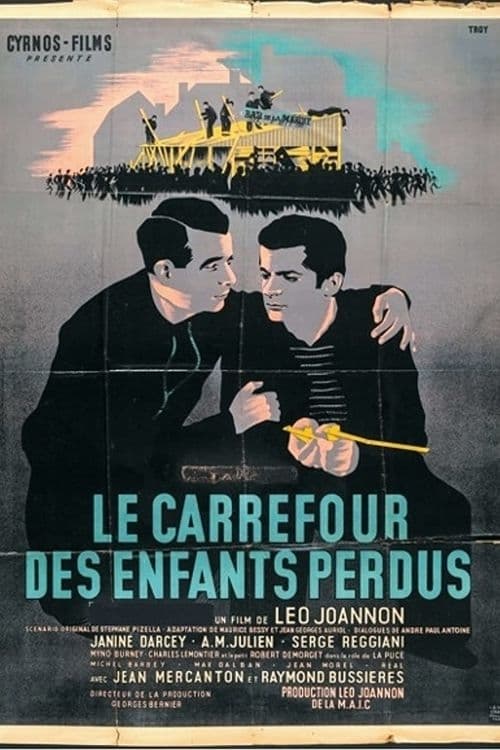
Children of Chaos
1944
No user ratings available yet
Representation score: 1.4 out of 10
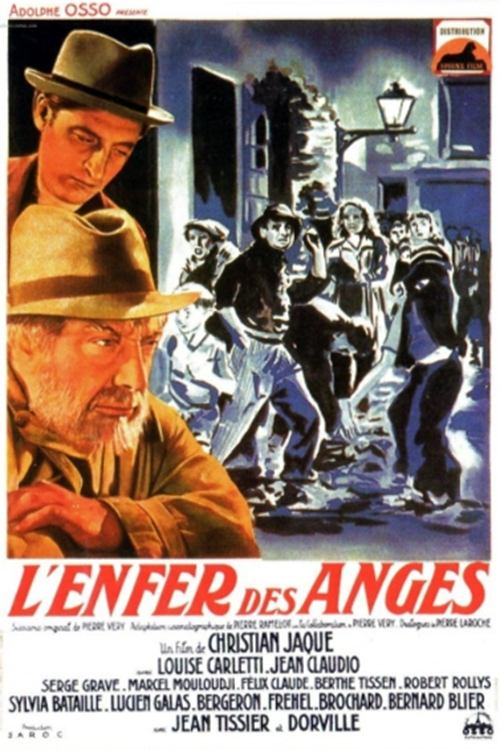
Representation Score
Limited
1941
Director
Christian-Jaque
Runtime
96 minutes
Average Rating
No ratings yetNew Showbiz Analysis
Hell of Angels is a traditional social drama focusing on the transition of underrepresented youth from neglect to a supervised domestic environment. While it addresses the issue of abandoned children, the narrative emphasizes reintegration into conventional social structures rather than challenging them. The film's representation is influenced by the historical and cinematic conventions of early 1940s European cinema. It adheres to classical storytelling that upholds traditional social hierarchies and family models. Ultimately, the film serves as a character study of social displacement but lacks the diversity or subversive elements needed to challenge standard demographic norms of the time.
Category Breakdown
The film does not include any LGBTQ+ identities or same-sex relationships. It focuses on traditional family units through adoption.
The story centers around a kind man who cares for abandoned children, highlighting traditional masculine roles as protectors and providers.
The film likely reflects the homogeneous demographics of 1941 France, with no indication of ethnic diversity or multicultural casting.
The story critiques societal instability and the breakdown of support systems, favoring traditional caretaking methods over institutional critique.
There is no information about the portrayal of physical disabilities, neurodivergence, or mental health conditions in this work.
Present on Screen
Limited or Absent
Official Synopsis
Abandoned children, left to their own devices and a life of danger, are adopted by a kind man.
1944
1946
1941

1948

1957
1938
1948
2002
No reviews yet. Be the first to share your thoughts on this movie!
Use the rating form above to leave a star rating and optional review.