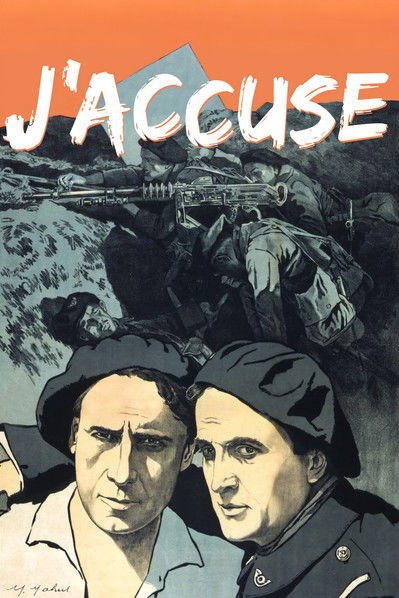
J'Accuse
1919
No user ratings available yet
Representation score: 3.7 out of 10

Representation Score
Limited
1914
Director
Alfred Machin
Runtime
50 minutes
Average Rating
No ratings yetNew Showbiz Analysis
Damn the War is a significant early example of pacifist cinema. While it lacks modern diversity in terms of race, gender, and sexuality, it challenges the nationalist fervor typical of 1914. The film's strength lies in its thematic focus on the human cost of war through personal intimacy. However, the production remains limited by the demographic homogeneity of its era, with little representation of diverse racial or identity-based groups.
Category Breakdown
The film centers on a heterosexual romance between a pilot and a woman. There are no characters with non-cisgender identities or same-sex relationships.
A female character serves as the emotional core of the story. While male pilots have significant influence, the plot's momentum depends on the romantic stakes involving the sister.
The cast reflects the homogeneous demographics typical of early 20th-century European cinema. There are no characters from diverse racial backgrounds.
The film strongly critiques militarism and nationalism, emphasizing the human cost of conflict over glorifying state-sanctioned violence.
There are no characters in the film who portray physical or neurodivergent disabilities.
Present on Screen
Limited or Absent
Official Synopsis
An army pilot is visiting the home of another army pilot in a neighboring country, and falling in love with his sister, when war breaks out.
1919
1925
1928
1927

1931
1930
1934

1932
No reviews yet. Be the first to share your thoughts on this movie!
Use the rating form above to leave a star rating and optional review.