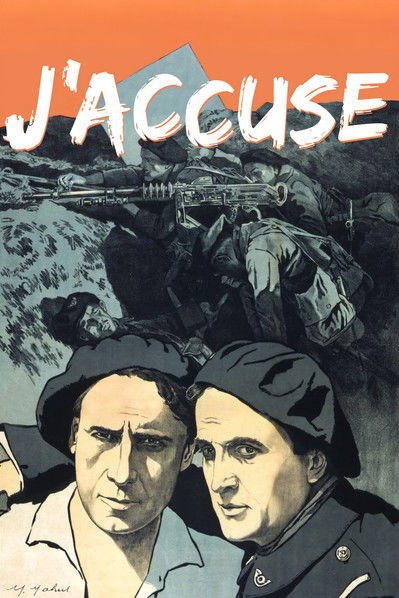
J'Accuse
1919
No user ratings available yet
Representation score: 3.7 out of 10
Representation Score
Limited
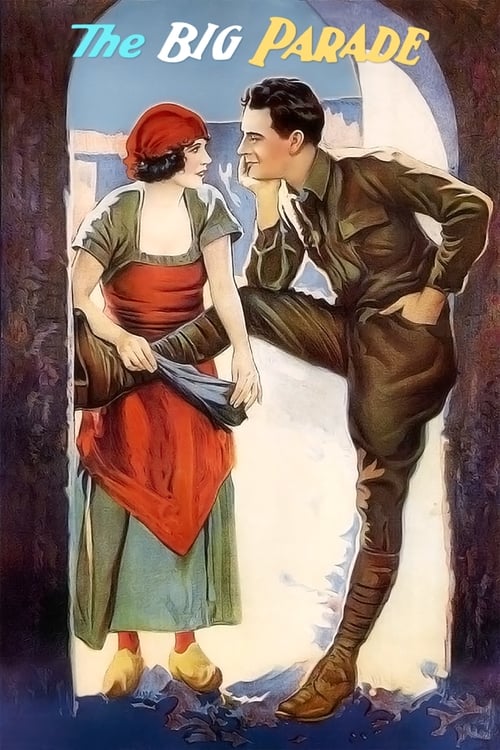
1925
NRDirector
King Vidor
Runtime
151 minutes
Average Rating
No ratings yetNew Showbiz Analysis
King Vidor’s masterpiece dismantles the romanticized myths of early 20th-century warfare, focusing instead on the human toll of conflict. However, the film adheres to the social and demographic norms of the 1920s, emphasizing traditional gender and racial roles. Its progressive value lies in its thematic critique of the heroic soldier archetype, using individual struggles to highlight the impersonal nature of large institutions.
Category Breakdown
The story follows a traditional romance between the main character and a female love interest, without any queer undertones.
The film upholds the gender roles typical of the 1920s era. Men are portrayed as physically strong, while women serve as emotional support or domestic motivators.
The film showcases a predominantly white, Anglo-Saxon infantry unit, with minimal multi-layered casting.
The film critiques the glorified notion of war by highlighting the senselessness and dehumanizing impact of industrial conflict.
Combat trauma and injuries are shown to highlight the horrors of war, but the film does not delve deeply into the experience of disability as a personal identity.
Present on Screen
Limited or Absent
Official Synopsis
The story of an idle rich boy who joins the US Army's Rainbow Division and is sent to France to fight in World War I, becomes friends with two working class men, experiences the horrors of trench warfare, and finds love with a French girl.
1919

1932

1928
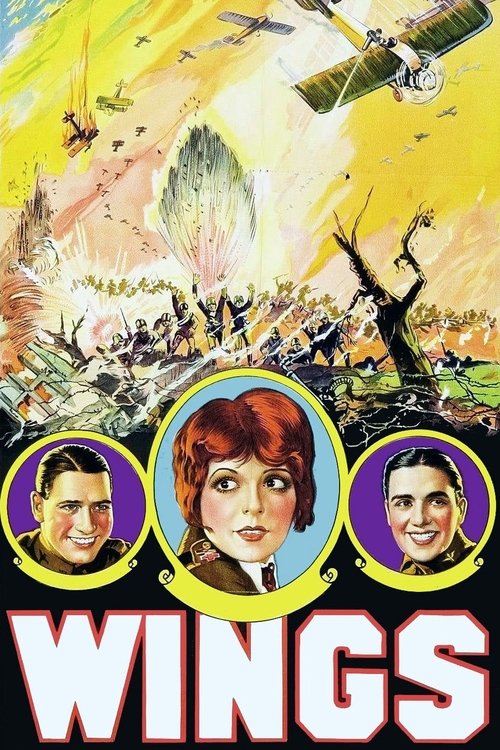
1927
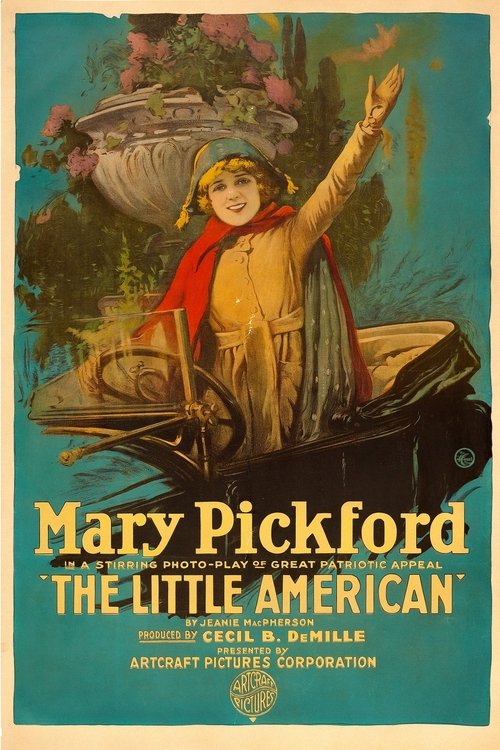
1917

1930
1936
1940
No reviews yet. Be the first to share your thoughts on this movie!
Use the rating form above to leave a star rating and optional review.