Port Arthur
1936
No user ratings available yet
Representation score: 3.1 out of 10
Representation Score
Fair
1934
Director
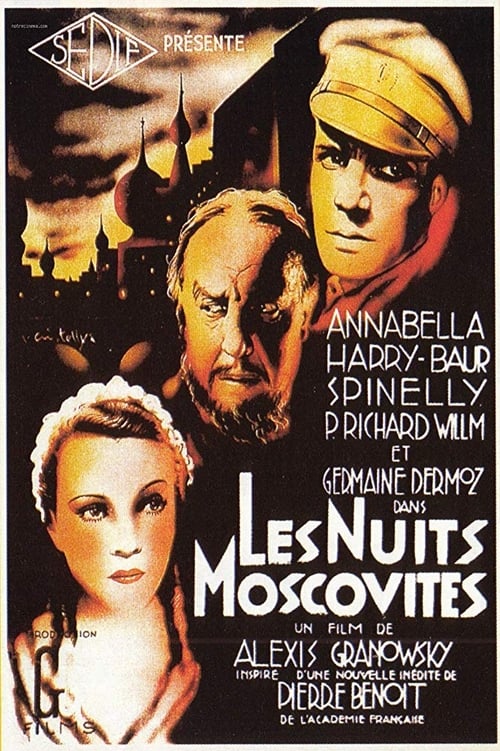
Alexis Granowsky
Runtime
95 minutes
Average Rating
No ratings yetNew Showbiz Analysis
Moscow Nights is a period drama that focuses on social critique rather than diverse representation. The film excels at deconstructing class hierarchies and the volatility of social structures during the First World War. It uses the friction between military officers and wealthy industrialists to challenge traditional economic stability. However, the film remains narrow in its demographic scope. The narrative is heavily anchored in traditional romance and social strata, offering little visibility for queer identities or racial diversity. While female characters like Madame Sabline break some passive clichés, the central plot remains tied to conventional gendered storytelling. Ultimately, the work is a study of systemic instability and class struggle. It provides a nuanced look at social mobility and corruption but lacks the breadth of representation found in more progressive modern cinema.
Category Breakdown
The film does not explicitly depict LGBTQ+ identities. The romantic tension revolves around a traditional courtship between a military officer and a nurse.
Natasha's storyline follows conventional romantic clichés, while Madame Sabline actively participates as a strategic benefactor, showing more ability to act than a passive character would.
The narrative reflects the demographic homogeneity of WWI-era Russia, emphasizing class distinctions between officers and industrialist peasants over ethnic diversity.
The film critiques established economic structures and social hierarchies. It challenges traditional stability by focusing on class resentment and the corruption of the industrialist class.
There is no evidence of visible or invisible disabilities portrayed within the narrative.
Present on Screen
Limited or Absent
Official Synopsis
During the First World War, the Russian officer Captain Ivan Ignatoff falls in love with his nurse, Natasha Kovrin. But she is subject to an upcoming marriage of family convenience to Brioukow, a wealthy industrialist of peasant stock. Brioukow is unjustifiably jealous, since Natasha has not betrayed him. He forces Ignatoff into his debt as a means of humiliating him. When Ignatoff's new friend, Madame Sabline, offers to pay his debt, preventing his ruin, Ignatoff comes quickly to realize that Madame Sabline has an ulterior motive, one that could prove dangerous to more lives than just Ignatoff's.
1936
1925
1931
1935
1930

1932
1934
1919
No reviews yet. Be the first to share your thoughts on this movie!
Use the rating form above to leave a star rating and optional review.