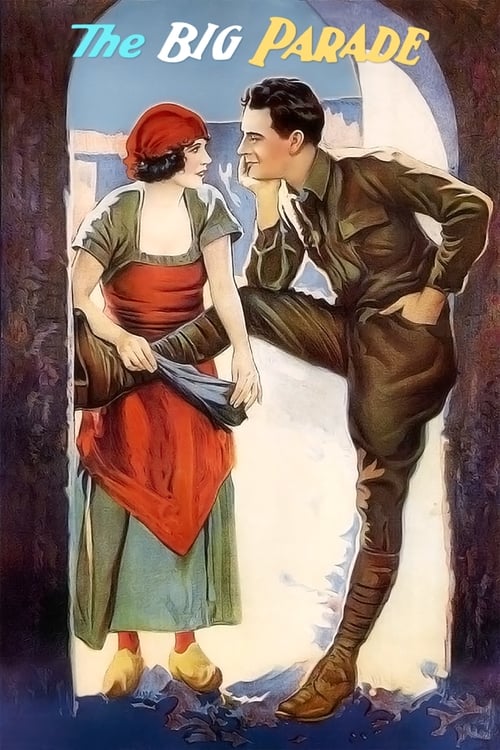
The Big Parade
1925
No user ratings available yet
Representation score: 3.0 out of 10
Representation Score
Limited
1919
NRDirector
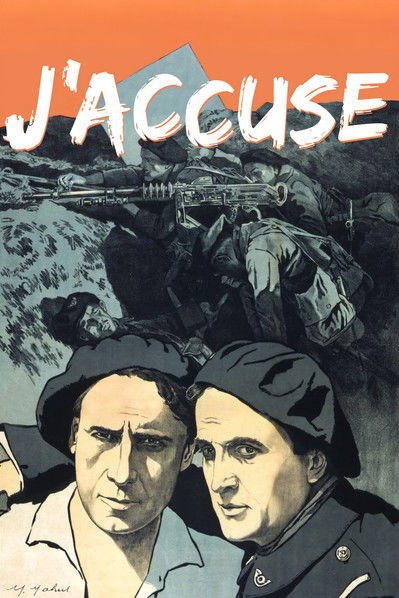
Abel Gance
Runtime
165 minutes
Average Rating
No ratings yetNew Showbiz Analysis
Abel Gance’s work is a profound critique of the romanticized myths of war. It challenges the institutional structures and nationalist fervor that enable mass slaughter, providing a powerful examination of Western military history. However, the film reflects its time period, lacking diversity in casting and character development. The narrative focuses heavily on the male experience of trauma and the domestic suffering of women. While it does not represent LGBTQ+ identities or racial diversity, it offers a significant, albeit tragic, look at the psychological devastation of combat.
Category Breakdown
The film does not depict any non-straight or non-cisgender identities, focusing solely on heterosexual relationships and traditional gender roles.
Women are shown primarily through their roles as mothers and wives, experiencing grief and loss. They serve as emotional anchors but have little influence over the events that unfold.
The cast is largely made up of actors representing the demographics of the French population during the early 20th century. There is no indication of diverse casting.
Gance critiques Western institutions and nationalist pride, highlighting the human cost of state-sponsored violence rather than glorifying it.
The film vividly portrays the psychological and physical trauma resulting from combat, emphasizing shell shock and broken spirits as wartime tragedies.
Present on Screen
Limited or Absent
Official Synopsis
The story of two men, one married, the other the lover of the other's wife, who meet in the trenches of the First World War, and how their tale becomes a microcosm for the horrors of war.
1925

1932

1914
1959
1928
1959
1976
1927
No reviews yet. Be the first to share your thoughts on this movie!
Use the rating form above to leave a star rating and optional review.