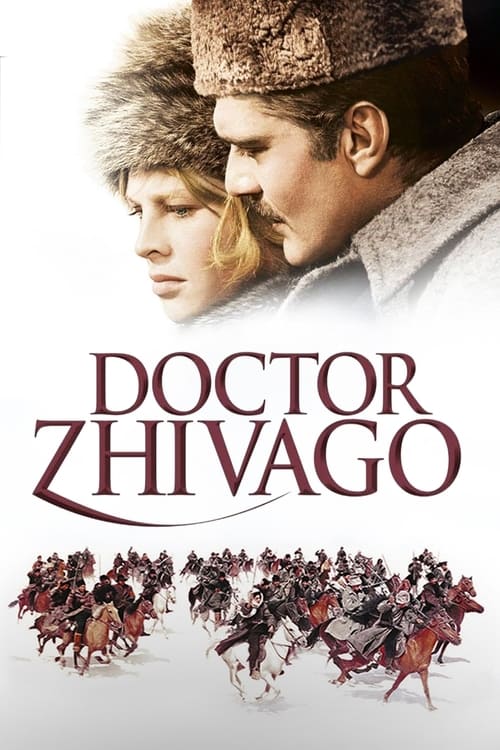
Doctor Zhivago
1965
No user ratings available yet
Representation score: 3.2 out of 10

Representation Score
Limited
1932
NRDirector
Frank Borzage
Runtime
89 minutes
Average Rating
No ratings yetNew Showbiz Analysis
Frank Borzage's romantic tragedy operates within the social frameworks of the early 20th century. While the film provides a sophisticated critique of the chaos and irrationality of war, it avoids challenging systemic power structures. The narrative emphasizes classical romanticism over the subversion of identity-based hierarchies. It functions as a period-specific drama that aligns with the demographics of 1932. Ultimately, the film's strength lies in its humanistic portrayal of conflict, but it remains constrained by its traditional approach to gender, race, and social structure.
Category Breakdown
The film centers on a heterosexual relationship between the main characters. There is no representation of same-sex relationships or non-cisgender identities.
Gender roles adhere to traditional structures. The male character leads the military actions, while the female character's role revolves around emotional support and caregiving.
The cast is predominantly white and reflects the historical context of the time. The story maintains a strictly European perspective of the conflict.
The story critiques the absurdity of war and military machinery. However, this critique is centered around personal tragedy rather than a systemic or ideological critique.
Characters with disabilities are used as narrative devices to emphasize the tragedy of war. These characters lack independent ability to act or perspectives based on their experiences.
Present on Screen
Limited or Absent
Official Synopsis
A tale of the World War I love affair, begun in Italy, between American ambulance driver Lt. Frederic Henry and British nurse Catherine Barkley. Eventually separated by Frederic's transfer, tremendous challenges and difficult decisions face each as the war rages on.
1965
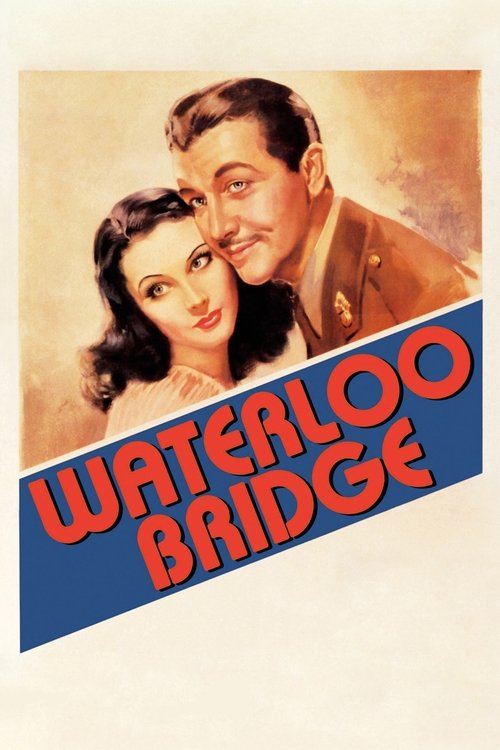
1940
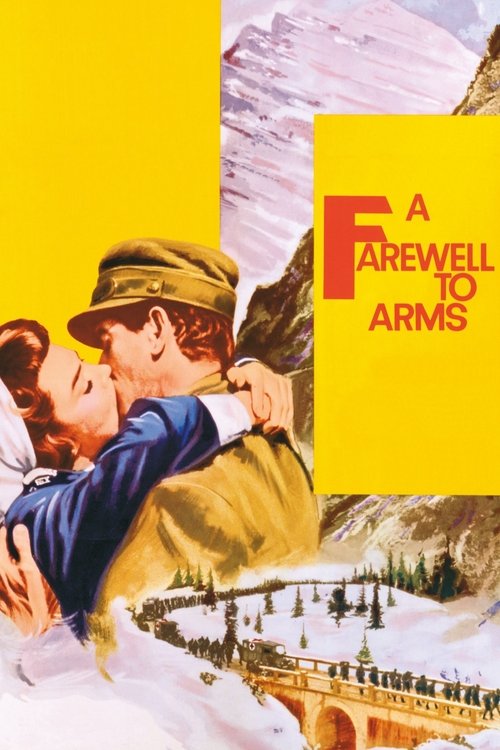
1957

1942

2001
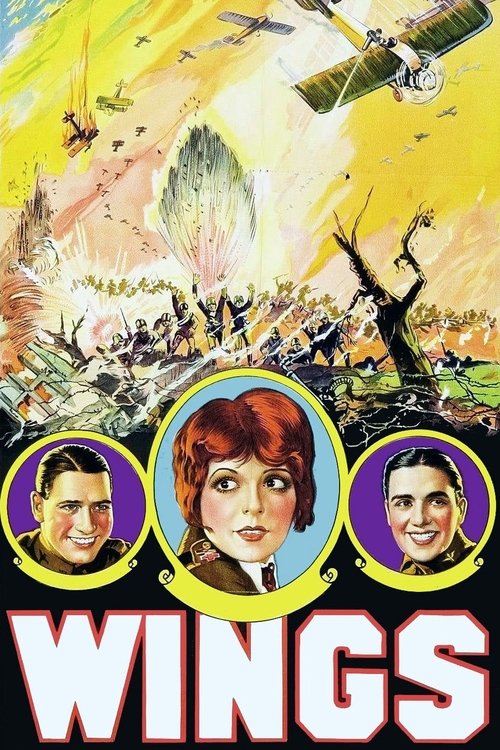
1927
2015

1953
No reviews yet. Be the first to share your thoughts on this movie!
Use the rating form above to leave a star rating and optional review.