
The Alley
1981
No user ratings available yet
Representation score: 5.6 out of 10
Representation Score
Fair
1990
PG-13Director
James F. Collier
Runtime
101 minutes
Average Rating
No ratings yetNew Showbiz Analysis
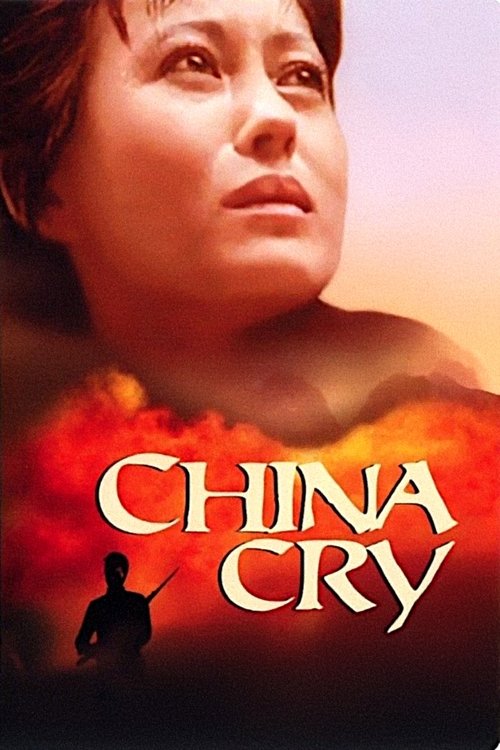
China Cry succeeds as a historical drama by focusing on the experiences of a Chinese family during political upheaval. It avoids common Western storytelling pitfalls by letting its characters of color drive the emotional and political stakes of the story. The film's strength lies in its nuanced critique of institutional power and systemic failure. By highlighting the human cost of economic hardship and authoritarianism, it provides a complex view of cultural transformation. However, the film lacks diversity in terms of LGBTQ+ and disability representation. While the female lead shows intellectual independence, the narrative remains centered on domestic and family life.
Category Breakdown
The film does not include any LGBTQ+ characters or explore non-straight relationships. The story focuses on family and survival.
The female lead evolves from a passive participant to a critical observer, showing cognitive independence. However, the narrative stays focused on domestic and family life.
The film centers a Chinese cultural context with a predominantly non-Western cast. It avoids the 'outsider looking in' cliché by giving significant roles to characters of color.
The film offers a sophisticated look at Maoist-era society by portraying state authorities as oppressive forces rather than idealistic figures.
There is no representation of physical or neurological disabilities in the film.
Present on Screen
Limited or Absent
Official Synopsis
Young Sung Neng Yee, who is brought as part of a wealthy Chinese family. She is eager to become part of Mao Tze Tung's "new society", but soon becomes disenchanted by the economic misery the changes bring to her family. Before long, the authorities become aware of Neng Yee's feelings and she is taken to a labour camp, overseen by the sadistic Colonel Cheng.
1981

1994

2010

2002
1984
1982
1994
2002
No reviews yet. Be the first to share your thoughts on this movie!
Use the rating form above to leave a star rating and optional review.