
The Claim
2000
No user ratings available yet
Representation score: 3.4 out of 10
Representation Score
Good
1991
PG-13Director
Nancy Kelly
Runtime
105 minutes
Average Rating
No ratings yetNew Showbiz Analysis
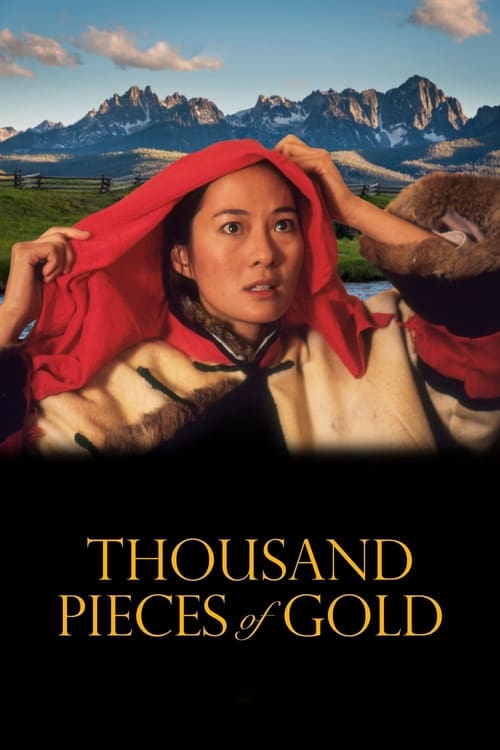
Thousand Pieces of Gold serves as a corrective to the traditional Western genre. By centering a Chinese woman’s struggle for autonomy in an Idaho mining town, the film disrupts conventional expectations of the American frontier. The narrative successfully shifts power dynamics, moving away from the 'civilizing' myth of the West toward a nuanced exploration of systemic displacement. While the film excels in racial and gendered ability to act, it lacks representation in other key areas, focusing primarily on the protagonist's survival against a hostile, foreign culture.
Category Breakdown
The film does not include any visible evidence of LGBTQ+ identities or subtext. It focuses on heterosexual relationships and survival.
Lalu challenges traditional gender roles by refusing to become a saloon entertainer. She demonstrates significant control over her own life and decisions, showing moral autonomy.
The film centers on a Chinese immigrant protagonist within a Western setting. This shifts the perspective of the 'other,' framing white settlers as 'demons.'
The story critiques Western institutions, portraying the capitalist frontier as predatory. It prioritizes the perspective of those underrepresented by expansionist ideals.
There is no evidence regarding the depiction of physical or neurodivergent disabilities in this work.
Present on Screen
Limited or Absent
Official Synopsis
In 1880s China, young Lalu is sold into marriage by her impoverished father. Rather than becoming a bride, Lalu ends up in an Idaho gold-mining town, the property of a saloon owner who renames her, China Polly, and plans to sell her as entertainment for the locals. Refusing to become a whore, Lalu ultimately finds her own way in this strange country filled with white demons.
2000

1919
1910
2001

2017

1920
1981

1993
No reviews yet. Be the first to share your thoughts on this movie!
Use the rating form above to leave a star rating and optional review.