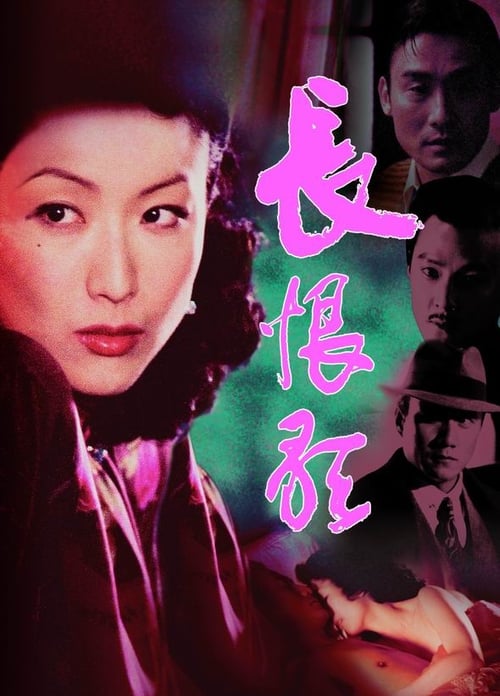
Everlasting Regret
2005
No user ratings available yet
Representation score: 6.2 out of 10
Representation Score
Good
1991
NRDirector
Stanley Kwan Kam-Pang
Runtime
155 minutes
Average Rating
No ratings yetNew Showbiz Analysis
Stanley Kwan’s biographical drama is a significant work of historical revisionism that challenges Western-centric cinematic histories. By focusing on a female icon navigating systemic oppression, the film disrupts traditional narratives of power and control. The film stands out in its authentic portrayal of Chinese identity and its critique of patriarchal social hierarchies. It moves beyond simple morality to explore the complexities of a woman's life during a period of intense geopolitical change. While the film lacks explicit LGBTQ+ identities and disability representation, its nuanced exploration of gendered performance and cultural authenticity provides a deeply sophisticated viewing experience.
Category Breakdown
The film delves into themes of desire and identity that go beyond strict assumptions about relationships. Although specific LGBTQ+ identities are not the main focus, the movie offers a thoughtful look at emotional vulnerability.
This drama is a deep exploration of a woman's ability to shape her own story within a male-dominated society. It highlights her professional growth while criticizing the systemic pressures she faces.
Set in 1930s Shanghai, the film provides a rich, non-Western perspective on cinematic history. It focuses on a Chinese protagonist and avoids the Western viewpoint to offer an authentic portrayal of East Asian identity.
The narrative challenges the idea of a perfect woman by showing a complex, humanized character navigating a changing social order. It critiques the pressures from media and family institutions.
There is no significant evidence regarding the portrayal of physical or neurodivergent disabilities within the film's narrative.
Present on Screen
Limited or Absent
Official Synopsis
Based on the tragic true story of China's first prima donna of the silver screen, Ruan Lingyu, chronicling her rise to fame as a movie actress in Shanghai during the 1930s.
2005

1939
2007
1932
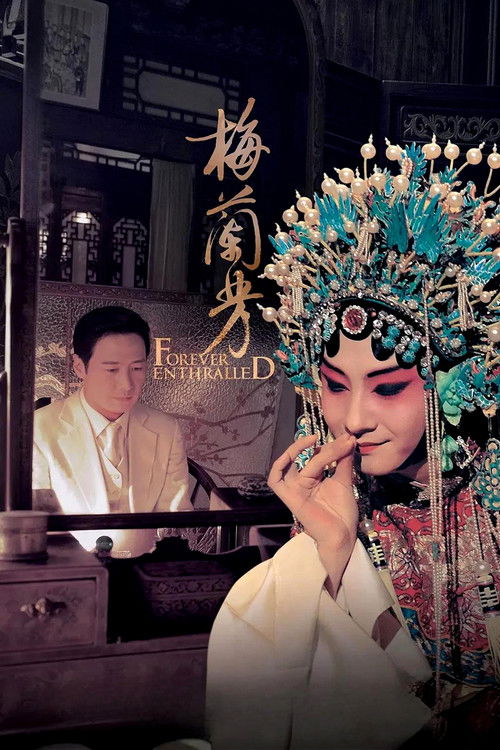
2008
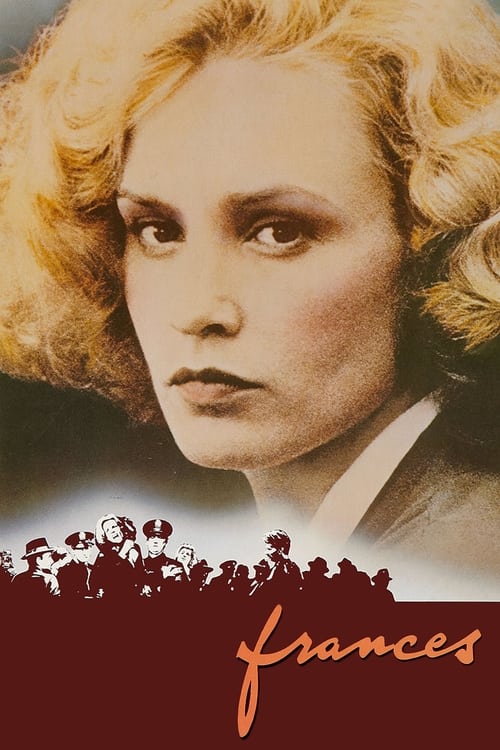
1982
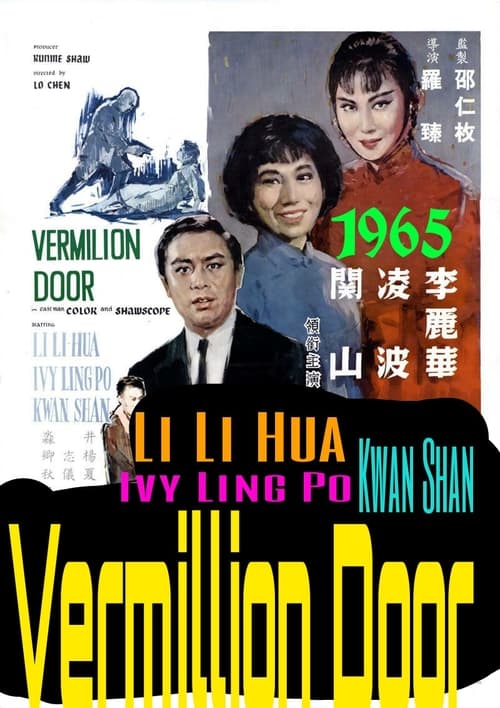
1965
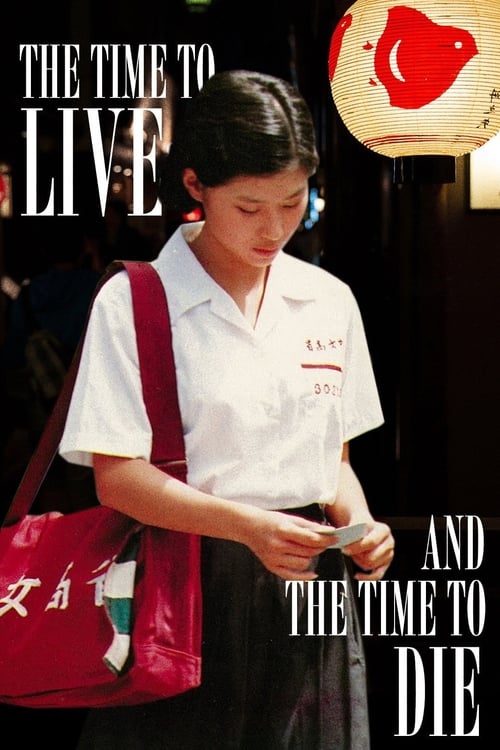
1985
No reviews yet. Be the first to share your thoughts on this movie!
Use the rating form above to leave a star rating and optional review.