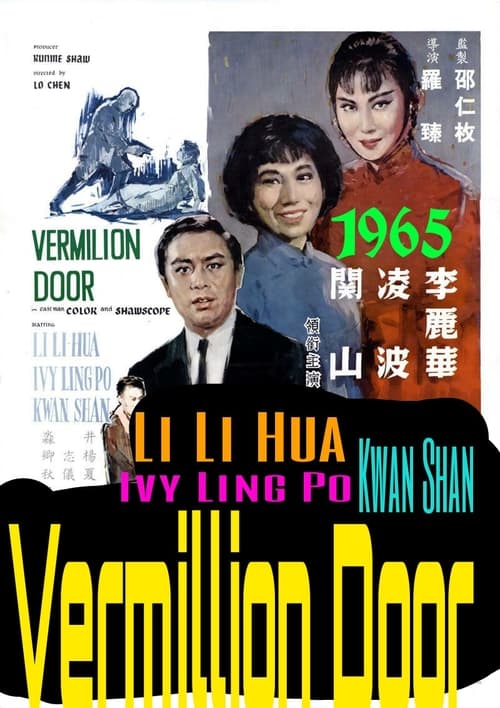
Vermilion Door
1965
No user ratings available yet
Representation score: 3.8 out of 10
Representation Score
Limited
1990
Director
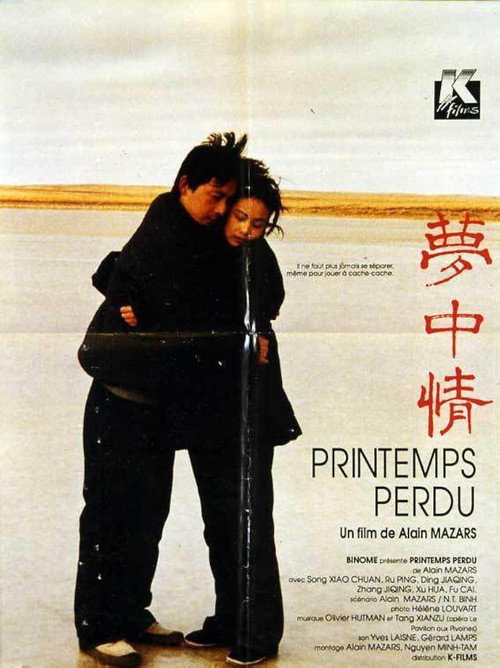
Alain Mazars
Runtime
89 minutes
Average Rating
No ratings yetNew Showbiz Analysis
Lost Springtime is a period drama that excels in its historical and cultural context. By centering on a Soochow Opera performer displaced by the Cultural Revolution, the film offers a meaningful exploration of how political upheaval affects traditional artistry. The narrative effectively examines the shift from high-culture mastery to proletarian labor in Inner Mongolia, providing a deep, non-Western perspective on identity and class. However, the film lacks breadth in representing various aspects of diversity, focusing primarily on the protagonist's cultural and political displacement.
Category Breakdown
The film does not include any non-straight identities or same-sex relationships. It also does not criticize the assumption that everyone is straight.
The story focuses on the protagonist, Yan Yuejun, and does not provide any information about female characters who have significant roles or challenge gender hierarchies.
The film features an East Asian protagonist and showcases Chinese traditions such as Soochow Opera. The Inner Mongolia setting highlights a non-Western, non-Anglo-Saxon cultural environment.
The narrative criticizes institutional power by showing how a political regime displaces an artist. It delves into class struggle and the systemic erasure of cultural heritage.
There is no mention of physical disabilities, neurodivergence, or mental health conditions in the story.
Present on Screen
Limited or Absent
Official Synopsis
Chinese opera, whether of the Peking variety or not, is a very demanding art-form, requiring decades of study to be even partly mastered. In this film, Yan Yuejun was a Soochow Opera performer who fell afoul of the Cultural Revolution in the 1960s, and who has served his time undergoing compulsory "re-education." Now he is living in Inner Mongolia, driving a truck for a living, which is surely proletarian enough to suit his earlier tormentors.
1965

1994
1981
2010
1984
2009
2000
1994
No reviews yet. Be the first to share your thoughts on this movie!
Use the rating form above to leave a star rating and optional review.