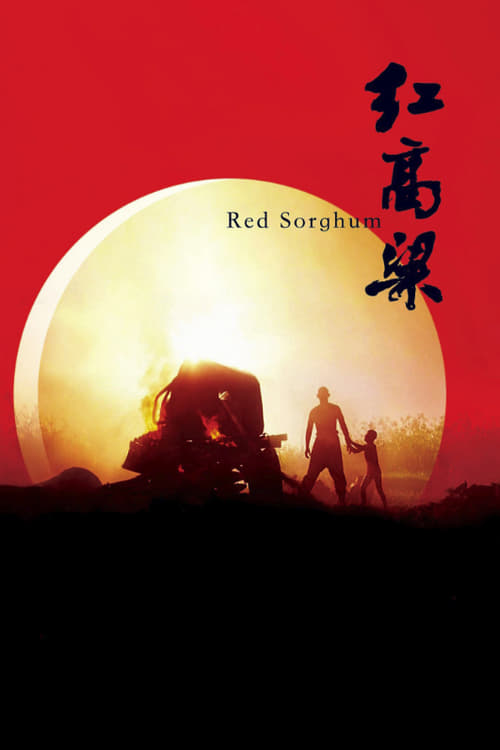
Red Sorghum
1988
No user ratings available yet
Representation score: 6.7 out of 10
Representation Score
Good
1994
Not RatedDirector
Zhang Yimou
Runtime
133 minutes
Average Rating
No ratings yetNew Showbiz Analysis
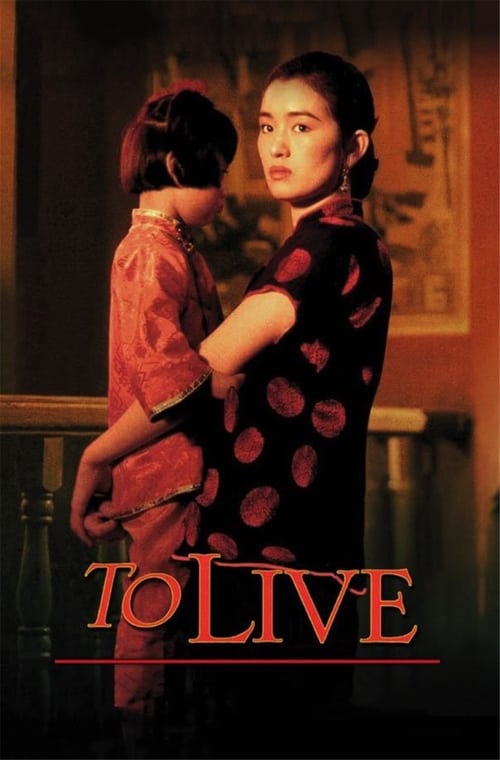
To Live is a profound meditation on human endurance amidst systemic volatility. It succeeds by centering the authentic, non-Western experience of the Chinese peasantry, using historical shifts to explore identity through class rather than racialized clichés. The film's strength lies in its nuanced portrayal of gender and its critique of institutional power. Jiazhen’s quiet strength provides a necessary counterpoint to the male protagonist's struggle with lost status, offering a sophisticated look at women's ability to drive the story within a patriarchal setting. However, the film remains strictly oriented toward straight relationships, offering no representation of LGBTQ+ identities. While it captures the physical toll of political violence, it lacks specific focus on disability representation, treating vulnerability as a byproduct of environment rather than a central character trait.
Category Breakdown
The film adheres to a traditional framework that assumes everyone is straight and cisgender. There are no depictions of diverse sexual orientations or same-sex relationships.
Jiazhen serves as the family's psychological and operational anchor, challenging traditional patriarchal structures. Her resilience often surpasses the male protagonist's role during times of instability.
The cast is culturally homogeneous, focusing on the lived experiences of the Chinese peasantry. It avoids Western-centric perspectives by exploring identity through class and political affiliation.
The narrative offers a sophisticated critique of state-mandated collectivism and political purges. It portrays the tension between traditional social orders and destructive state ideologies.
The film does not center on characters with disabilities. Instead, physical vulnerabilities and trauma are depicted as direct consequences of the era's socio-political upheavals.
Present on Screen
Limited or Absent
Official Synopsis
Married couple Fugui and Jiazhen endure tumultuous events in mid-20th century mainland China as their personal fortunes move from wealthy landownership to peasantry.
1988

1957

1958

1993

1959
1995

2014

1965
No reviews yet. Be the first to share your thoughts on this movie!
Use the rating form above to leave a star rating and optional review.