Sunflower
2005
No user ratings available yet
Representation score: 7.7 out of 10
Representation Score
Fair
1982
Not RatedDirector
Xie Jin
Runtime
103 minutes
Average Rating
No ratings yetNew Showbiz Analysis
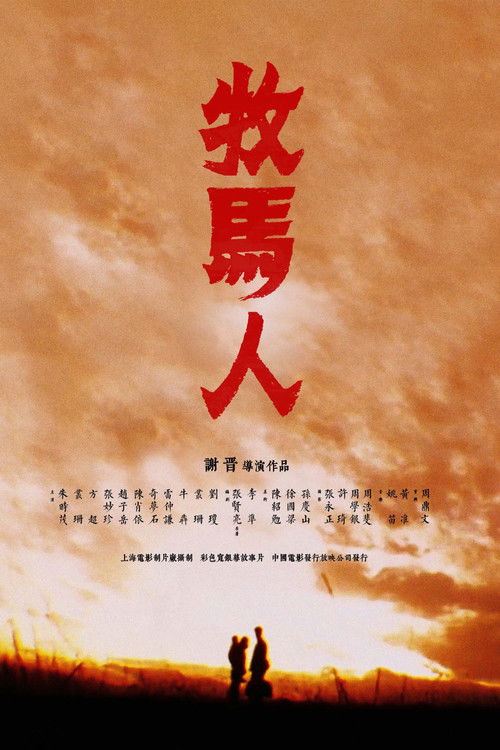
The Herdsman is a nuanced exploration of individual integrity in the face of systemic political upheaval. It stands out by dismantling monolithic authority and focusing on the complexities of human morality over rigid state structures. Although the film lacks representation for LGBTQ+ identities or disabilities, it offers a deep look at class and ethnic identity. It avoids a globalized perspective by grounding the story in the authentic socioeconomic realities of rural China. The film's strength lies in its ability to use the protagonist's struggles to critique historical trauma and institutional excesses through a deeply human lens.
Category Breakdown
The film does not include any LGBTQ+ characters or explore non-straight relationships. The main romantic storyline revolves around a traditional marriage between the protagonist and Xiuzhi.
Xiuzhi plays a crucial role in maintaining the family's moral compass despite the political and economic instability of the time. She provides a strong emotional and intellectual presence.
The film focuses on the lives of Chinese peasants and the unique characteristics of the grasslands. It avoids Western-centric norms by emphasizing authentic ethnic identity and local realities.
The story critiques political radicalism and institutional power. It highlights the contrast between state-mandated beliefs and personal integrity, duty, and survival.
There are no prominent depictions of physical or neurodivergent disabilities that significantly impact the narrative.
Present on Screen
Limited or Absent
Official Synopsis
In 1980, Xu Jingshan, a wealthy Chinese-American businessman returns to China to find his son, Xu Lingjun, whom he had abandoned over 30 years earlier. Labeled a rightist because of his capitalist father, Lingjun has been forced to live as a humble herdsman on the grasslands. His bitter life has been transformed by a happy marriage to the wise and beautiful Xiuzhi, and more recently by his rehabilitation by the Party. When he goes to Beijing for their reunion, he discovers his father wants him to work for his chemical company in San Francisco. Lingjun tells the story of his life to his father, as he ponders his future.
2005

1994
1984
2010
1999

1995
1967

2014
No reviews yet. Be the first to share your thoughts on this movie!
Use the rating form above to leave a star rating and optional review.