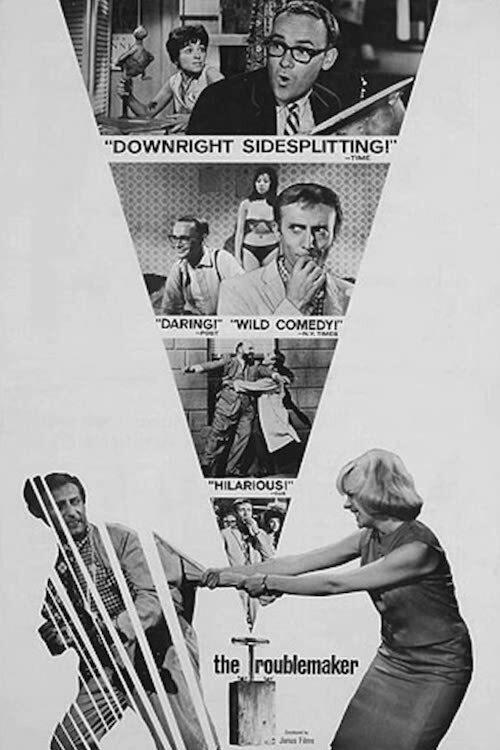
The Troublemaker
1964
No user ratings available yet
Representation score: 4.2 out of 10
Representation Score
Fair
1963
GPDirector
Doran William Cannon
Runtime
80 minutes
Average Rating
No ratings yetNew Showbiz Analysis
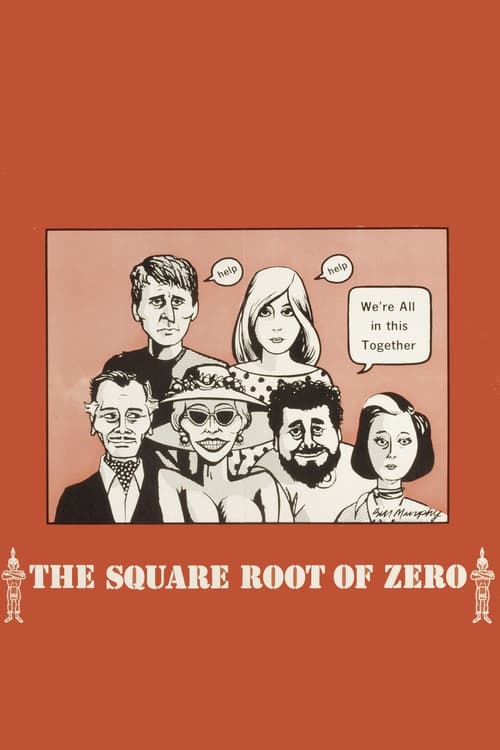
Square Root of Zero is a period-specific social comedy that explores the tension between emerging youth subcultures and traditional societal norms. While it engages with the cultural friction of the 1960s, the film's focus remains narrow. The narrative prioritizes the clash of lifestyles—specifically the beatnik versus the 'moneyed square'—over the representation of diverse identities. This emphasis on socioeconomic and generational conflict prevents a deeper exploration of race, gender, or sexual orientation. Ultimately, the film functions as a comedic look at social status rather than a vehicle for empowering underrepresented groups or critiquing social systems.
Category Breakdown
The film does not include explicit LGBTQ+ characters or narratives. It focuses on the social friction between beatniks and squares, which usually centers on straight relationships.
The story prioritizes social class and lifestyle over gender issues. It does not subvert traditional masculine leadership or give women significant control over the plot.
The cast likely reflects the homogeneous demographics of 1963. The central conflict is framed through socioeconomic differences rather than racial or ethnic diversity.
The narrative mildly critiques social hierarchies by contrasting non-conformist beatniks with traditional wealthy squares. This remains a comedic exploration of lifestyle rather than a deep critique of social systems.
There is no evidence of characters with disabilities being portrayed with real influence. In this era, such roles were often limited to minor roles.
Present on Screen
Limited or Absent
Official Synopsis
A pair of Village beatniks goes up against a clan of moneyed squares vacationing on the Maine coast.
1964
1969

1964
1959
1971

1987

1982
1969
No reviews yet. Be the first to share your thoughts on this movie!
Use the rating form above to leave a star rating and optional review.