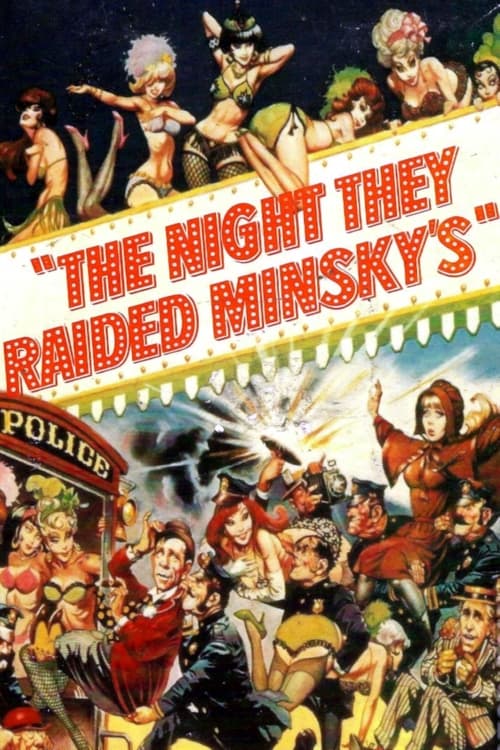
The Night They Raided Minsky's
1968
No user ratings available yet
Diversity score: 3.0 out of 10

1963
ApprovedDirector
Henry Koster
Runtime
98 minutes
Average Rating
No ratings yetSynopsis
After reluctantly packing up his daughter, Mollie, and sending her away to study art at a Paris college, Frank Michaelson gives new meaning to the term "concerned parent." Reading Mollie's letters describing her counter-culture experiences and beatnik friends, Frank eventually grows so paranoid that he boards a plane to Paris to see firsthand the kind of lessons his daughter is learning with her new artist amour.
Overall Score
Limited
Category Breakdown
LGBTQ+ Representation
The film operates within a strictly heteronormative framework. The plot centers on a heterosexual romance between the daughter and her artist amour, with no visible same-sex intimacy.
Gender Representation
The story is driven by paternal anxiety and authority. While Mollie's independence sparks the plot, the narrative remains centered on the father's perspective and his desire to control her development.
Racial & Ethnic Diversity
Despite the Parisian setting, the conflict feels like a domestic Western clash. The film appears to follow the homogeneous casting norms typical of the early 1960s.
Religious & Cultural Diversity
The film uses the 'beatnik' movement as a comedic device for generational friction. It explores the tension between traditional American values and emerging counter-cultures without deep systemic critique.
Disability Representation
There is no mention of characters with visible or invisible disabilities within the narrative.
Strengths
Areas for Improvement
AI Analysis
This 1963 comedy serves as a time capsule of mid-century social mores. It focuses heavily on the generational divide between a traditional father and his daughter's burgeoning counter-culture lifestyle in Paris. The film prioritizes paternal authority and traditional family hierarchies. While it touches on the era's shifting social landscape through the lens of the beatnik movement, it does so primarily for comedic effect rather than social commentary. Ultimately, the production reflects the conventional storytelling patterns of its time, offering limited representation of diverse identities or non-traditional social structures.
1968
1964

2015
1973
1987
1966
1972
1976

1970
1956

1989
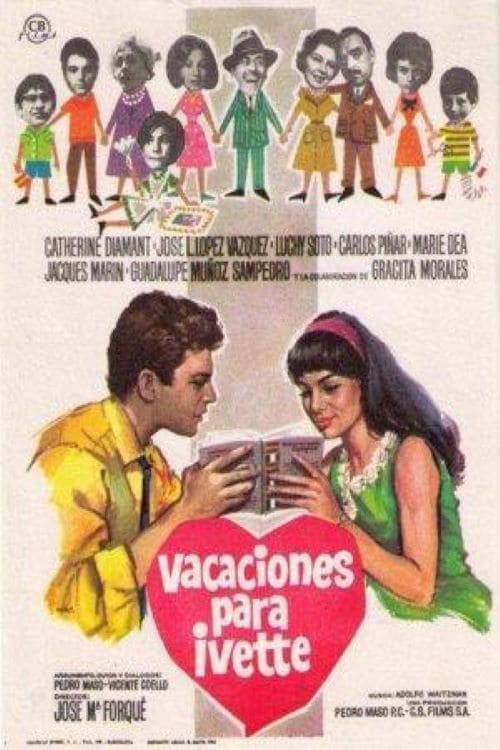
1964
No reviews yet. Be the first to share your thoughts on this movie!
Use the rating form above to leave a star rating and optional review.