
Los padrinos
1973
No user ratings available yet
Representation score: 1.3 out of 10
Representation Score
Limited
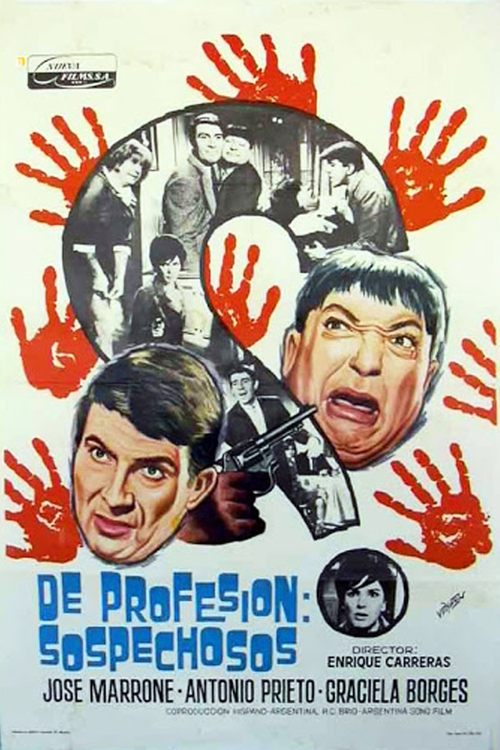
1966
18Director
Enrique Carreras
Average Rating
No ratings yetNew Showbiz Analysis
Enrique Carreras' film reflects the specific historical and regional context of 1966. The narrative structure prioritizes conventional comedic structures over disrupting social hierarchies, mirroring the systemic constraints of the time. The film lacks complexity in addressing multiple aspects of identity, relying instead on the established genre frameworks of the mid-20th century. It does not challenge religious, capitalist, or gender norms, opting for a traditional approach to storytelling. Ultimately, the production reflects the demographic and social homogeneity common to the Spanish and Argentine film industries of the time, offering little in the way of progressive representation.
Category Breakdown
The film does not depict any non-cisgender identities or same-sex relationships. It follows the strict heterosexual norms typical of 1966 cinema.
Gender roles adhere to traditional hierarchies without challenging established clichés. The narrative lacks motifs of female intellectual superiority or gendered farce.
Casting likely reflects the demographic homogeneity of Mediterranean and Latin American cinema from this era. There is no indication of diverse or non-white majority casts.
The comedy emphasizes social cohesion rather than critiquing Western institutions. It aligns with traditional social values and the moral consensus of the mid-1960s.
Characters with disabilities lack narrative ability to act or central identity. If present, disability likely serves as a peripheral plot device rather than a source of character depth.
Present on Screen
Limited or Absent
1973
1982
1966
1983

1971
1960
1966
1968
No reviews yet. Be the first to share your thoughts on this movie!
Use the rating form above to leave a star rating and optional review.