Totò Story
1968
No user ratings available yet
Diversity score: 2.8 out of 10
1970
RDirector
Rod Amateau
Runtime
100 minutes
Average Rating
No ratings yetSynopsis
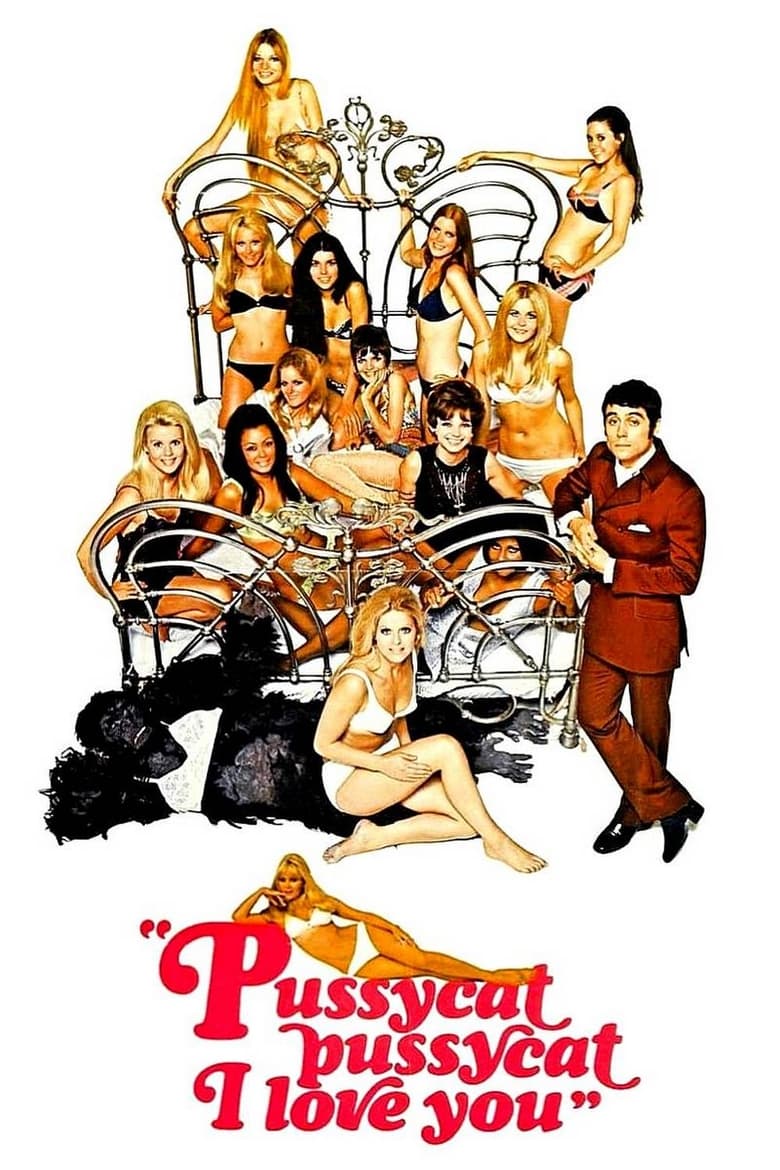
An American playwright living in Rome consults a quack psychiatrist to combat his fears of balding and save his failing marriage.
Overall Score
Limited
Category Breakdown
LGBTQ+ Representation
The film lacks evidence of non-cisnormative identities or narratives that critique heteronormativity. The central conflict regarding a failing marriage implies a traditional heteronormative framework.
Gender Representation
The story centers on a male protagonist's personal anxieties and his marriage. There is no indication that the film subverts gender hierarchies or empowers female agency.
Racial & Ethnic Diversity
Set in Rome with an American expatriate, the narrative focuses on Western, white-centric social anxieties. There is no evidence of a diverse or non-Anglo-Saxon majority cast.
Religious & Cultural Diversity
The film explores psychological instability and marital dysfunction through satire. It prioritizes individual psychological struggles over systemic critiques of religion or broader socio-political frameworks.
Disability Representation
The protagonist's interaction with a psychiatrist suggests a focus on mental health. However, it is unclear if this provides agency or functions merely as a comedic trope.
Strengths
Areas for Improvement
AI Analysis
Pussycat, Pussycat, I Love You operates within a traditional 1970s comedic framework. The narrative focuses on individualistic, Western-centric anxieties, specifically mid-life neuroses and marital instability within an American expatriate's life in Rome. The film lacks the structural elements necessary for progressive representation. It does not actively deconstruct systemic hierarchies or offer intersectional agency, instead centering on conventional gendered archetypes and traditional social structures. Ultimately, the work functions as a character-driven comedy about personal vanity and psychological wellness rather than a tool for social or cultural subversion.
1968
1980

1982
1981
1971

1946
1976
1983
1974
1975
1958
1967
No reviews yet. Be the first to share your thoughts on this movie!
Use the rating form above to leave a star rating and optional review.