
Adventures of a Dentist
1967
No user ratings available yet
Diversity score: 3.7 out of 10
1969
PGDirector
Garson Kanin
Runtime
89 minutes
Average Rating
No ratings yetSynopsis
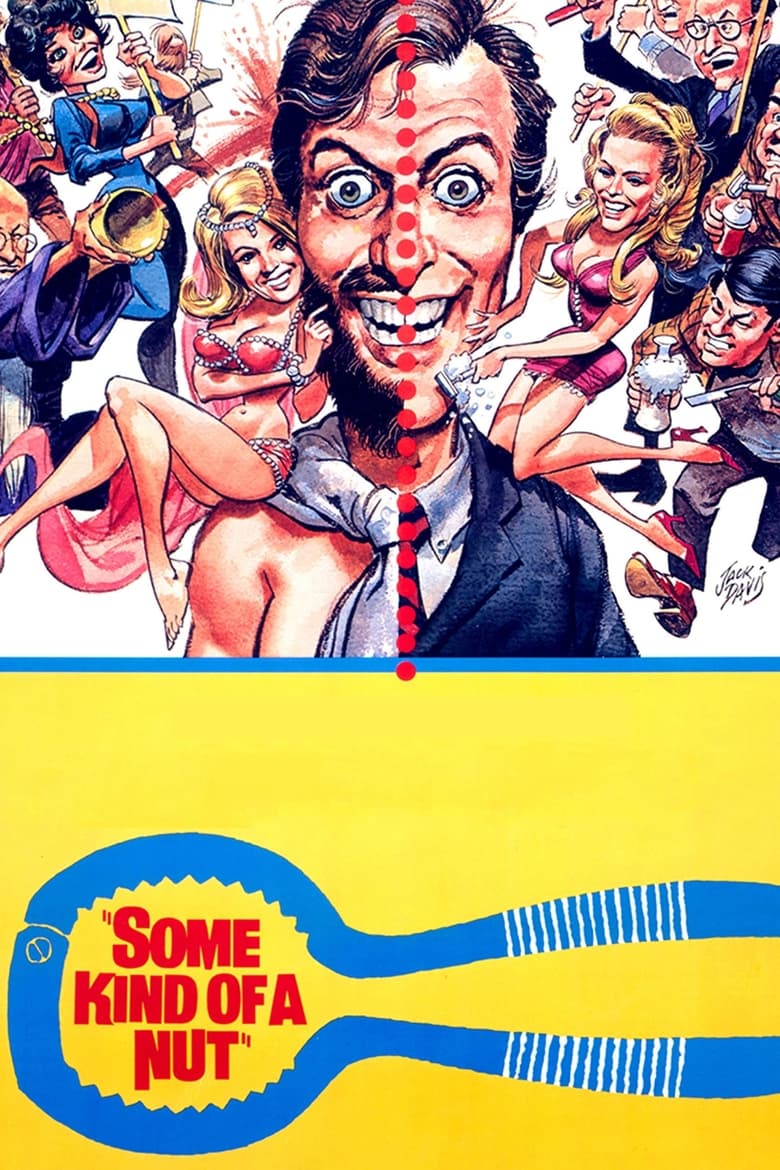
A New York City bank teller becomes a media celebrity when he refuses to comply with his employer's demands that he shave his beard.
Overall Score
Fair
Category Breakdown
LGBTQ+ Representation
The film focuses on heteronormative romantic structures, specifically a divorce and a new engagement. No queer identities or subtext are present in the narrative.
Gender Representation
The story centers on a male protagonist's journey toward self-actualization. Female characters primarily serve as catalysts for his emotional state or as voices of conformity.
Racial & Ethnic Diversity
The film features a predominantly white, Anglo-Saxon cast within a Manhattan setting. There is no evidence of intersectional casting or a diverse ethnic ensemble.
Religious & Cultural Diversity
The narrative engages with shifting cultural values by portraying a rejection of institutional authority. It includes hippies and jazz musicians as part of a counterculture movement.
Disability Representation
A bee sting serves as a situational driver for the plot. The film uses this physical ailment as a comedic device rather than exploring lived disability experiences.
Strengths
Areas for Improvement
AI Analysis
Some Kind of a Nut captures the friction between mid-century institutionalism and the burgeoning 1960s counterculture. Its strength lies in its critique of corporate rigidity and its sympathetic portrayal of anti-establishment groups like hippies and jazz musicians. However, the film remains anchored in traditional storytelling. It relies on heteronormative romantic arcs and a predominantly white cast, offering little in the way of intersectional or queer representation. Ultimately, the film functions as a study of individual agency against systemic expectations rather than a diverse exploration of identity.
1967

1963
1987

1980
1977
1975
1968
1969
1970

1976

1946
1958
No reviews yet. Be the first to share your thoughts on this movie!
Use the rating form above to leave a star rating and optional review.