
Roundhay Garden Scene
1888
No user ratings available yet
Representation score: 0.4 out of 10
Representation Score
Minimal
1887
Director
Louis Aimé Augustin Le Prince
Runtime
1 minutes
Average Rating
No ratings yetNew Showbiz Analysis
As a proto-cinematic experiment from 1887, this film prioritizes technical innovation over narrative depth. Its primary purpose is to demonstrate motion through Le Prince's 16-lens camera, rather than exploring human identity or social dynamics. Because the footage is a brief documentary fragment of a single man walking, it lacks the structural capacity for character development. This absence of complexity results in a score that reflects a lack of representation rather than a specific intent to exclude. Ultimately, the work exists outside the framework of sociopolitical storytelling, serving as a scientific milestone that predates modern cinematic themes and characters who reflect more than one aspect of diversity.
Category Breakdown
The film features a single subject without any dialogue or romantic subtext to indicate LGBTQ identity.
The footage centers on a single male subject and does not provide female characters with significant roles or challenge traditional masculine roles.
The film depicts a single individual in a 19th-century British setting and does not include a diverse cast or blend of racial identities.
This work focuses on technical innovation and does not engage with religious, political, or social institutions.
The film does not depict any neurodivergence or physical disabilities, focusing instead on demonstrating the subject's movement and spatial navigation.
Present on Screen
Limited or Absent
Official Synopsis
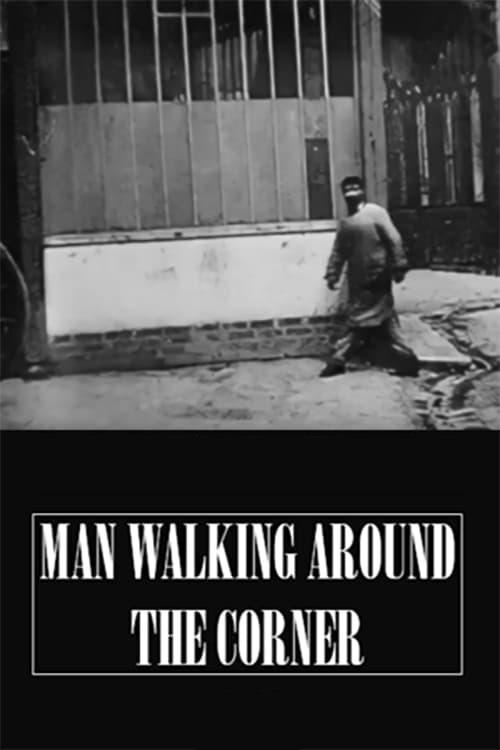
The last remaining production of Le Prince's LPCC Type-16 (16-lens camera) is part of a gelatine film shot in 32 images/second, and pictures a man walking around a corner. Le Prince, who was in Leeds (UK) at that time, sent these images to his wife in New York City in a letter dated 18 August 1887.
1888
1888
1888
1900

1898
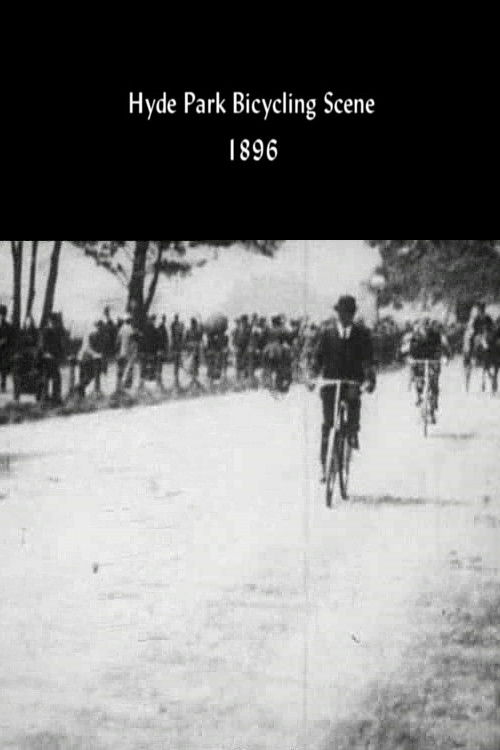
1896
1896

1896
No reviews yet. Be the first to share your thoughts on this movie!
Use the rating form above to leave a star rating and optional review.