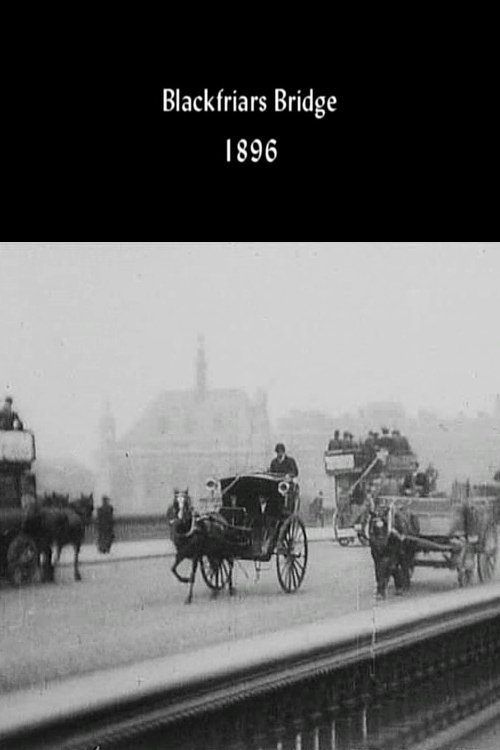
Blackfriars Bridge
1896
No user ratings available yet
Representation score: 0.5 out of 10
Representation Score
Minimal
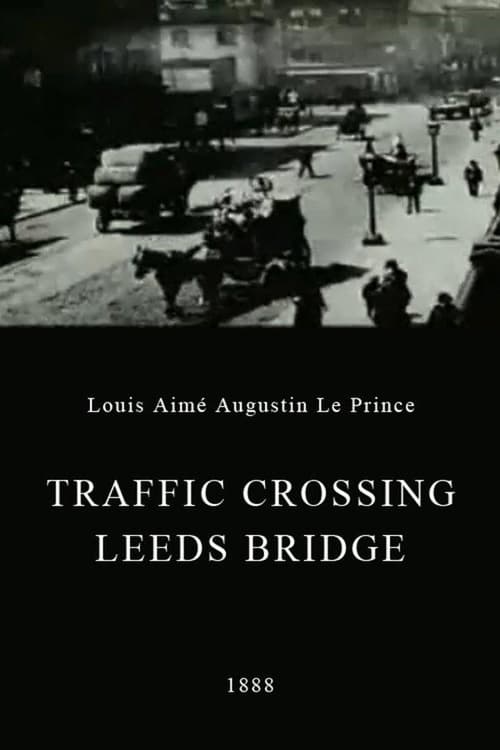
1888
Director
Louis Aimé Augustin Le Prince
Runtime
1 minutes
Average Rating
No ratings yetNew Showbiz Analysis
As a foundational 'actuality' film, this work serves primarily as a visual record of a specific historical moment. It lacks the narrative elements and character arcs needed to address modern concepts of representation or social critique. The low scores reflect the film's nature as a straightforward observation of 1888 Leeds. It captures a specific historical moment without the thematic complexity found in later cinematic works. Ultimately, the film is a neutral historical document. It provides a baseline for understanding the social composition of late-Victorian England without attempting to challenge or reinforce social hierarchies.
Category Breakdown
The film does not depict any same-sex relationships or non-cisgender identities. Public transit scenes lack the character development needed for meaningful LGBTQ representation.
Women are shown as part of the pedestrian crowd but do not have significant roles or power dynamics explored. The footage focuses on the general flow of traffic.
Pedestrians in the film appear mostly homogeneous, reflecting the demographics of late-Victorian Leeds. There is no effort to blend different racial backgrounds.
The film presents a neutral view of urban infrastructure without promoting any specific religious or cultural ideologies. It does not include subjective moral judgments.
There are no visible or invisible disabilities depicted in the film. The footage focuses solely on the movement of people in public spaces.
Present on Screen
Limited or Absent
Official Synopsis
A film by Louis Aimé Augustin Le Prince, shot in late October 1888, showing pedestrians and carriages crossing Leeds Bridge.
1896
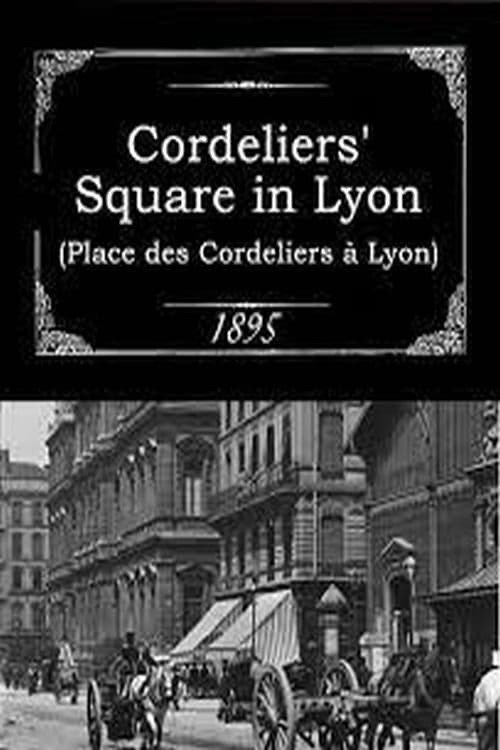
1895
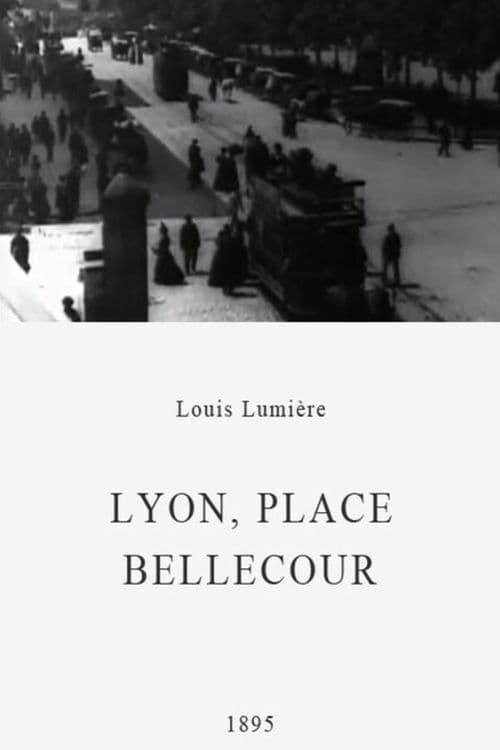
1895
1896
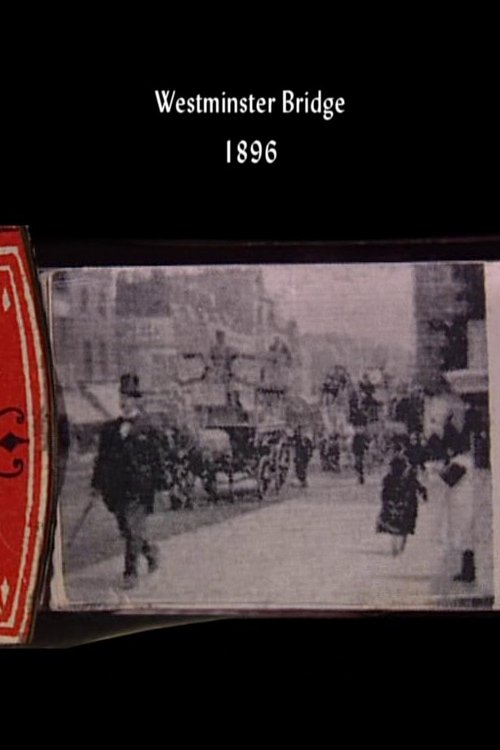
1896
1896
1897
1896
No reviews yet. Be the first to share your thoughts on this movie!
Use the rating form above to leave a star rating and optional review.