Butterfly Dance
1896
No user ratings available yet
Representation score: 1.9 out of 10

Representation Score
Minimal
1894
Not RatedDirector
William K.L. Dickson, William Heise, James H. White
Runtime
1 minutes
Average Rating
No ratings yetNew Showbiz Analysis
This 1894 documentary serves as a technical record of a solo dance performance rather than a narrative work. Since it focuses on a single subject, it lacks the structural complexity needed for storytelling that reflects multiple aspects of identity. The film reflects the homogeneous casting and cultural norms of the late 19th century. It prioritizes the documentation of a specific aesthetic spectacle over character development or social commentary. Ultimately, the work is a historical artifact of Western theatrical tradition. It does not engage with modern frameworks of identity, diversity, or systemic issues.
Category Breakdown
The film does not include any LGBTQ+ characters or stories about non-assuming gender matches what was assigned at birth identities. Given its nature as a brief documentary of a solo performance, it doesn't have the narrative depth for such representation.
Annabelle Whitford Moore is the central figure, but the performance follows 19th-century gendered expectations. It emphasizes the female form through dance without challenging traditional femininity.
The work features a single performer and lacks a diverse cast. There is no evidence of racial blending or the inclusion of non-white perspectives.
This film preserves Western performance art from the late Victorian era. It upholds traditional cultural norms regarding public spectacle rather than critiquing Western institutions.
There is no indication of performers with visible or invisible disabilities. The focus remains entirely on the physical grace and movement of the dancer.
Present on Screen
Limited or Absent
Official Synopsis
Annabelle (Whitford) Moore performs one of her popular dances. For this performance, her costume has a pair of wings attached to her back, to suggest a butterfly. As she dances, she uses her long, flowing skirts to create visual patterns.
1896
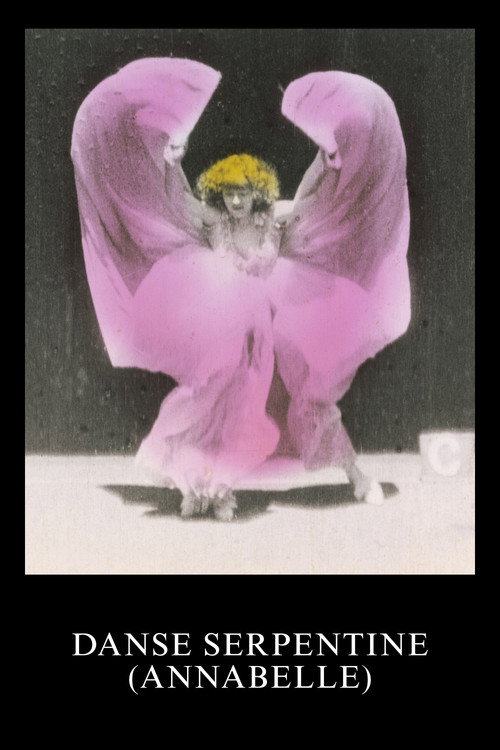
1895

1895
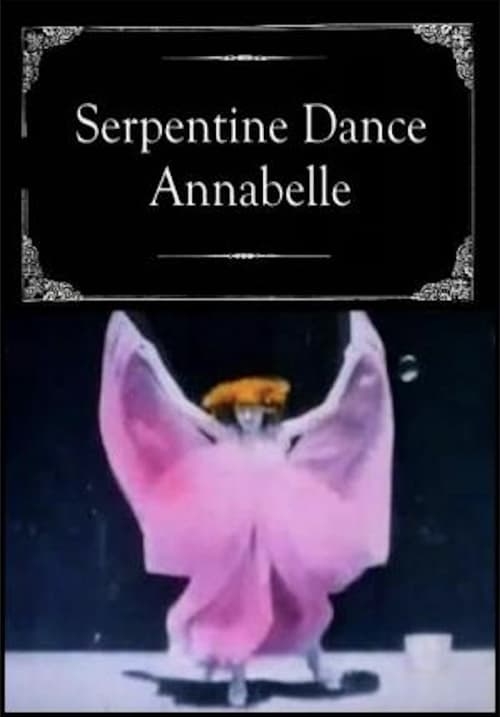
1897
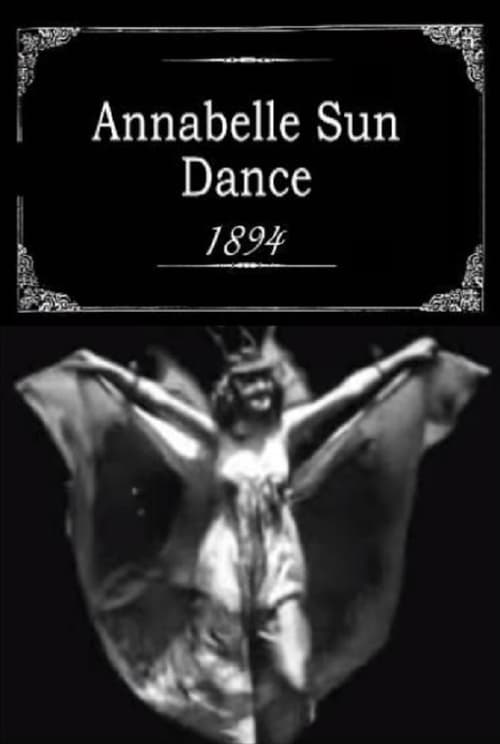
1894
1900

1897
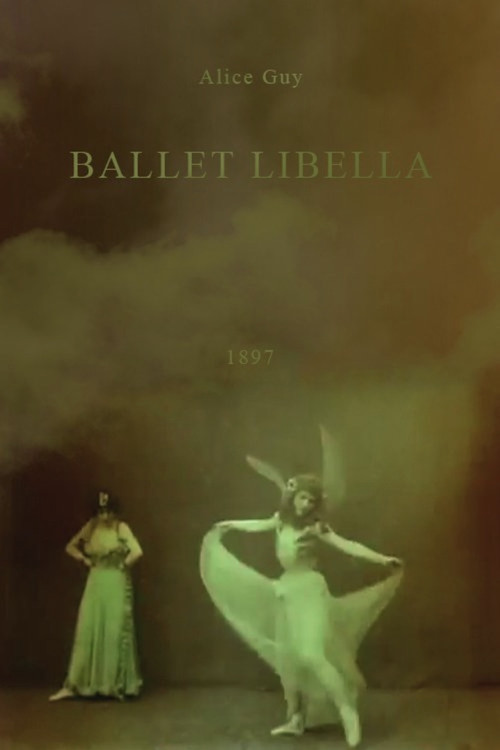
1897
No reviews yet. Be the first to share your thoughts on this movie!
Use the rating form above to leave a star rating and optional review.