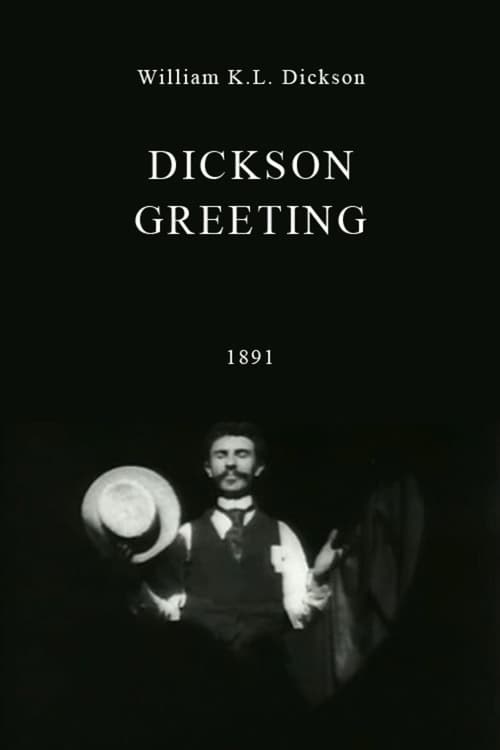
Dickson Greeting
1891
No user ratings available yet
Diversity score: 1.4 out of 10

1908
Director
George Albert Smith
Runtime
8 minutes
Average Rating
No ratings yetSynopsis
The first successful motion picture in natural color, filmed with Kinemacolor. It is an 8 minute short film directed by George Albert Smith of Brighton, showing people doing everyday activities. It is ranked of high historical importance. Kinemacolor later influenced and replaced by Technicolor, which was used from 1916 to 1952.
Overall Score
Limited
Category Breakdown
LGBTQ+ Representation
The film lacks any evidence of non-cisnormative identities or same-sex intimacy. It focuses on communal leisure rather than individual identity politics.
Gender Representation
Women participate in seaside activities but remain within traditional Edwardian social hierarchies. They lack the agency to disrupt established gender roles or masculine leadership.
Racial & Ethnic Diversity
The cast appears largely homogeneous, reflecting the demographic realities of 1908 British tourism. There is no evidence of racial blending or non-Anglo-Saxon subjects.
Religious & Cultural Diversity
The film depicts a traditional Western leisure class engaging in standard recreation. It reinforces contemporary social structures rather than critiquing them.
Disability Representation
There is no discernible evidence regarding the portrayal of physical or neurodivergent identities. No subjects appear to be used as plot devices or objects of mockery.
Strengths
Areas for Improvement
AI Analysis
A Visit to the Seaside is a technical milestone of early cinema, notable for its pioneering use of Kinemacolor. However, as a documentary of the Edwardian era, it functions as a visual record of the period's social norms rather than a narrative exploration of identity. The film presents a highly homogeneous view of society, adhering strictly to the demographic and cultural constraints of 1908 Britain. It captures a singular cultural norm without intersectional variety or subversion of established hierarchies. While historically significant for its color innovation, the work offers little in the way of progressive representation, instead serving as a celebratory documentation of the existing social order.
1891
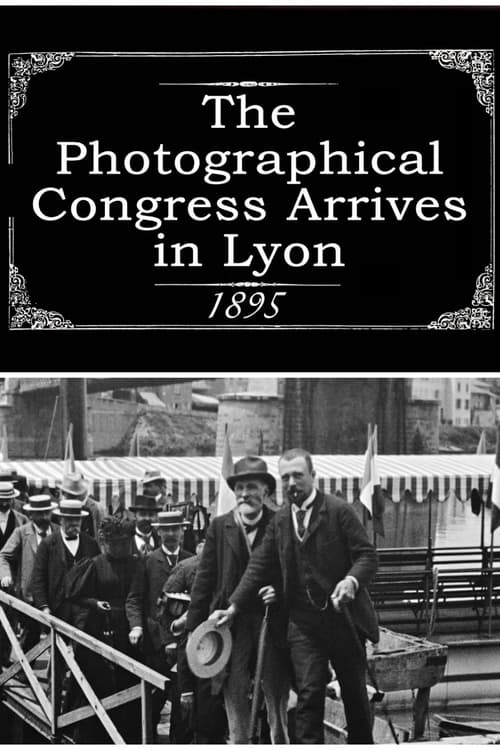
1895
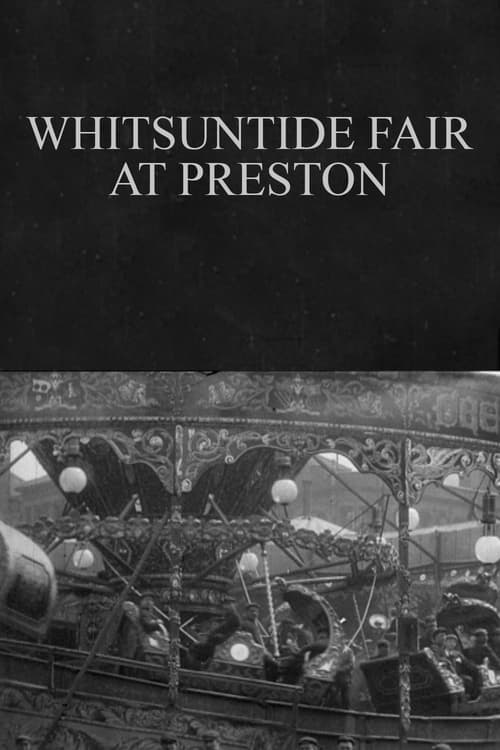
1906

1890

1888
1904
1897
1900

1888

1897

1922

1896
No reviews yet. Be the first to share your thoughts on this movie!
Use the rating form above to leave a star rating and optional review.