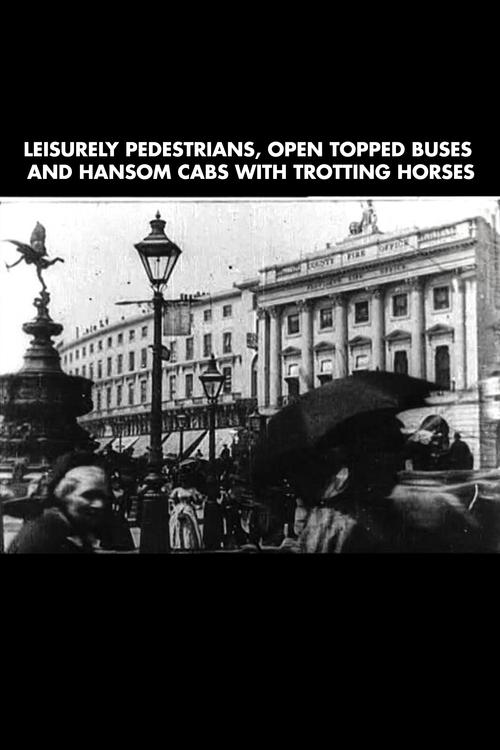
Leisurely Pedestrians, Open Topped Buses and Hansom Cabs with Trotting Horses
1889
No user ratings available yet
Diversity score: 2.1 out of 10
1890
Director
William Friese-Greene
Runtime
1 minutes
Average Rating
No ratings yetSynopsis
Formerly lost film rediscovered in 1996, directed by William Friese-Greene.
Overall Score
Minimal
Category Breakdown
LGBTQ+ Representation
The film contains no evidence of LGBTQ+ characters or narratives. The footage reflects the social visibility constraints of the 1890s.
Gender Representation
Women appear within the frame as part of the public landscape. However, they are limited to traditional Victorian social roles without any subversion of gender hierarchies.
Racial & Ethnic Diversity
The visual evidence suggests a predominantly homogeneous Anglo-Saxon demographic. The film lacks the presence of non-white subjects or intentional diverse casting.
Religious & Cultural Diversity
The footage captures the status quo of late-Victorian Western society. It reinforces established social orders and class distinctions rather than critiquing them.
Disability Representation
There is no documented evidence of individuals with visible or invisible disabilities. No subjects with disabilities are portrayed with agency in this footage.
Strengths
Areas for Improvement
AI Analysis
As a documentary from 1890, this film functions as a visual record of London street life rather than a curated thematic statement. It captures a specific historical moment characterized by high social homogeneity and traditional institutional dominance. The lack of diversity is a reflection of the era's social constraints. The footage provides a window into Victorian decorum but lacks the modern narrative tools required for progressive representation or systemic subversion.
1889
1888
1889
1888
1895
1908
1899
1906
1946
1890
1896
1909
No reviews yet. Be the first to share your thoughts on this movie!
Use the rating form above to leave a star rating and optional review.