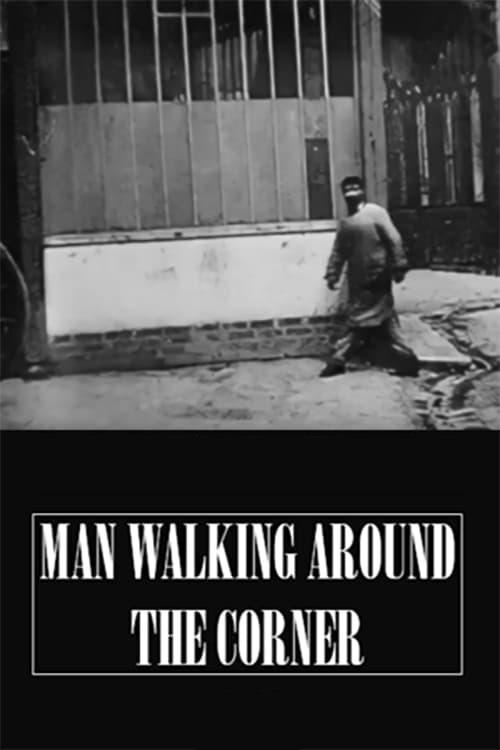
Man Walking Around a Corner
1887
No user ratings available yet
Representation score: 0.6 out of 10

Representation Score
Minimal
1888
Not RatedDirector
Louis Aimé Augustin Le Prince
Runtime
1 minutes
Average Rating
No ratings yetNew Showbiz Analysis
As the first surviving motion picture, this film serves as a technical achievement rather than a platform for social commentary. It captures a brief, everyday scene from late 19th-century Yorkshire. The absence of diversity reflects the era's demographics and the film's role as a scientific record. The subjects represent a uniform, Western, upper-middle-class group without any layered representation. Overall, the film does not have the structure needed to explore identity, roles, or social rebellion, serving instead as a historical document.
Category Breakdown
The film does not show any same-sex relationships or non-cisgender expressions. Since it is very short and silent, there is no clear queer subtext or discussions about heteronormativity.
Men and women interact in a garden following 19th-century social rules and dress. They maintain traditional gender roles without challenging the status quo.
All the people in the film are of European descent, reflecting the demographics of Leeds in 1888. There are no non-white or non-Anglo-Saxon individuals shown.
The film documents upper-middle-class Western leisure activities. It does not address secular themes or question Western institutions.
There are no visible or hidden disabilities shown. The people move normally and are not used as plot devices or mocked.
Present on Screen
Limited or Absent
Official Synopsis
The earliest surviving motion-picture film, and believed to be one of the very first moving images ever created, was shot by Louis Aimé Augustin Le Prince using the LPCCP Type-1 MkII single-lens camera. It was taken on paper-based photographic film in the garden of Oakwood Grange, the Whitley family house in Roundhay, Leeds, West Riding of Yorkshire (UK), on 14 October 1888. The film shows Adolphe Le Prince (Le Prince’s son), Mrs. Sarah Whitley (Le Prince’s mother-in-law), Joseph Whitley, and Miss Harriet Hartley walking around in circles, laughing to themselves, and staying within the area framed by the camera. Roundhay Garden Scene is often associated with a recording speed of around 12 frames per second and runs for about 2 to 3 seconds.
1887
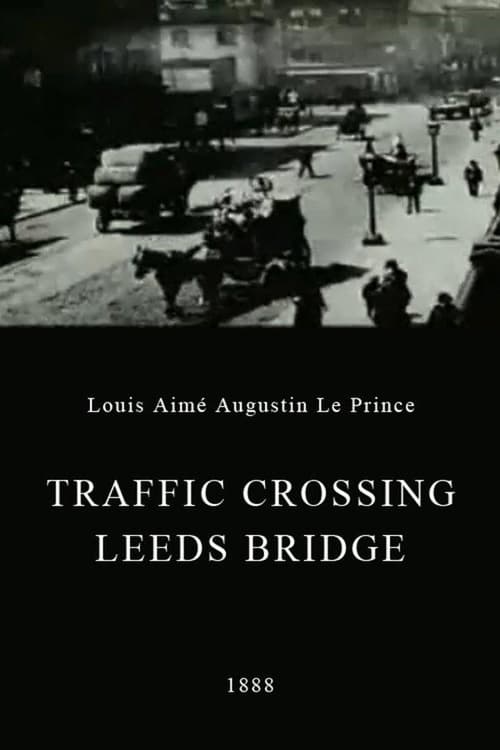
1888
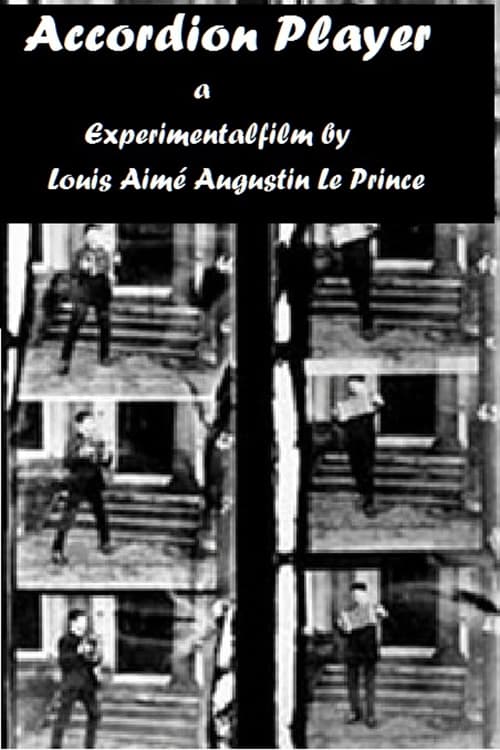
1888
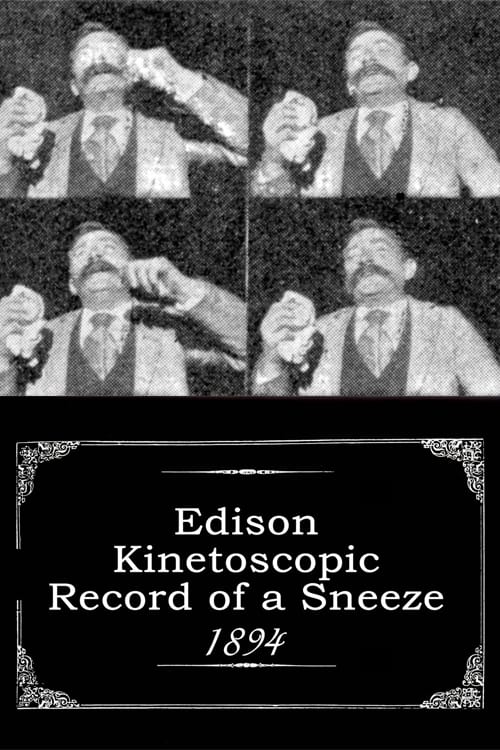
1894
1895
1899
1900
1892
No reviews yet. Be the first to share your thoughts on this movie!
Use the rating form above to leave a star rating and optional review.