Le goûter des bébés
1897
No user ratings available yet
Representation score: 2.5 out of 10
Representation Score
Minimal
1896
Director
Louis Lumière
Runtime
1 minutes
Average Rating
No ratings yetNew Showbiz Analysis
Baby's First Steps serves as a historical record of early cinema, focusing on natural human behavior. It emphasizes documenting established 19th-century domestic structures rather than progressive representation. The film lacks the complexity needed for modern storytelling that reflects multiple aspects of identity, offering a straightforward look at a traditional family unit from a homogeneous era.
Category Breakdown
The film briefly captures a family moving together but does not depict any non-straight or non-cisgender identities or queer stories.
A mother figure plays a central, nurturing role in guiding the child, reinforcing traditional gender roles and 19th-century expectations.
The film shows a uniform social setting with no multi-ethnic casting or disruption of Anglo-centric norms.
This piece captures a traditional late-Victorian family view without challenging cultural norms. It presents a conventional family structure.
There are no characters with visible or invisible disabilities in this footage.
Present on Screen
Limited or Absent
Official Synopsis
A mother takes her children for a walk, lifts her baby girl out of the buggy and gently sets her down to the ground. She then moves a few steps away and calls her name, to demonstrate that her baby can walk.
1897

2010
1899
1895
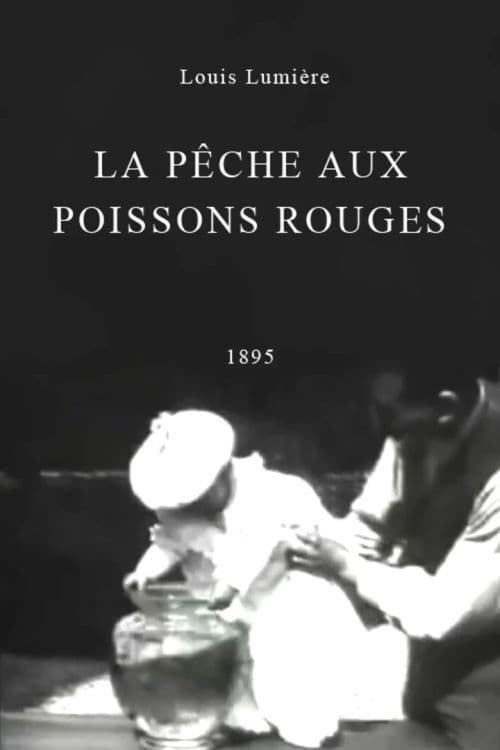
1895
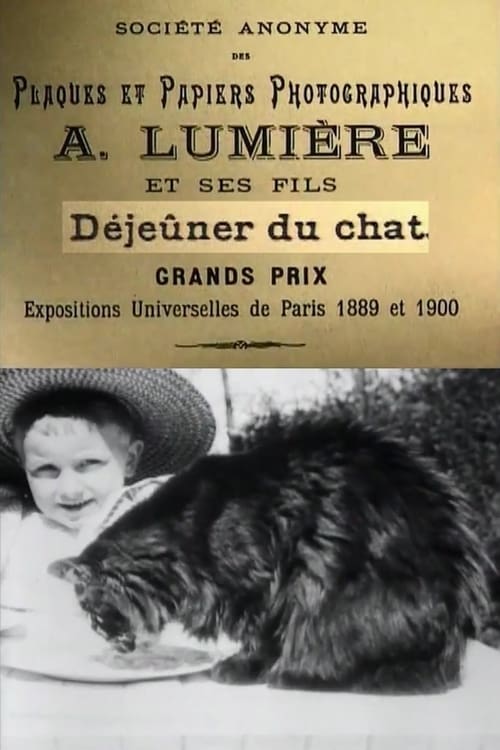
1895
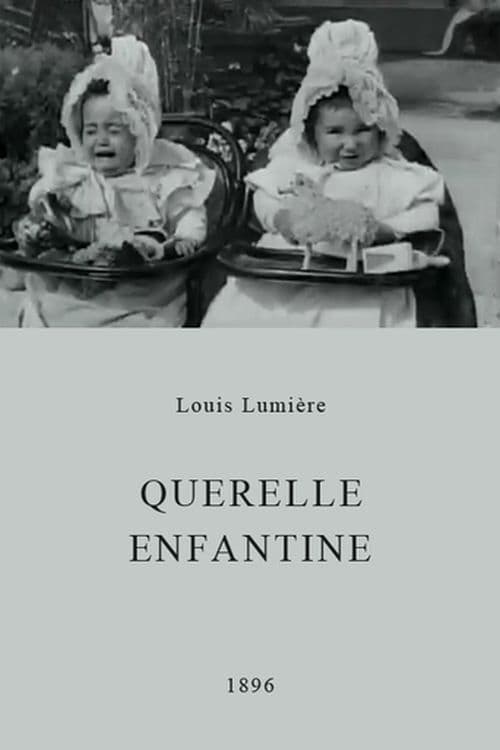
1896
1900
No reviews yet. Be the first to share your thoughts on this movie!
Use the rating form above to leave a star rating and optional review.