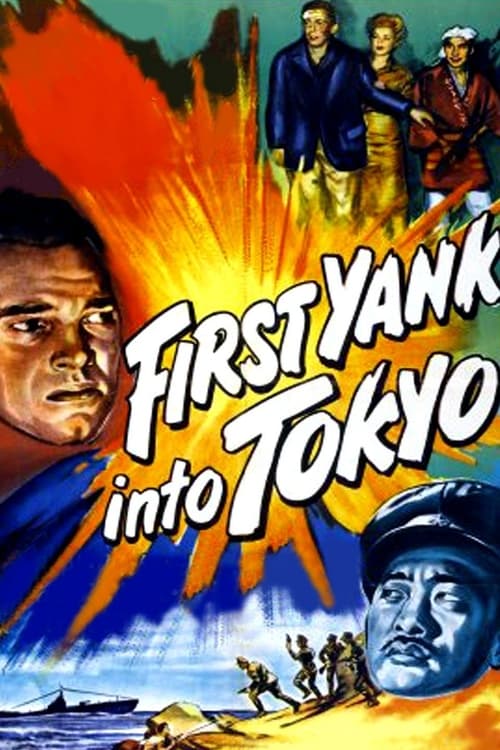
First Yank into Tokyo
1945
No user ratings available yet
Representation score: 0.2 out of 10
Representation Score
Minimal
1945
ApprovedDirector
Raymond Cannon
Runtime
78 minutes
Average Rating
No ratings yetNew Showbiz Analysis
Samurai is a wartime drama that primarily uses ethnic identity as a means for espionage and political infiltration. The narrative structure revolves around masculine archetypes and the destabilization of domestic life during a time of high geopolitical tension. While the film features a Japanese-American protagonist, the portrayal lacks depth and progressive character development, focusing instead on a wartime narrative of national security and systemic disruption. The film lacks representation of LGBTQ+ identities and non-assuming gender matches what was assigned at birth individuals, and it minimally engages with women in passive, secondary roles. It also portrays racial identity mainly through espionage rather than nuanced personal ability to act.
Category Breakdown
The film does not depict any non-binary or LGBTQ+ identities and focuses solely on heterosexual and cisgender relationships.
The story emphasizes masculine roles such as warriors and secret agents, while female characters are mostly passive and play secondary roles.
A Japanese-American protagonist is central to the plot, but his identity is used primarily for espionage purposes rather than showcasing nuanced personal ability to act.
The narrative centers on the disruption of Western institutions and the family unit, serving a plot focused on political subversion rather than cultural critique.
The film does not include any characters dealing with physical, neurodivergent, or mental health conditions.
Present on Screen
Limited or Absent
Official Synopsis
A young Japanese-American orphan in California is taken in by a priest who is actually a Japanese secret agent and a samurai warrior. Due to the samurai's training, the boy murders his English teacher, kills the American parents who have adopted him, smuggles Japanese secret plans into the country, and eventually becomes the governor of California with plans to infiltrate Japanese spies into the state so they can take over.
1945
1962

1943

2003

1960
1945
1959
1961
No reviews yet. Be the first to share your thoughts on this movie!
Use the rating form above to leave a star rating and optional review.