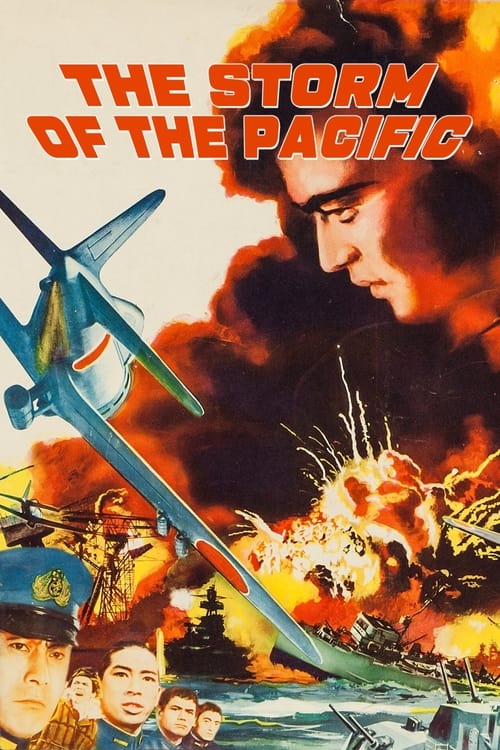
The Storm of the Pacific
1960
No user ratings available yet
Representation score: 1.9 out of 10
Representation Score
Minimal
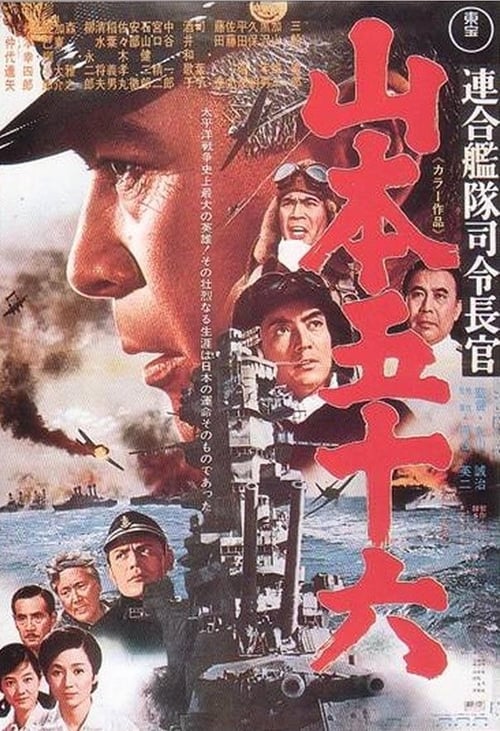
1968
Director
Seiji Maruyama
Runtime
130 minutes
Average Rating
No ratings yetNew Showbiz Analysis
Admiral Yamamoto is a traditional historical biopic that explores leadership and national destiny. The film adheres to the social and military structures of the 1940s, focusing on the internal struggles of Isoroku Yamamoto as he leads his country toward Pearl Harbor. The production emphasizes historical accuracy and national narrative, avoiding disruptions to social hierarchies. Consequently, the film lacks depth in representing diverse identities and progressive social critiques. While the film offers a nuanced look at duty and patriotism, it does not include diverse perspectives or engage with modern social issues.
Category Breakdown
The film does not depict any non-straight or non-cisgender identities. There are no scenes showing same-sex relationships or characters with LGBTQ+ identities.
The movie focuses on male leadership and military authority. Women are not shown in positions of power or decision-making roles, reinforcing traditional gender roles.
The cast is made up of actors who share the same ethnicity, reflecting the Japanese historical context. The film does not feature actors from different ethnic backgrounds.
The story examines the conflict between personal ethics and national duty. It emphasizes national sovereignty without addressing Western cultural institutions.
The film does not address visible or invisible disabilities. It highlights the physical and mental strength needed for military leadership.
Present on Screen
Limited or Absent
Official Synopsis
As Japan joins in a political pact with Nazi Germany and fascist Italy, Admiral Isoroku Yamamoto is appointed supreme commander of the Japanese fleet. With Japan headed inexorably toward war, Yamamoto, despite his misgivings, believes the only possible victory lies in destroying the American fleet by surprise at Pearl Harbor. The attack succeeds, but fails to sink the American carrier fleet. Thus Yamamoto must lead the Japanese navy into war with ever-diminishing likelihood of success.
1960
1960
1981
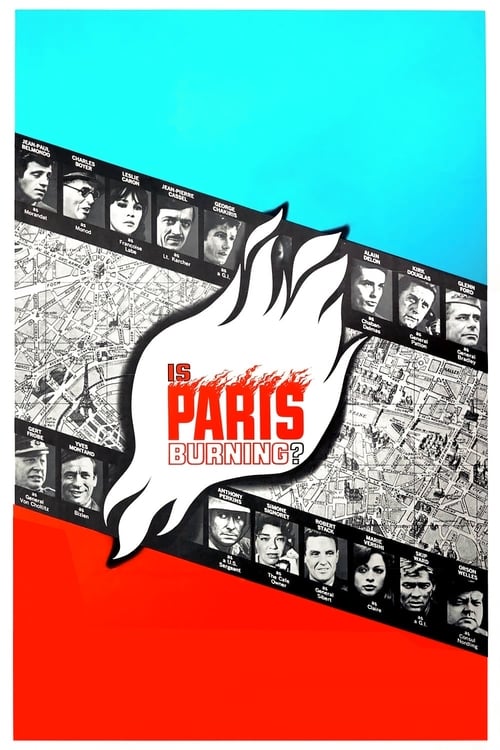
1966
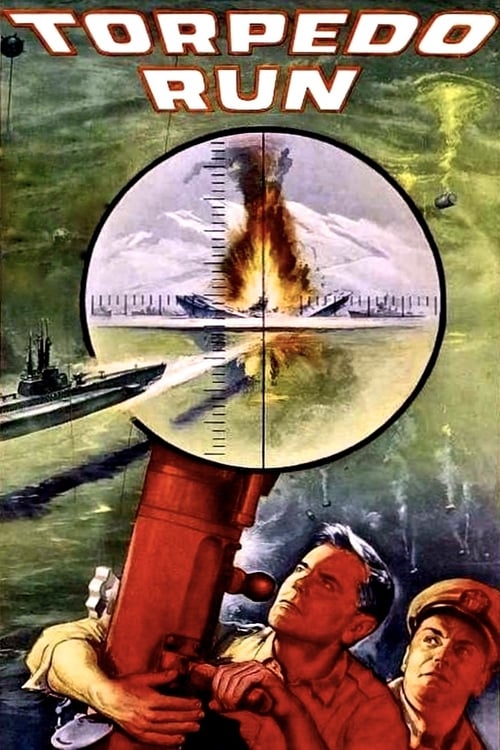
1958
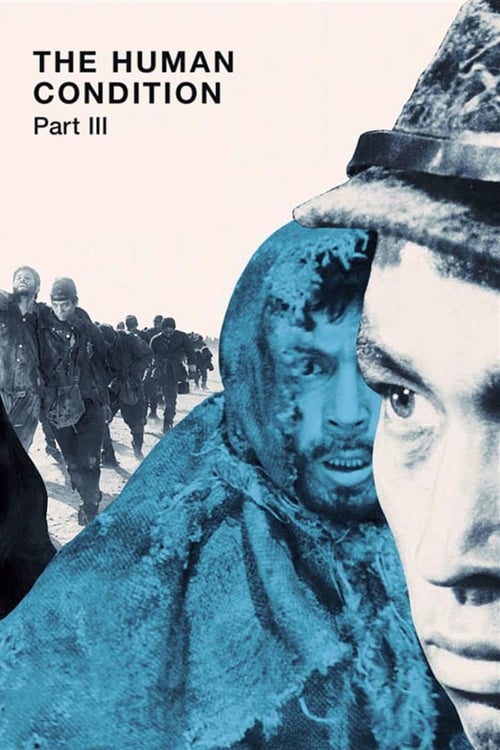
1961

1956
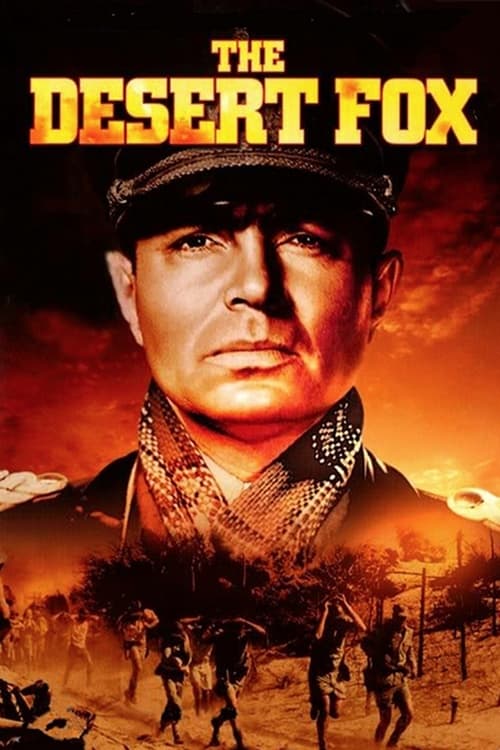
1951
No reviews yet. Be the first to share your thoughts on this movie!
Use the rating form above to leave a star rating and optional review.