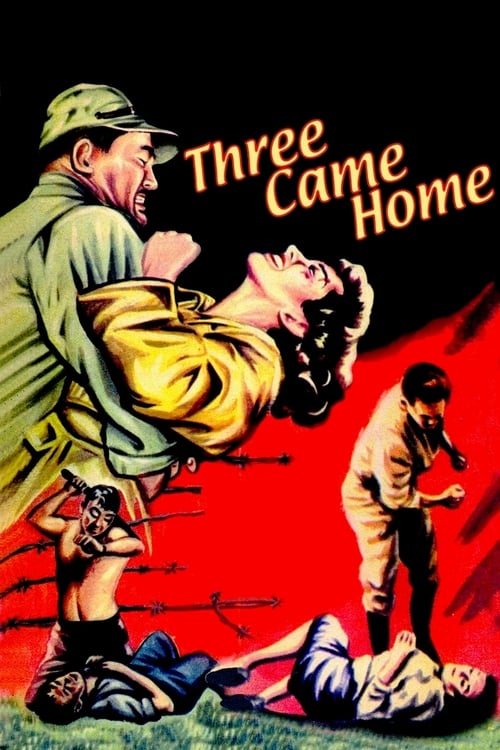
Three Came Home
1950
No user ratings available yet
Representation score: 1.1 out of 10

Representation Score
Minimal
1943
NRDirector
Edward Dmytryk
Runtime
88 minutes
Average Rating
No ratings yetNew Showbiz Analysis
Produced during World War II, this film centers on the Philippine resistance. It successfully portrays Filipino characters as active agents in their liberation. However, it adheres to traditional gender roles and lacks diversity in other social dimensions. The film avoids the 'white savior' cliché by emphasizing local resistance but fails to represent LGBTQ+ identities or individuals with disabilities. The narrative is heavily influenced by the social norms of the 1940s, presenting a binary view of the conflict that reinforces Western institutional authority. Ultimately, the film serves as a tool for national cohesion, though it falls short in representing diverse identities and experiences.
Category Breakdown
The film does not include any identifiable LGBTQ+ characters or non-cisgender identities. The story focuses solely on military mobilization and wartime social structures.
Male soldiers and guerrilla leaders drive the main plot, taking on significant roles. Female characters are limited to domestic or supportive positions, reinforcing traditional gender roles of the mid-20th century.
Filipino characters are central to the story and play active roles in their own liberation. However, the racial dynamics are strictly binary, framed by the wartime alliance against Japan.
The story promotes strong patriotism and supports American military intervention. It presents a clear distinction between liberating Western forces and oppressive Axis powers.
There is no representation of physical or neurodivergent disabilities. Characters are defined almost entirely by their physical abilities needed for guerrilla warfare.
Present on Screen
Limited or Absent
Official Synopsis
A Japanese publisher urges his American-educated son to side with the Axis.
1950

1959
1942

1945

1960

1965
1943
2012
No reviews yet. Be the first to share your thoughts on this movie!
Use the rating form above to leave a star rating and optional review.