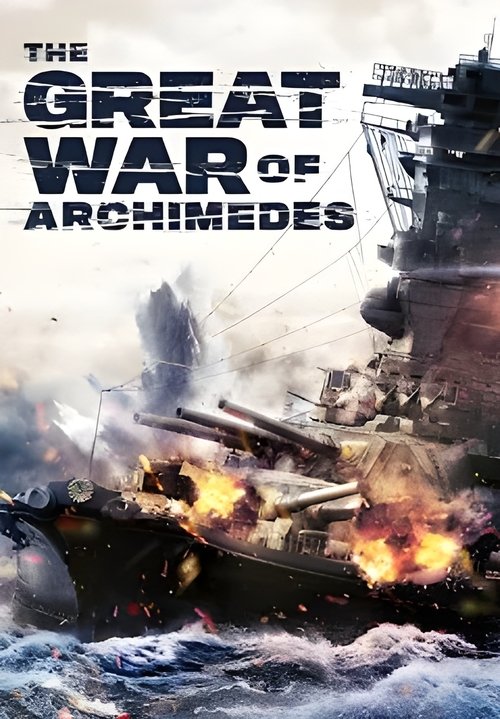
The Great War of Archimedes
2019
No user ratings available yet
Diversity score: 4.2 out of 10
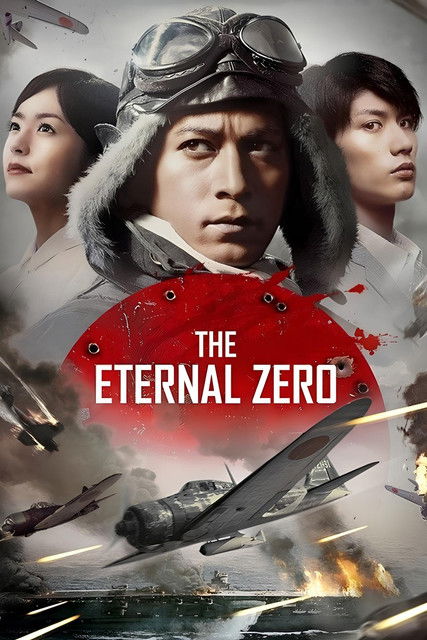
2013
Director
Takashi Yamazaki
Runtime
144 minutes
Average Rating
No ratings yetSynopsis
A brother and sister learn their biological grandfather was a kamikaze pilot who died during World War II. During their research into his life, they get conflicting accounts from his former comrades about his character and how he joined his squadron.
Overall Score
Limited
Category Breakdown
LGBTQ+ Representation
The film adheres to the social mores of the mid-20th-century Japanese military. It focuses on heteronormative structures and military brotherhood, with no representation of non-cisnormative identities.
Gender Representation
Male pilots hold the primary agency within the combat narrative. Female characters function mostly within domestic frameworks, serving as emotional anchors rather than driving the plot independently.
Racial & Ethnic Diversity
The cast is ethnically homogeneous, reflecting the historical reality of the Imperial Japanese Navy. It presents a localized perspective without engaging in broader racial dialogue or intersectional casting.
Religious & Cultural Diversity
The story explores the tension between individual identity and the collective demands of the state. It emphasizes duty and sacrifice within a rigid military hierarchy.
Disability Representation
Psychological combat trauma is a central theme, yet it is framed through tragedy and wartime duty. The film lacks a focus on neurodivergence or physical disability agency.
Strengths
Areas for Improvement
AI Analysis
The Eternal Zero is a traditional historical drama that prioritizes period authenticity over social deconstruction. It examines the human cost of conforming to rigid institutional frameworks and wartime expectations. The film operates within a conservative narrative tradition, focusing on the personal legacy of a kamikaze pilot. It reinforces established power dynamics and traditional social roles rather than challenging them. While the film captures the psychological weight of the era, it lacks diversity in gender agency, racial intersectionality, and disability representation, remaining strictly within its specific historical context.
No reviews yet. Be the first to share your thoughts on this movie!
Use the rating form above to leave a star rating and optional review.