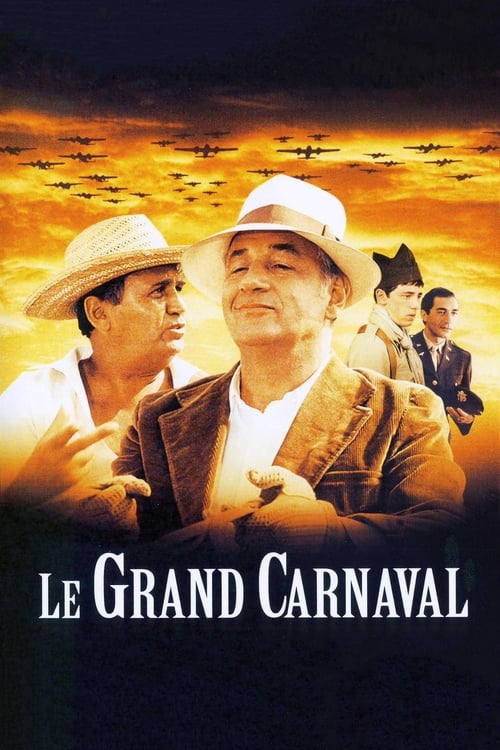
Le Grand Carnaval
1983
No user ratings available yet
Diversity score: 3.2 out of 10

1957
NRDirector
Victor Vicas
Runtime
92 minutes
Average Rating
No ratings yetSynopsis
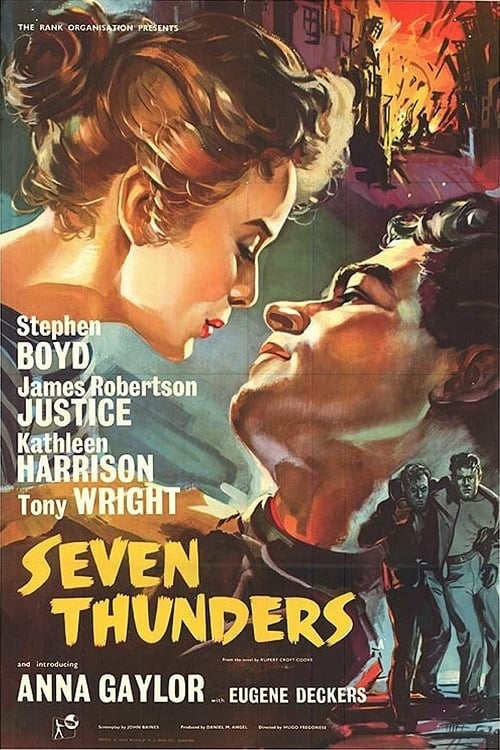
Dutch patriots, a U.S. officer and a British spy fool the Nazis with a fake Soho film company.
Overall Score
Limited
Category Breakdown
LGBTQ+ Representation
The film lacks any evidence of LGBTQ+ characters or non-heteronormative identities. The plot centers on a conventional romantic engagement between Captain Ranson and Rolande Hertog.
Gender Representation
Rolande Hertog demonstrates agency by neutralizing a captive during a violent encounter. However, the narrative remains centered on male intelligence officers and traditional hierarchies of authority.
Racial & Ethnic Diversity
The cast features a mix of Anglo-Saxon and European actors, reflecting a Western-centric focus. There is no evidence of significant racial blending or prominent non-white characters.
Religious & Cultural Diversity
The story focuses on the pragmatic, morally gray deceptions of espionage rather than a singular religious morality. It celebrates institutional cooperation between MI6 and US security forces.
Disability Representation
There is no documented evidence of characters navigating physical or neurodivergent disabilities within the film's narrative.
Strengths
Areas for Improvement
AI Analysis
Count Five and Die is a product of its 1957 era, prioritizing wartime patriotism and Western military structures. The narrative follows a standard intelligence-driven plot that emphasizes professional friction and geopolitical objectives. While the film avoids some traditional tropes through the decisive actions of Rolande Hertog, it remains anchored in the social norms of the late 1950s. The focus stays largely on a coalition of American, British, and Dutch interests. Ultimately, the film lacks modern diversity markers, presenting a world defined by established institutional hierarchies and conventional romantic structures.
1983
1948
1951
1943
1944
1945
1957
1942
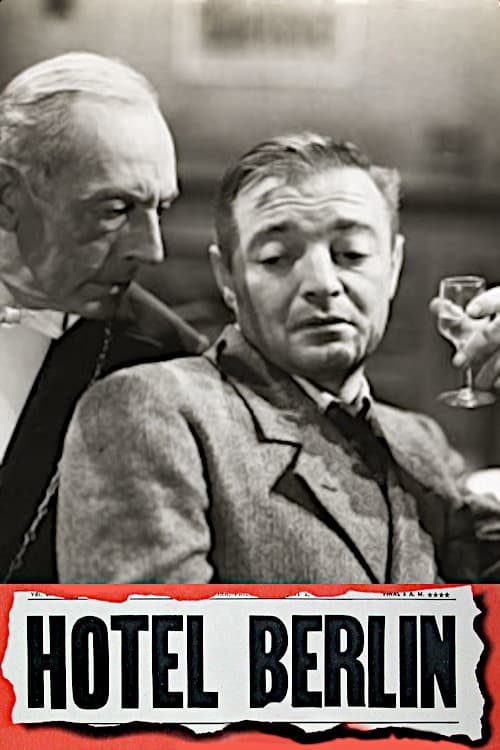
1945
1944
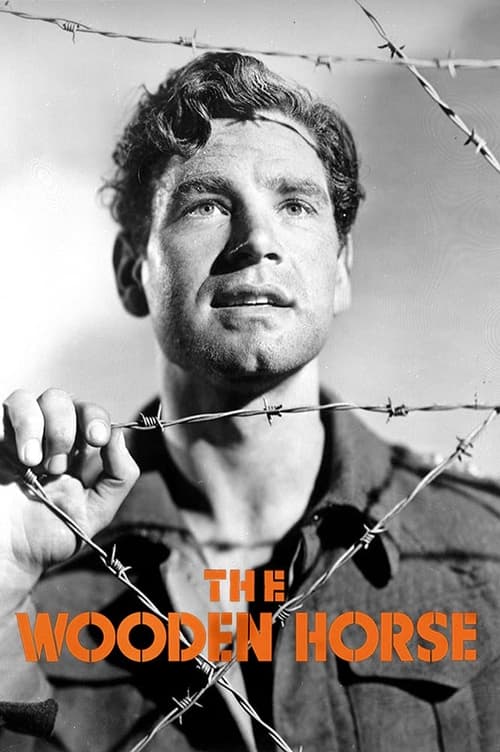
1950
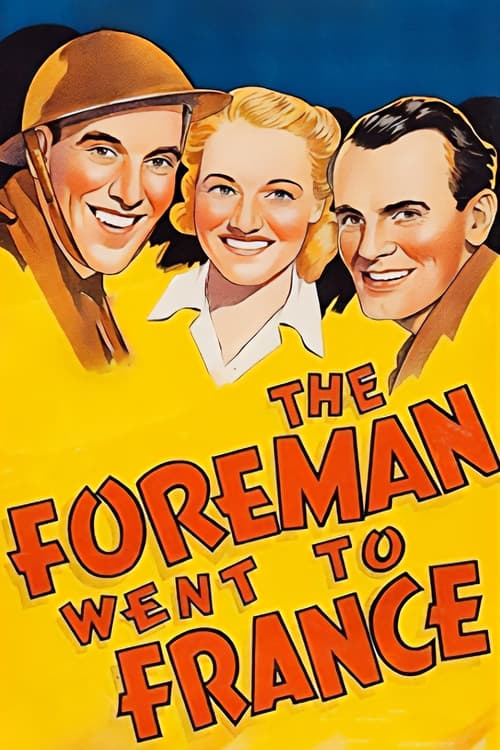
1942
No reviews yet. Be the first to share your thoughts on this movie!
Use the rating form above to leave a star rating and optional review.