
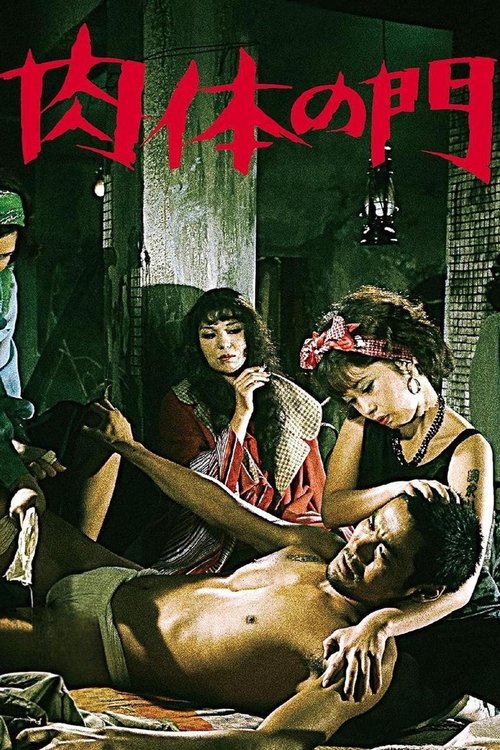
Gate of Flesh
1964
No user ratings available yet
Representation score: 7.8 out of 10

Representation Score
Fair
1988
Director
Hideo Gosha
Runtime
119 minutes
Average Rating
No ratings yetNew Showbiz Analysis
Hideo Gosha’s drama centers on a collective of women who actively shape their destinies, subverting traditional gender roles. Rather than falling into the 'damsel in distress' cliché, the protagonists exhibit organizational strength and intellectual independence in the aftermath of World War II. However, the film’s scope is limited by its cultural homogeneity. It lacks explicit LGBTQ+ representation and focuses on traditional period themes of desire and survival. Ultimately, the film explores resilience in a broken socioeconomic landscape, where underrepresented individuals strive to build their own sense of autonomy.
Category Breakdown
The film does not explicitly depict queer romantic relationships or non-cisgender identities. Intense bonds exist between women, but there is no clear indication of LGBTQ+ storylines.
Women in the film play a significant role in driving the story and are shown as active participants rather than passive victims. They work together strategically to achieve economic and communal goals.
The cast is predominantly Japanese, reflecting the film's specific historical and geographic context in post-WWII Japan. There is a lack of racial diversity.
The film critiques systemic failures and the shortcomings of the state. Characters seek to create their own 'Paradise,' challenging the prevailing capitalist and societal structures of the time.
There is no significant depiction of physical or neurodivergent disabilities within the narrative.
Present on Screen
Limited or Absent
Official Synopsis
Prostitutes in burnt out Tokyo ghetto of post-WWII Japan peddle their flesh and save one-third of their money for a proposed dancehall to be named Paradise. The hookers live in a bombed-out building, but they accept the precarious situation with typical resolve.
1964

1956
1991

1995
1977

1986
1955
1988
No reviews yet. Be the first to share your thoughts on this movie!
Use the rating form above to leave a star rating and optional review.