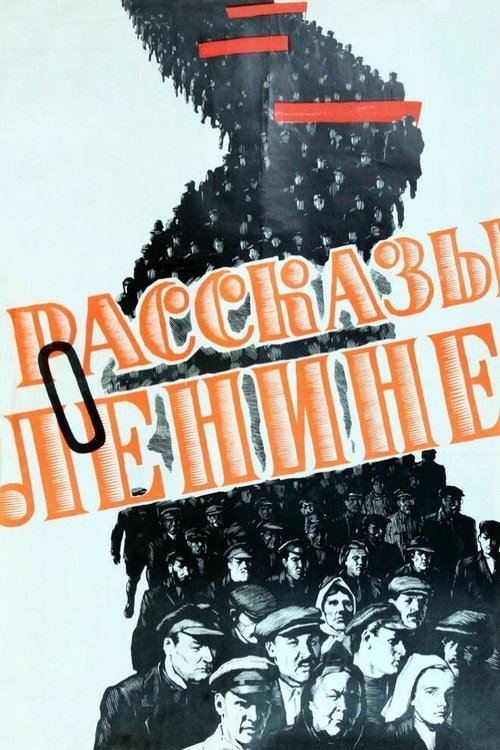
Stories About Lenin
1957
No user ratings available yet
Representation score: 2.6 out of 10
Representation Score
Limited
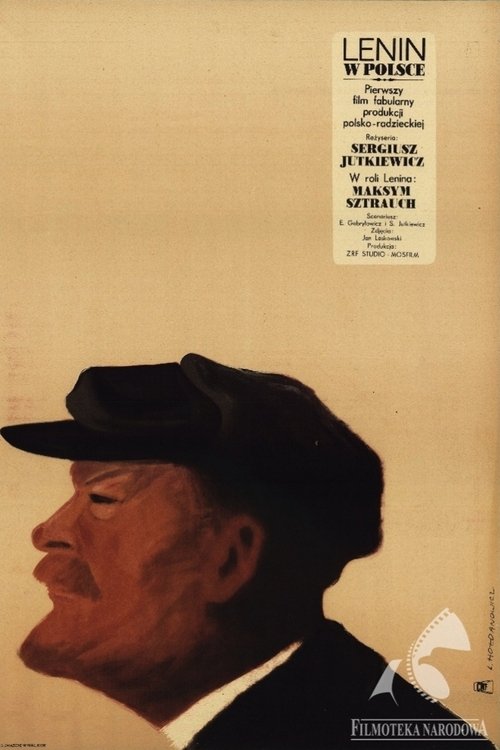
1966
Director
Sergei Yutkevich
Runtime
93 minutes
Average Rating
No ratings yetNew Showbiz Analysis
Lenin in Poland is a period drama that emphasizes ideological struggle over individual identity. It excels at depicting systemic upheaval and the dismantling of established capitalist and religious institutions, offering a strong critique of the old social order. However, the film's focus on masculine-coded political and military spheres limits gender ability to act. Traditional hierarchies dominate the narrative, leaving little room for diverse personal identities or non-normative representations. Ultimately, the film serves as a vehicle for class-based revolutionary themes rather than a study of diverse human experiences, reflecting its specific political purpose.
Category Breakdown
The film does not include any LGBTQ+ characters or non-straight relationships. It focuses solely on the political and military events of the early 20th century.
The story centers around male political and military leaders, reinforcing traditional power structures. A young female character serves as an emotional symbol but lacks independent ability to act.
Casting reflects the historical context of the Polish-Soviet War, featuring mostly Slavic and European actors. The film highlights conflicts based on class and nationality rather than racial identity.
The narrative explicitly challenges capitalist institutions and religious traditions. It portrays the existing Polish government as an oppressive force that must be dismantled through revolutionary ideals.
There is no representation of physical, sensory, or neurodivergent disabilities. Characters are primarily defined by their political roles or socioeconomic status.
Present on Screen
Limited or Absent
Official Synopsis
The life of the great Bolshevik leader before the Russian revolution is chronicled in this bio-pic. Much of the tale centers on his exile in Poland where Lenin becomes friends with two peasants. The little girl has a strong belief in the nationalist cause. Later Lenin hears she was killed for withholding information about him.
1957

1930

1963

1964
1938
1955
1954
1917
No reviews yet. Be the first to share your thoughts on this movie!
Use the rating form above to leave a star rating and optional review.