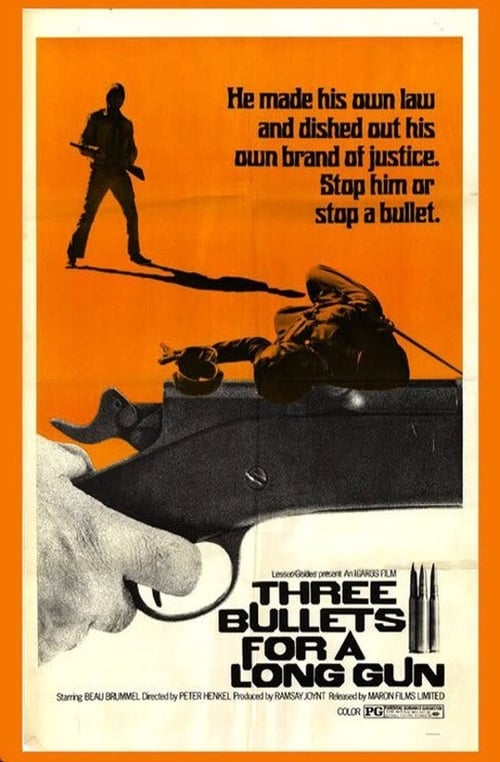
Three Bullets... for a Long Gun
1971
No user ratings available yet
Diversity score: 3.3 out of 10
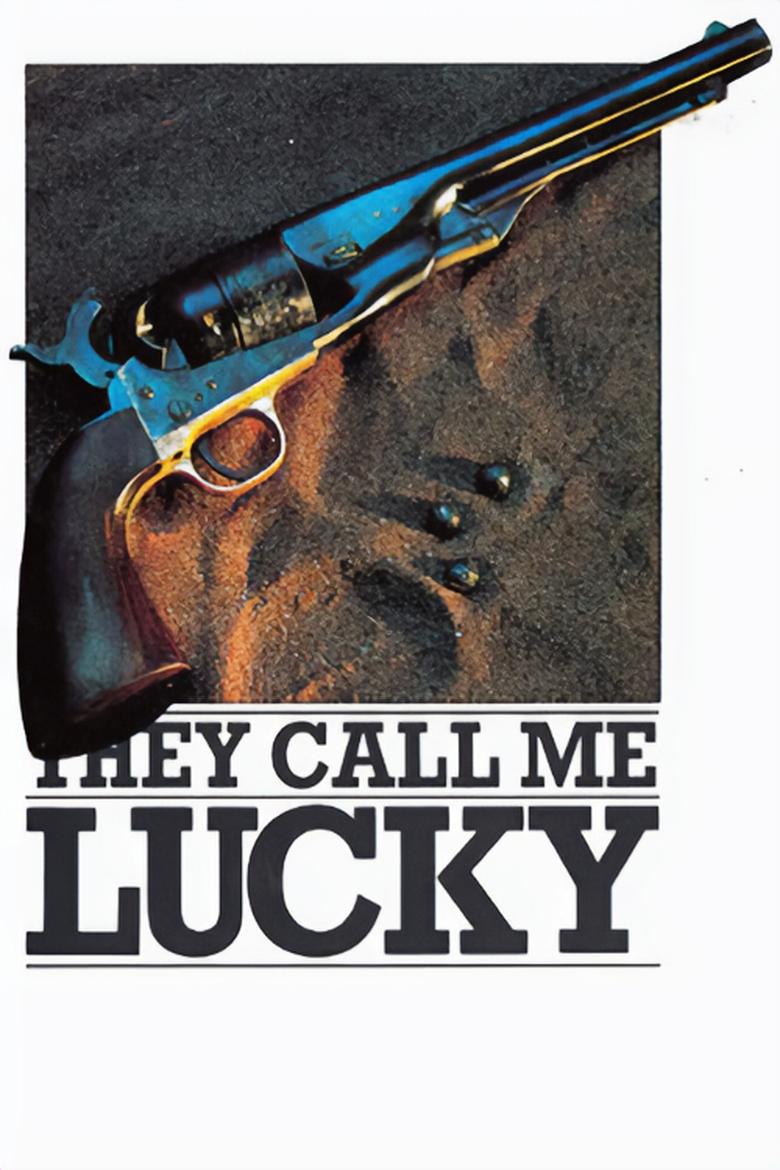
1974
Director
Peter Henkel
Runtime
100 minutes
Average Rating
No ratings yetSynopsis
Lucky's band of outlaws holds a rich girl for ransom and plans a new series of robberies. Meanwhile, a peasant who was widowed by one of Lucky's men teams up with a Preacher/Bounty Hunter to plot a premature end to Lucky's lucky streak.
Overall Score
Limited
Category Breakdown
LGBTQ+ Representation
The film lacks queer visibility or non-cisnormative identities. The plot relies on traditional Western archetypes that do not engage with gender identity or LGBTQ+ themes.
Gender Representation
Female characters appear primarily as passive plot devices, such as the rich girl held for ransom. Even the widow's motivation is tied to traditional domestic loss rather than active agency.
Racial & Ethnic Diversity
The narrative leans toward a homogeneous, Anglo-centric social structure. There is no evidence of diverse ethnic identities or a non-white majority cast within the setting.
Religious & Cultural Diversity
The story is anchored in conventional religious and legalistic structures through the Preacher/Bounty Hunter character. It follows standard Western morality without disrupting established social paradigms.
Disability Representation
There is no information regarding the inclusion of characters with visible or invisible disabilities in this production.
Strengths
Areas for Improvement
AI Analysis
They Call Me Lucky adheres strictly to the conventional tropes of the 1970s Western. The narrative architecture relies on established archetypes—the outlaw, the victimized woman, and the moralistic preacher—which reinforce traditional social hierarchies. Because the characters function within standard period-specific roles, there is a notable absence of intersectional complexity. The film prioritizes a homogeneous social structure over diverse or subversive storytelling. Ultimately, the film serves as a standard genre piece that lacks engagement with marginalized identities or modern social critiques.
1971
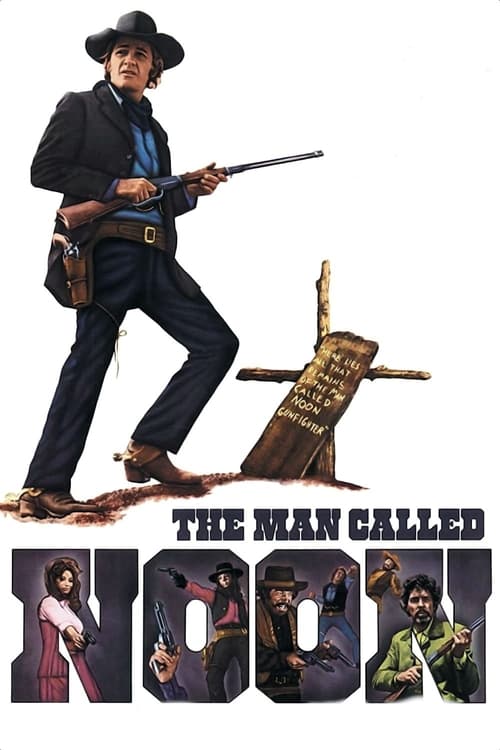
1973
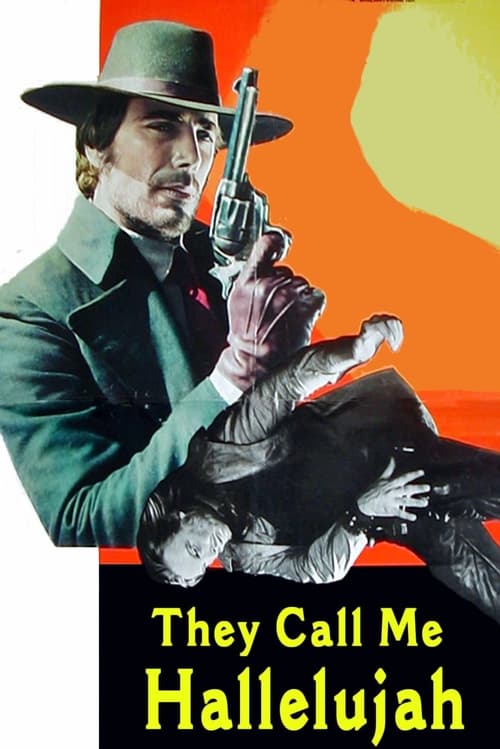
1971
2009
1967

1968

1958
1970
1965
1971
1968
1968
No reviews yet. Be the first to share your thoughts on this movie!
Use the rating form above to leave a star rating and optional review.