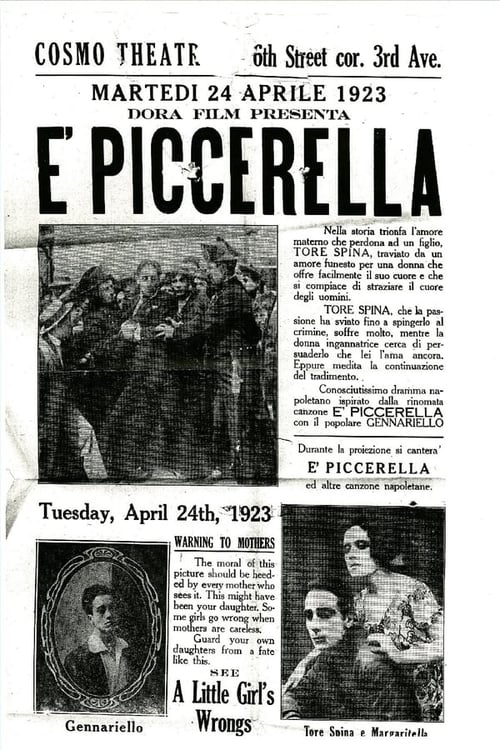
The Little Girl's Wrong
1922
No user ratings available yet
Representation score: 1.3 out of 10
Representation Score
Limited
1928
PassedDirector
Edwin Carewe
Runtime
70 minutes
Average Rating
No ratings yetNew Showbiz Analysis
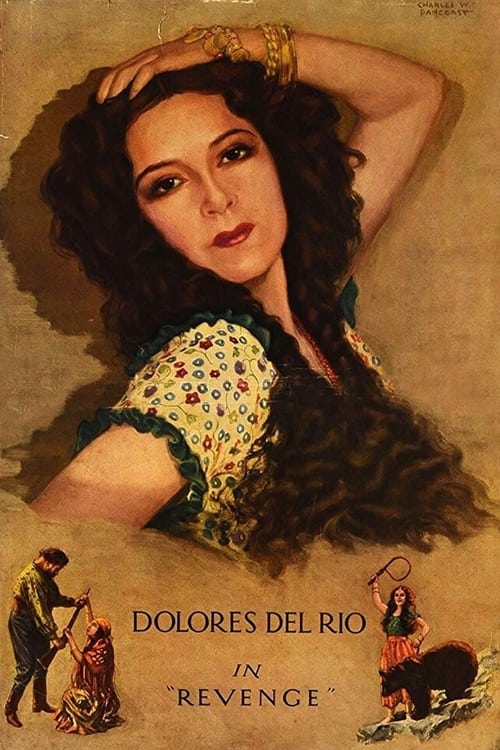
Revenge (1928) stands out as a silent era drama that highlights Romani customs and features an African American director, Edwin Carewe, in a prominent role. However, the film is constrained by the social norms of its time. It lacks LGBTQ+ representation and does not include characters with disabilities. While the female protagonist exhibits initiative, her motivations are rooted in traditional notions of honor. Overall, the film offers a moderate level of inclusion, blending ethnic specificity with the conventional social frameworks of the 1920s.
Category Breakdown
The film does not include any characters with LGBTQ+ identities or non-cisgender traits. It follows the traditional romantic and social structures of the late 1920s.
Rascha drives the plot through her quest for revenge after a personal violation. Although she shows initiative, her motivations are tied to traditional ideas of honor and disgrace.
The story centers around a Romani community and its unique social codes. Additionally, the film is directed by Edwin Carewe, an important African American filmmaker.
The narrative explores the interpersonal dynamics of honor and vengeance within a non-Western social structure. It focuses on personal justice without critiquing broader societal issues.
There are no characters with visible or invisible disabilities in this production.
Present on Screen
Limited or Absent
Official Synopsis
Rascha, the wild daughter of Costa, the Gypsy bear tamer, swears revenge on Jorga, her father's enemy, when he cuts off her braids (a sign of disgrace among the Gypsies).
1922
1925
1929
1924
1927
1920
1954
1928
No reviews yet. Be the first to share your thoughts on this movie!
Use the rating form above to leave a star rating and optional review.