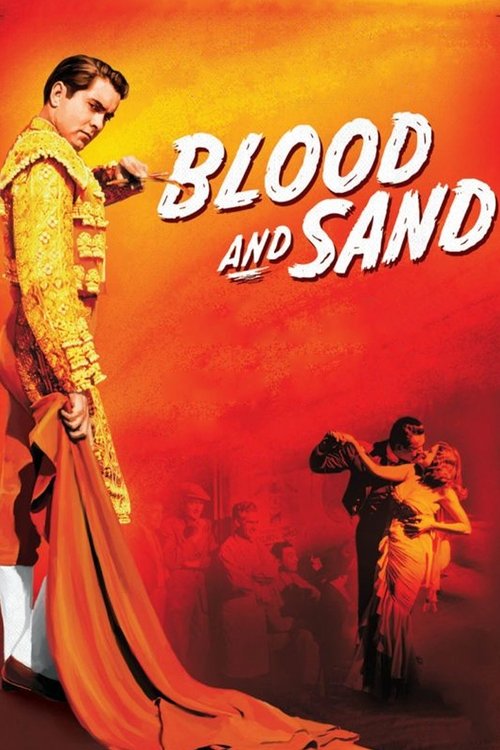
Blood and Sand
1941
No user ratings available yet
Representation score: 0.9 out of 10
Representation Score
Minimal
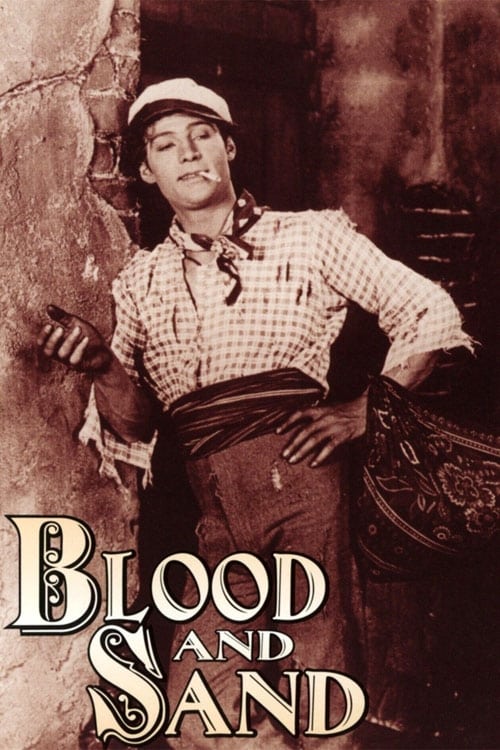
1922
NRDirector
Fred Niblo
Runtime
104 minutes
Average Rating
No ratings yetNew Showbiz Analysis
Blood and Sand is a classic silent-era melodrama that emphasizes the individual hero's journey. The narrative structure reinforces traditional masculine leadership and social hierarchies. The film lacks intentional subversion of traditional gender roles or racial diversity, maintaining a conservative profile. Its focus is on the consequences of passion rather than challenging systemic power structures. Overall, the work reflects the cultural norms of its time, adhering to the conventions of early 20th-century Hollywood.
Category Breakdown
The film centers on heterosexual relationships and does not depict same-sex intimacy or non-binary gender identities.
The story emphasizes traditional gender roles, where men have significant control and physical dominance. Women primarily serve as catalysts for the protagonist's emotional journey and social changes.
Set in Seville, the film features a predominantly white European cast, typical of 1922 Hollywood casting practices.
The storyline follows a traditional tragic arc rooted in conventional morality. It does not critique Western institutions or engage with secular or moral relativism.
No visible or invisible disabilities are shown. Characters are defined by physical strength or romantic archetypes, rather than neurodivergence or impairment.
Present on Screen
Limited or Absent
Official Synopsis
Juan is the son of a poor widow in Seville. Against his mother's wishes he pursues a career as toreador. He rapidly gains national prominence, and takes his childhood sweetheart Carmen as his bride. He meets the Marquis' daughter Doña Sol and finds himself in the awkward position of being in love with two women, which threatens the stability of his family and his position in society. He finds interesting parallels in the life of the infamous bandit Plumitas when they eventually meet by chance.
1941
1920

1989
1925
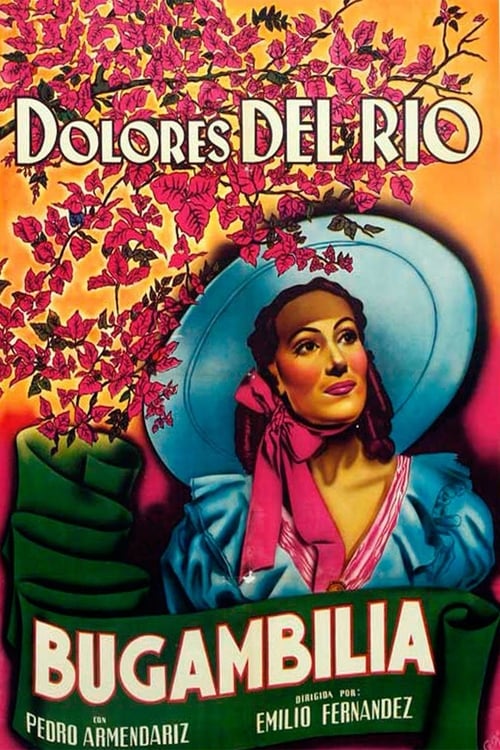
1945
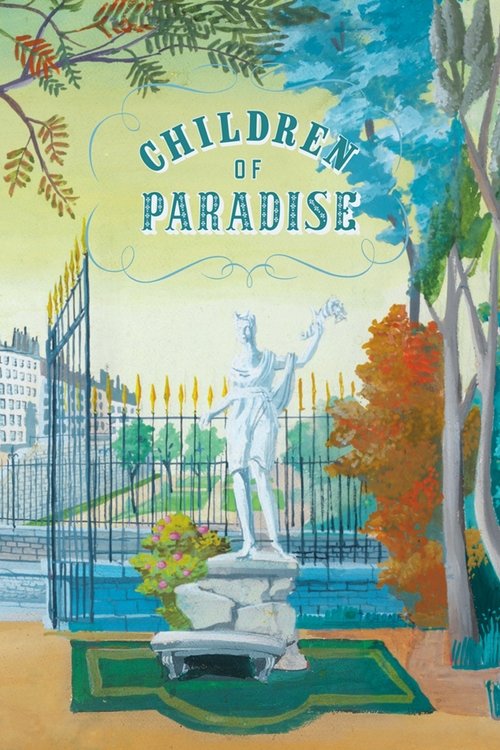
1945
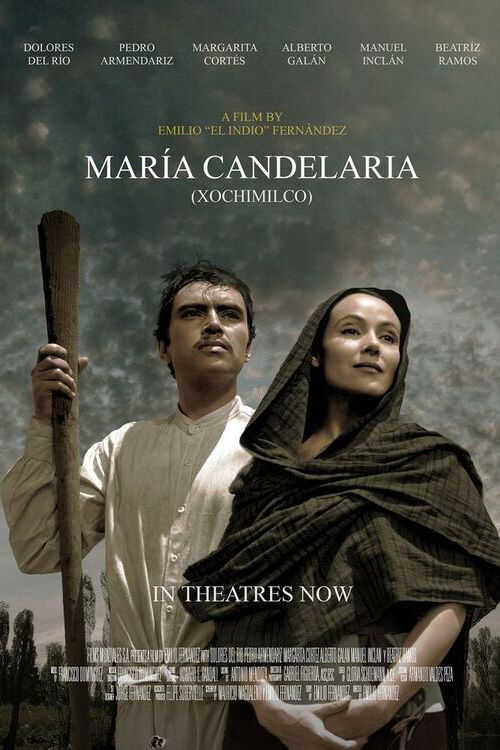
1944
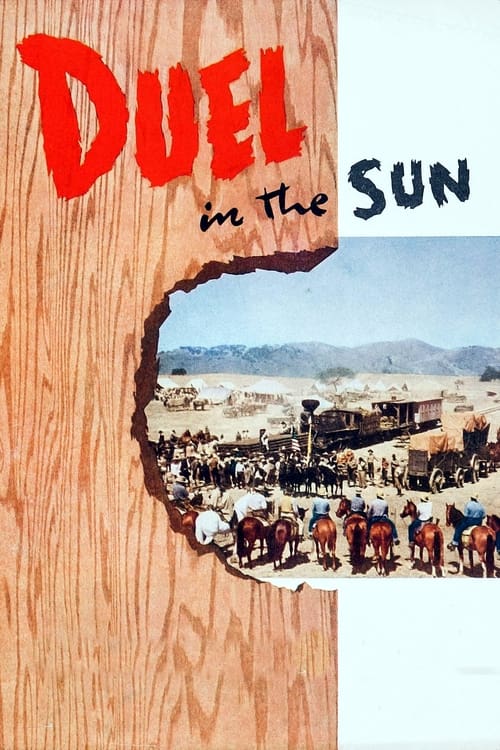
1946
No reviews yet. Be the first to share your thoughts on this movie!
Use the rating form above to leave a star rating and optional review.