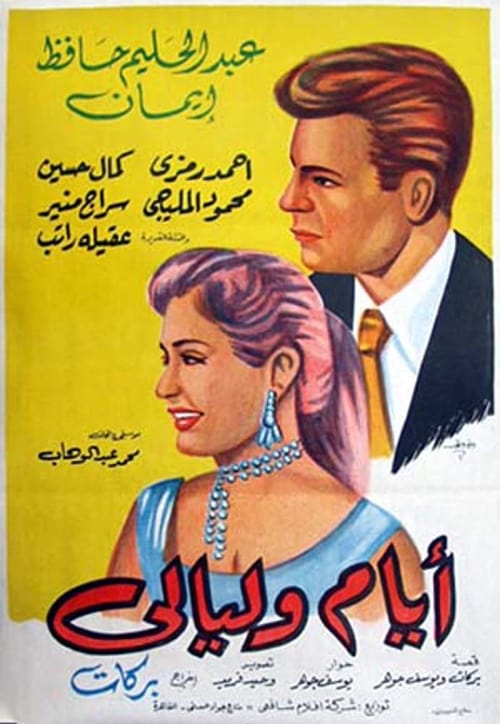
Days and Nights
1955
No user ratings available yet
Representation score: 3.3 out of 10

Representation Score
Limited
1959
Director
Henry Barakat
Runtime
123 minutes
Average Rating
No ratings yetNew Showbiz Analysis
The Nightingale's Prayer stands out for its sophisticated subversion of gender roles. By focusing on Amna's strategic pursuit of justice, the film elevates the female protagonist from a victim to a powerful force for change. While the film excels in character depth and gender empowerment, it remains confined by its period-specific social framework. The lack of LGBTQ+ representation and the homogeneous ethnic casting reflect the era's cinematic boundaries. Ultimately, the film's strength lies in its psychological complexity. It uses a regional Egyptian setting to critique systemic social cruelty and the restrictive nature of traditional patriarchal dominance.
Category Breakdown
The film follows a traditional mid-20th-century social framework and does not include any non-cisgender gender identities or same-sex relationships.
Amna challenges traditional gender roles by taking control of the plot through a strategic quest for revenge. She outsmarts male characters, showing her intellectual superiority.
The cast reflects a culturally homogeneous Upper Egyptian setting, providing an authentic representation of local identity rather than following Western-centric norms.
The story explores the tension between personal freedom and oppressive social structures like honor culture. It uses subjective morality to criticize rigid social systems.
There are no prominent depictions of physical or neurodivergent disabilities that play central roles in the plot or character development.
Present on Screen
Limited or Absent
Official Synopsis
This compelling tale of love and betrayal, set in the upper Egyptian countryside, follows the story of Amna as she plots her revenge on the engineer who destroyed her family's honor.
1955

1959

1954

1950

1970

1952
1957
1963
No reviews yet. Be the first to share your thoughts on this movie!
Use the rating form above to leave a star rating and optional review.