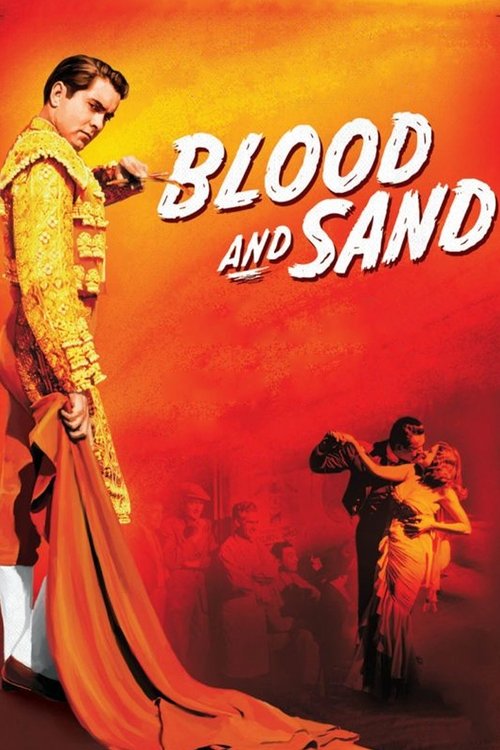
Blood and Sand
1941
No user ratings available yet
Representation score: 0.9 out of 10
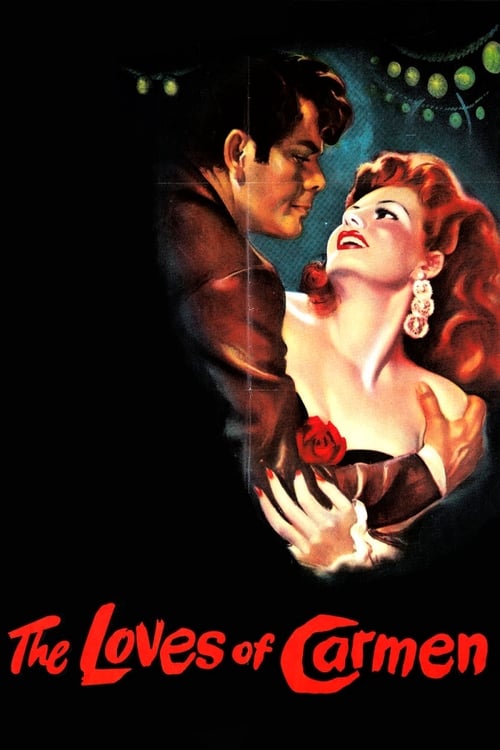
Representation Score
Limited
1948
ApprovedDirector
Charles Vidor
Runtime
99 minutes
Average Rating
No ratings yetNew Showbiz Analysis
The film serves as a transitional text that challenges standard gender hierarchies of the 1940s. Carmen’s insistence on autonomy provides a significant disruption to the era's typical romantic clichés. However, the work remains limited by the period's reliance on exoticized archetypes. The portrayal of Romani culture lacks nuance, favoring established Hollywood clichés over a deep exploration of ethnic identity. Ultimately, while the film offers a strong subversion of masculine authority, it lacks modern multi-layered depth and fails to include any LGBTQ+ or disability representation.
Category Breakdown
The film focuses solely on heterosexual relationships and does not include any queer subtext or non-cisgender identities in its character arcs.
Carmen challenges mid-century gender hierarchies by asserting complete autonomy over the male protagonist. Her refusal to submit to patriarchal control drives the film's central tension and tragic outcome.
The story centers around Romani identity but relies on Hollywood exoticism. Casting a white actress in a Romani role reflects the era's tendency towards color-blind casting.
The narrative explores the tension between institutional authority and individual passion. It depicts the breakdown of military and social structures through the protagonist's abandonment of duty.
There are no visible or invisible disabilities that are central to the characters or the narrative development.
Present on Screen
Limited or Absent
Official Synopsis
Gypsy Carmen drives men wild in 1820s Spain, especially the dragoon Don Jose.
1941
1955
1908
1945
1945

1935
1954
1932
No reviews yet. Be the first to share your thoughts on this movie!
Use the rating form above to leave a star rating and optional review.