
Father of Four: And Uncle Sofus
1957
No user ratings available yet
Representation score: 0.3 out of 10
Representation Score
Minimal
1956
Director
Alice O'Fredericks
Runtime
95 minutes
Average Rating
No ratings yetNew Showbiz Analysis
Alice O'Fredericks' film is a classic example of mid-century traditionalist cinema. It reinforces established social, gender, and racial hierarchies rather than challenging them. The narrative centers on the affirmation of conventional family structures, providing comfort through its depiction of domestic stability and the father's role as the economic anchor. The film lacks the complexity and moral relativism found in more contemporary works.
Category Breakdown
The film does not include any characters or stories related to LGBTQ+ identities. It focuses solely on a traditional nuclear family structure.
Gender roles are strictly traditional, with the father serving as the main provider and decision-maker. Female characters are confined to conventional roles of domesticity and femininity.
The cast and setting are overwhelmingly white and Danish, with no visible inclusion of racial or ethnic diversity.
The narrative highlights mid-century Western values, emphasizing family cohesion and social stability. It does not critique Western institutions or systemic social structures.
There are no characters with visible or invisible disabilities in the film. The plot does not address neurodivergence or physical disability.
Present on Screen
Limited or Absent
Official Synopsis
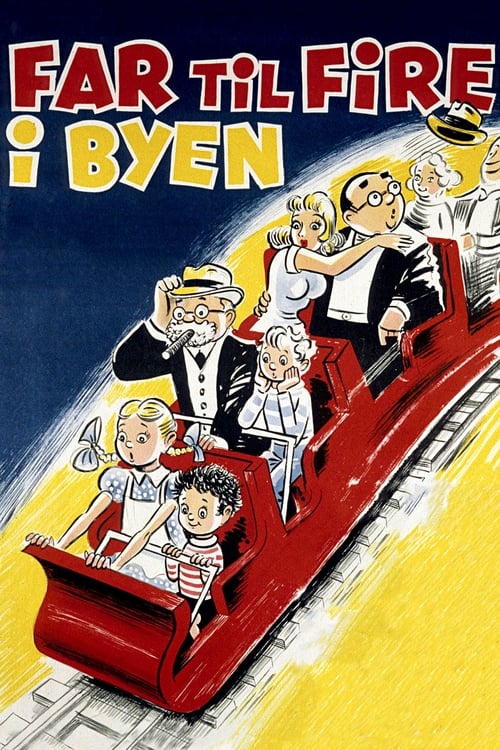
Lilleper is starting school, and on the last day of summer vacation, his father invites the whole family to a party at Tivoli. But then everything goes wrong. Per doesn't like school. Søs falls out with Peter, Mie is accused of theft, and his father is fired from his job and talks about selling the house. Everyone is looking forward to a sad Christmas, but maybe Lilleper will still go to the "Christmas Ball in Nisseland."
1957
1961
2005
1971
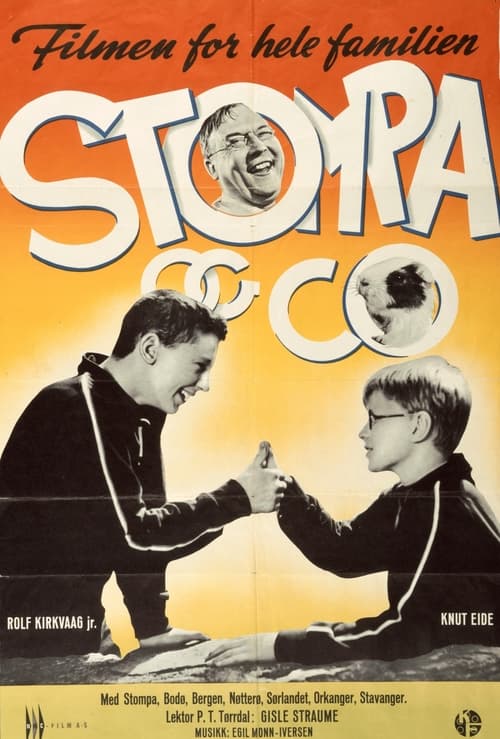
1962
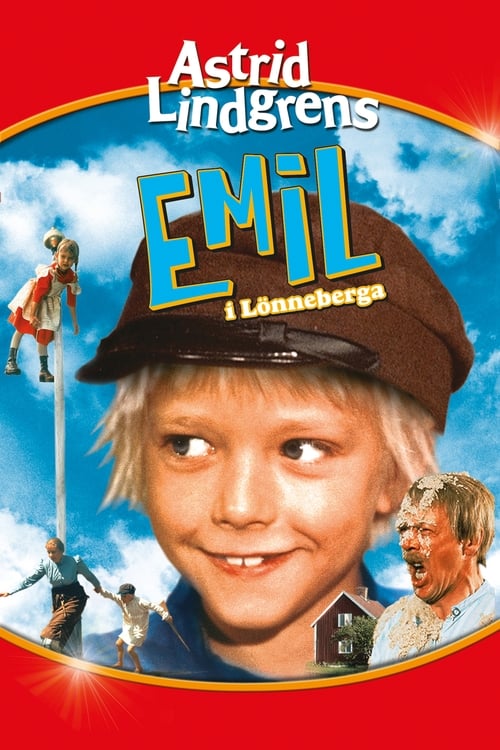
1971
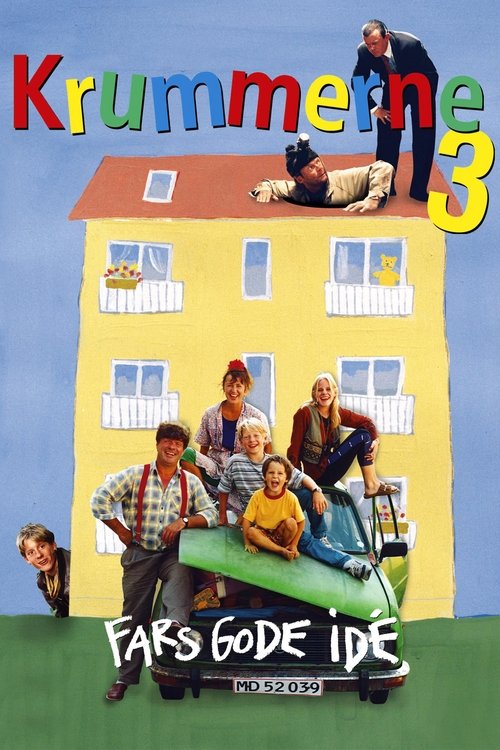
1994

1962
No reviews yet. Be the first to share your thoughts on this movie!
Use the rating form above to leave a star rating and optional review.