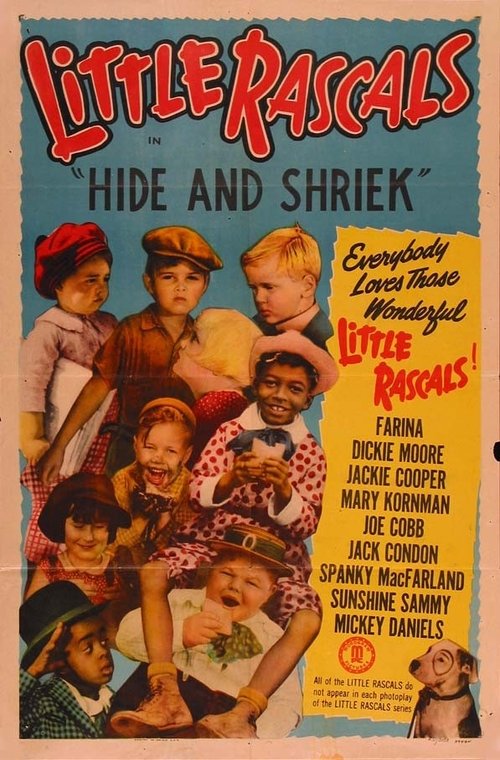
Hide and Shriek
1938
No user ratings available yet
Representation score: 1.8 out of 10
Representation Score
Minimal
1936
Director
Gordon Douglas
Runtime
10 minutes
Average Rating
No ratings yetNew Showbiz Analysis
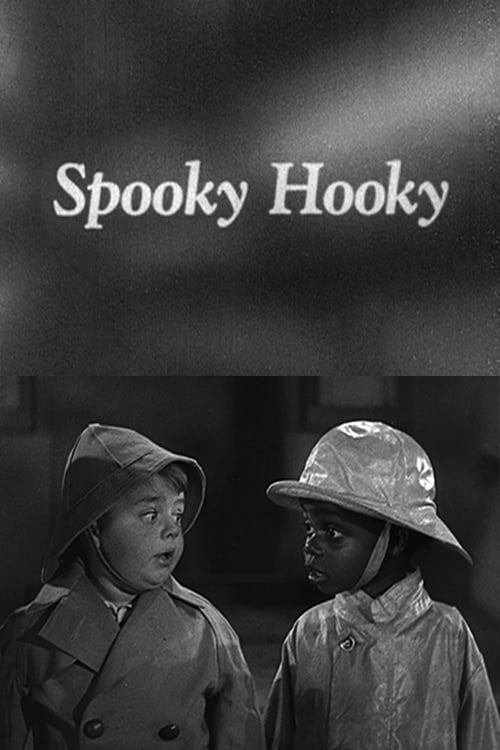
Spooky Hooky is a conventional family comedy from 1936 that relies on a situational misunderstanding involving school-aged children. The plot follows a traditional comedic cliché where a phony note leads to a circus-themed complication. The film reflects the standard studio system productions of its era, prioritizing established social hierarchies and conventional narrative structures. It lacks intentional representation of multiple aspects of identity or systemic critique. Because the film focuses on a homogeneous group of children navigating traditional authority, it offers very little in the way of modern diversity or cultural subversion.
Category Breakdown
The film does not include any LGBTQ+ characters or narratives. It seems to follow the strict assumption that everyone is straight or cisgender, which was common in 1936 cinema.
The story revolves around a group of children, but there is no clear indication of gender distribution. Female characters do not play a significant role in driving the story or challenging traditional hierarchies.
The film does not feature any diverse cast or non-Anglo-Saxon characters. It likely reflects the homogeneous casting typical of mid-century American comedies.
The plot centers on children navigating school authority and minor mischief. It aligns with conventional social structures and does not offer any progressive cultural perspectives.
There is no information available regarding the inclusion of characters with visible or invisible disabilities.
Present on Screen
Limited or Absent
Official Synopsis
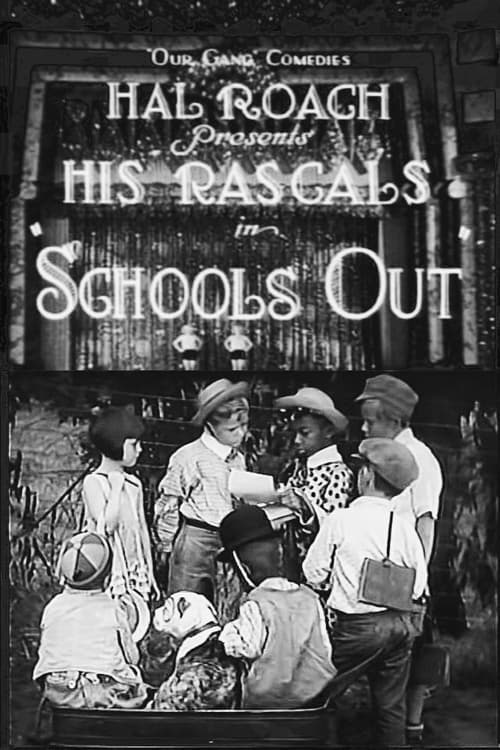
The gang puts a phony absent note on their teacher's desk so they can go to the circus, then have to get it back when they find out that the class was going on a field trip to the circus anyway.
1938
1933
1937
1933
1933
1932
1923
1930
No reviews yet. Be the first to share your thoughts on this movie!
Use the rating form above to leave a star rating and optional review.