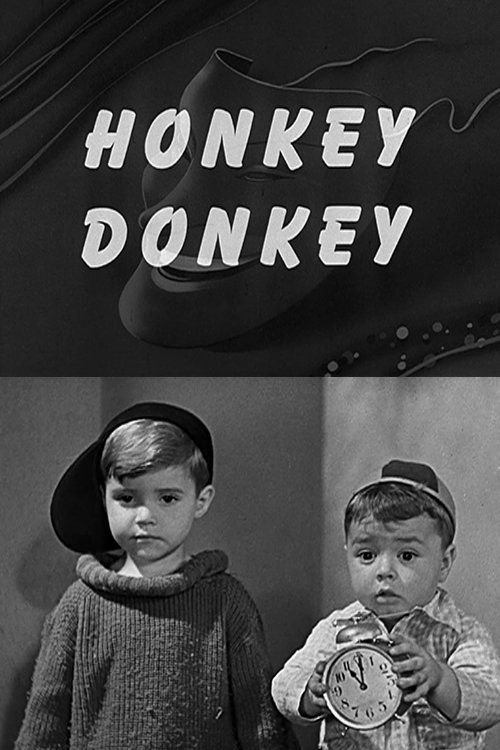
Honky Donkey
1934
No user ratings available yet
Representation score: 0.4 out of 10
Representation Score
Minimal
1934
NRDirector
James Parrott
Runtime
20 minutes
Average Rating
No ratings yetNew Showbiz Analysis
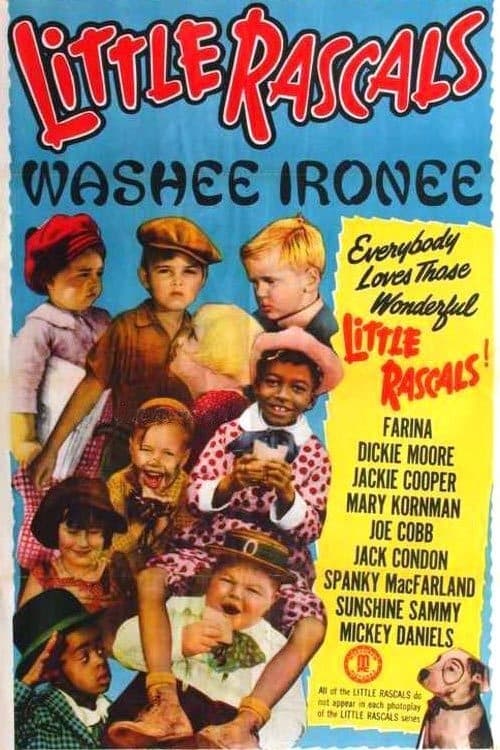
Washee Ironee is a conventional 1930s comedy that relies on class-based situational humor. The plot follows a wealthy boy navigating the tension between youthful play and high-society expectations. The film reinforces the social hierarchies of its time rather than challenging them. It functions as a standard period piece that prioritizes domestic mishaps over meaningful explorations of identity. Ultimately, the work adheres to the storytelling clichés of the early sound era, focusing on physical humor and the preservation of social decorum.
Category Breakdown
The film does not include any characters with non-straight identities or same-sex relationships. The story stays within a traditional family and social framework.
The story focuses on a male protagonist and his friends. Female characters, such as the mother, mainly serve to enforce social norms rather than acting independently.
The film centers on a wealthy boy and his friends, suggesting a homogeneous demographic typical of 1930s American cinema. There is no indication of a diverse cast.
The plot emphasizes Western social structures and the preservation of class status. It prioritizes maintaining social order over any critique of cultural norms.
There is no mention of characters with visible or invisible disabilities within the narrative.
Present on Screen
Limited or Absent
Official Synopsis
Rich boy Waldo gets his clothes dirty playing football with the gang just before he has to go to his mother's society party. The gang tries to help him clean up.
1934
1927
1933
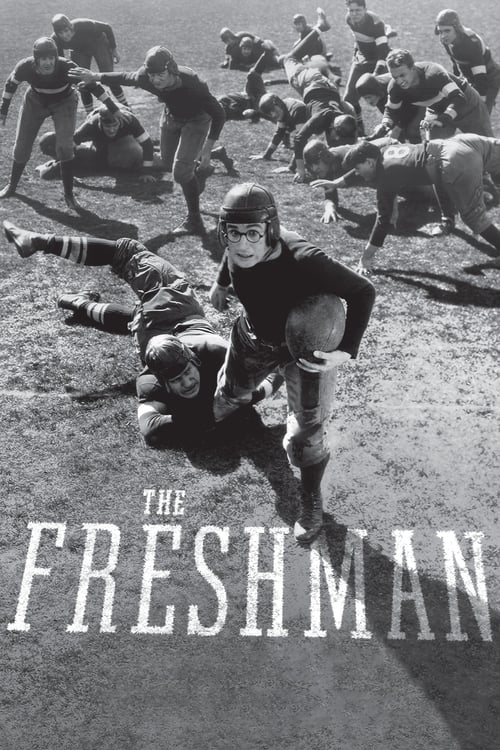
1925
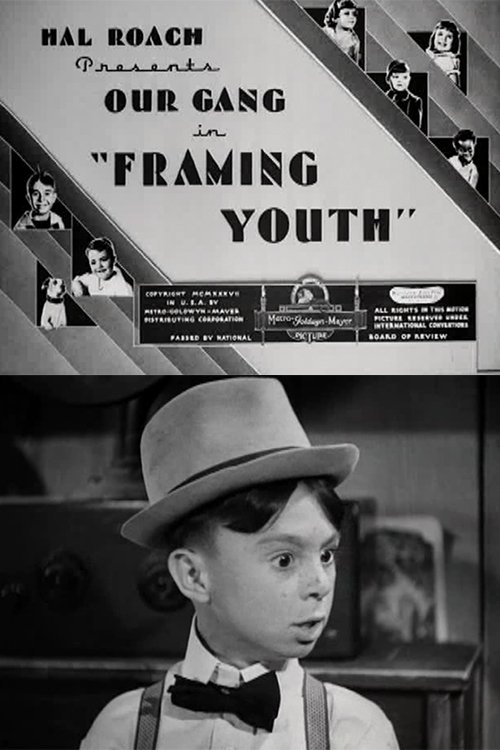
1937
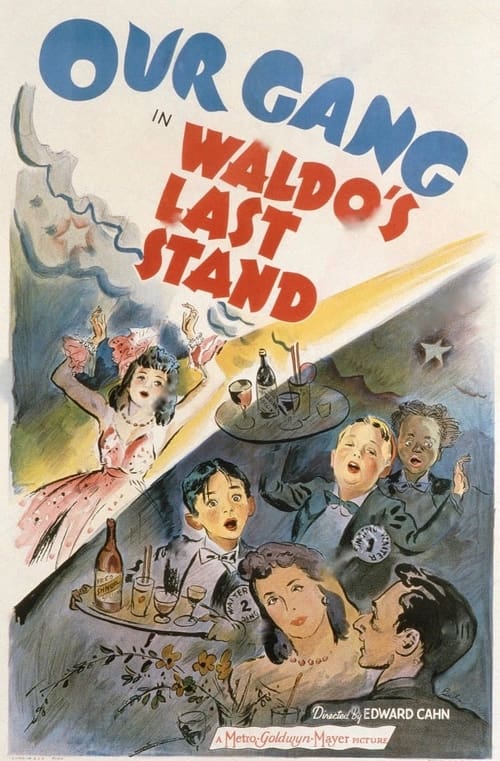
1940
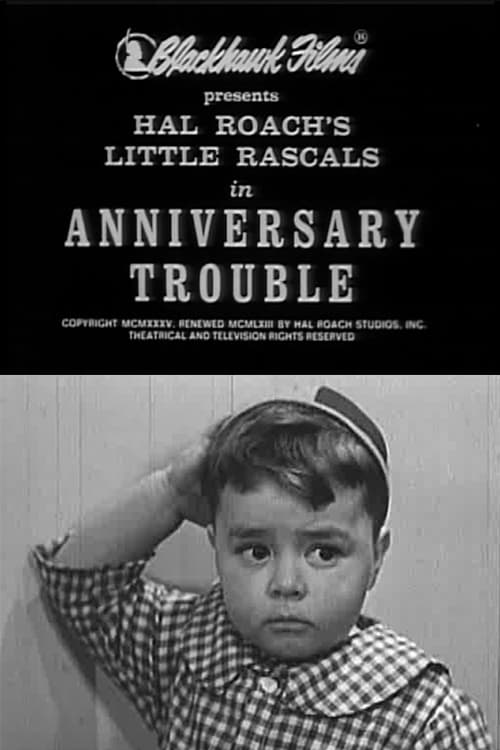
1935
1932
No reviews yet. Be the first to share your thoughts on this movie!
Use the rating form above to leave a star rating and optional review.