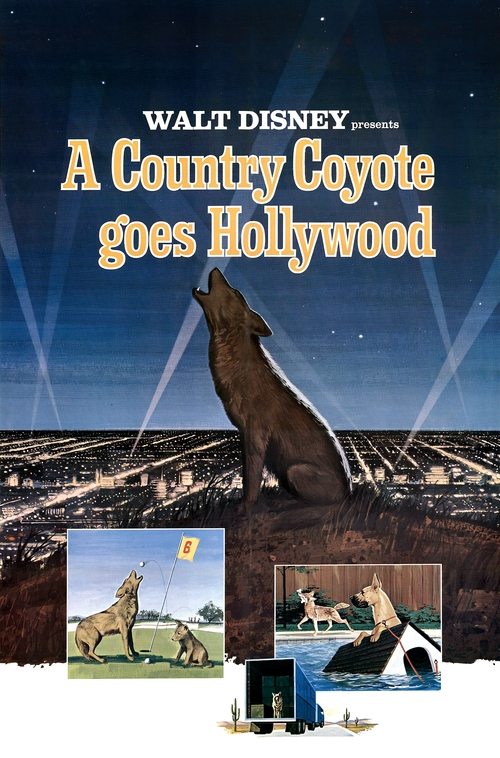
A Country Coyote Goes Hollywood
1965
No user ratings available yet
Representation score: 0.9 out of 10
Representation Score
Minimal
1971
Not RatedDirector
Richard Erdman
Runtime
51 minutes
Average Rating
No ratings yetNew Showbiz Analysis
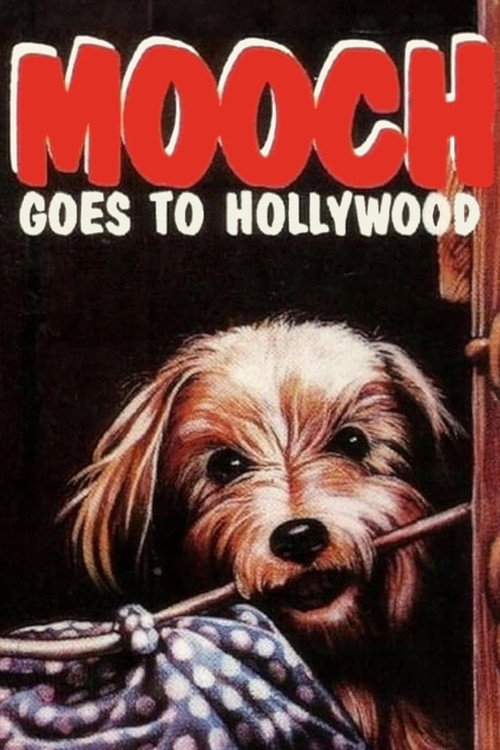
Mooch Goes to Hollywood is a conventional family comedy that relies heavily on genre clichés. It serves as a period-specific piece of entertainment that prioritizes commercial structures over social commentary. The film lacks the narrative complexity needed to engage with overlapping aspects of identity or disrupt traditional social hierarchies. Its focus remains narrow, centered on a canine protagonist and the pursuit of stardom. Ultimately, the production reflects the limited diversity and homogeneous casting standards common in low-budget filmmaking of its era.
Category Breakdown
The film does not include any characters with non-binary gender identities. It adheres to the conventional social norms and assumptions prevalent in the early 1970s.
Zsa Zsa Gabor's character stands out but her role seems to fit within traditional celebrity stereotypes. The story does not challenge traditional gender roles or masculinity.
The film features a cast that is predominantly white, reflecting the homogeneous standards typical of low-budget 1970s comedies. There is no indication of a multi-ethnic cast or diverse representation.
The story aligns with traditional Western ideals of fame and personal success. It operates within the established framework of the 'Hollywood Dream' without questioning Western institutions.
There is no mention of characters or animals with visible or invisible disabilities in the narrative.
Present on Screen
Limited or Absent
Official Synopsis
A dog tries to become a canine star with the help of Zsa Zsa Gabor.
1965
1966
1953
1992

2013

2013
1999
1932
No reviews yet. Be the first to share your thoughts on this movie!
Use the rating form above to leave a star rating and optional review.