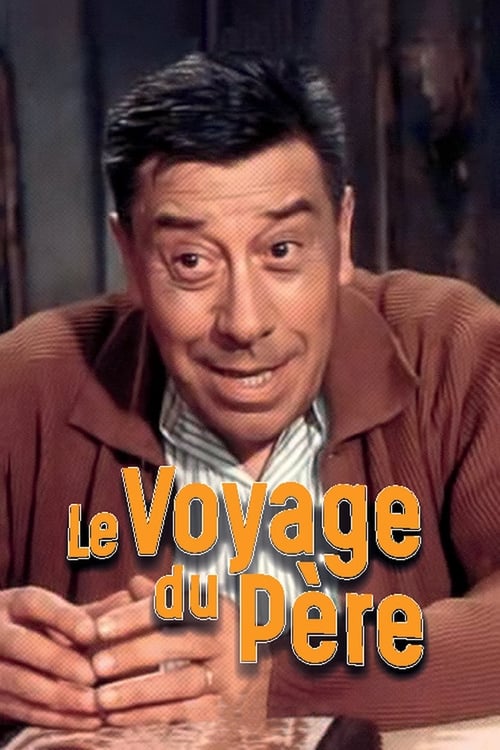
Father's Trip
1966
No user ratings available yet
Diversity score: 2.6 out of 10
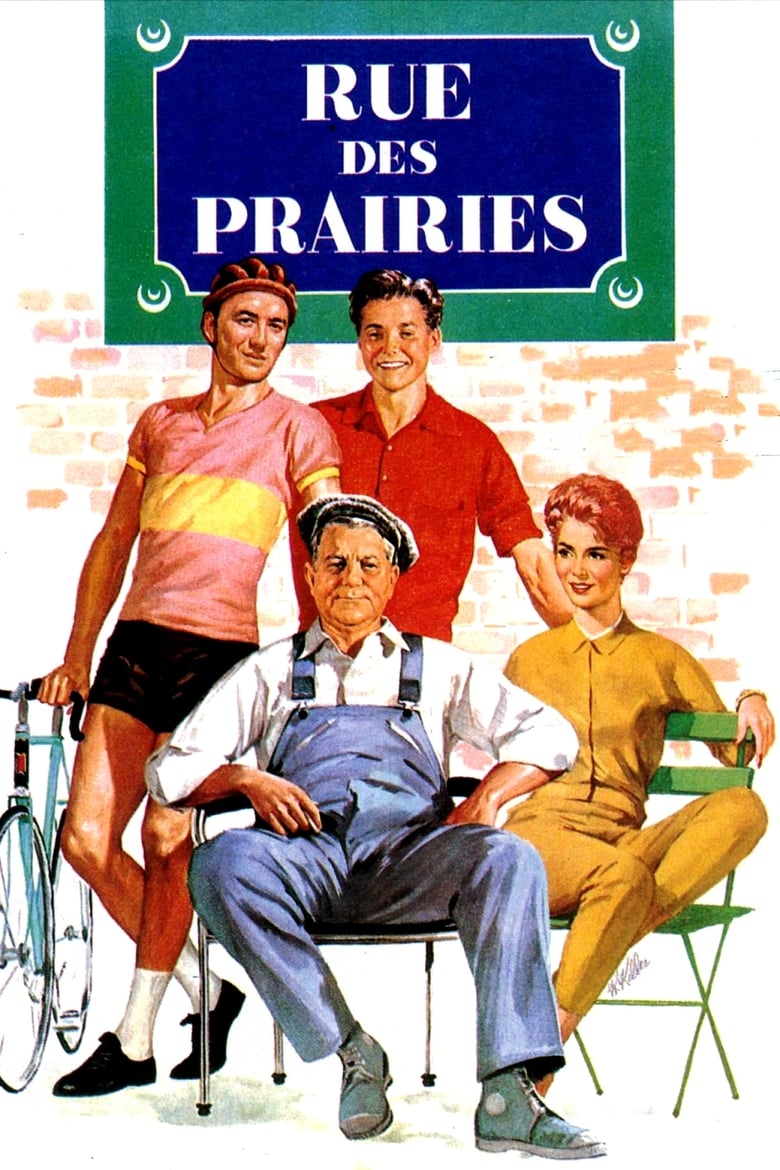
1959
Director
Denys de La Patellière
Runtime
90 minutes
Average Rating
No ratings yetSynopsis
Life in a one-parent family with a focus on the parent, Henri Neveu (Jean Gabin), is the topic of this standard drama with a dash of comedy. While Henri was a POW during the war, his wife passed away and he returned to face the challenges of bringing up three children alone. Henri may get drunk and angry at times but he also has a better side that will not stay buried. Since handling three children alone is no easy task, the single father has the choice of growing in the process or not.
Overall Score
Limited
Category Breakdown
LGBTQ+ Representation
The film lacks LGBTQ+ characters or narratives that challenge heteronormativity. The plot centers on a traditional nuclear family following the death of a matriarch.
Gender Representation
The story reinforces traditional gender roles by focusing on a male protagonist's struggle to lead a household. It emphasizes masculine responsibility over the subversion of gender hierarchies.
Racial & Ethnic Diversity
The narrative appears to focus on a homogeneous domestic setting. There is no indication of a multi-ethnic cast or diverse character dynamics driving the plot.
Religious & Cultural Diversity
The film aligns with mid-century Western values regarding family and social stability. It emphasizes the importance of the family unit and upholding social order.
Disability Representation
The protagonist's alcoholism and emotional instability are presented as character flaws or grief symptoms. There is no nuanced exploration of disability or neurodivergence.
Strengths
Areas for Improvement
AI Analysis
Rue de Paris is a conventional mid-century domestic drama that adheres strictly to the social norms of 1950s France. The narrative focuses on a widower's struggle to raise three children, prioritizing traditional family structures and stability. The film offers very little disruption to established social or identity-based norms. It functions as a character study of a man navigating grief and responsibility within a homogeneous, traditional framework. Ultimately, the film reflects the era's cinematic standards, emphasizing domesticity and social order rather than exploring diverse perspectives or systemic subversion.
1966
1970

1989
1934
1935
1949

1951

1984
2009

1973
1973

1965
No reviews yet. Be the first to share your thoughts on this movie!
Use the rating form above to leave a star rating and optional review.