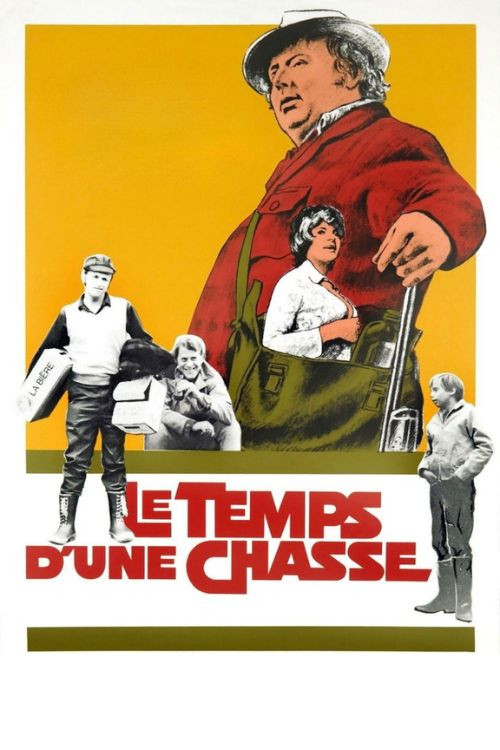
The Time of the Hunt
1972
No user ratings available yet
Diversity score: 2.6 out of 10
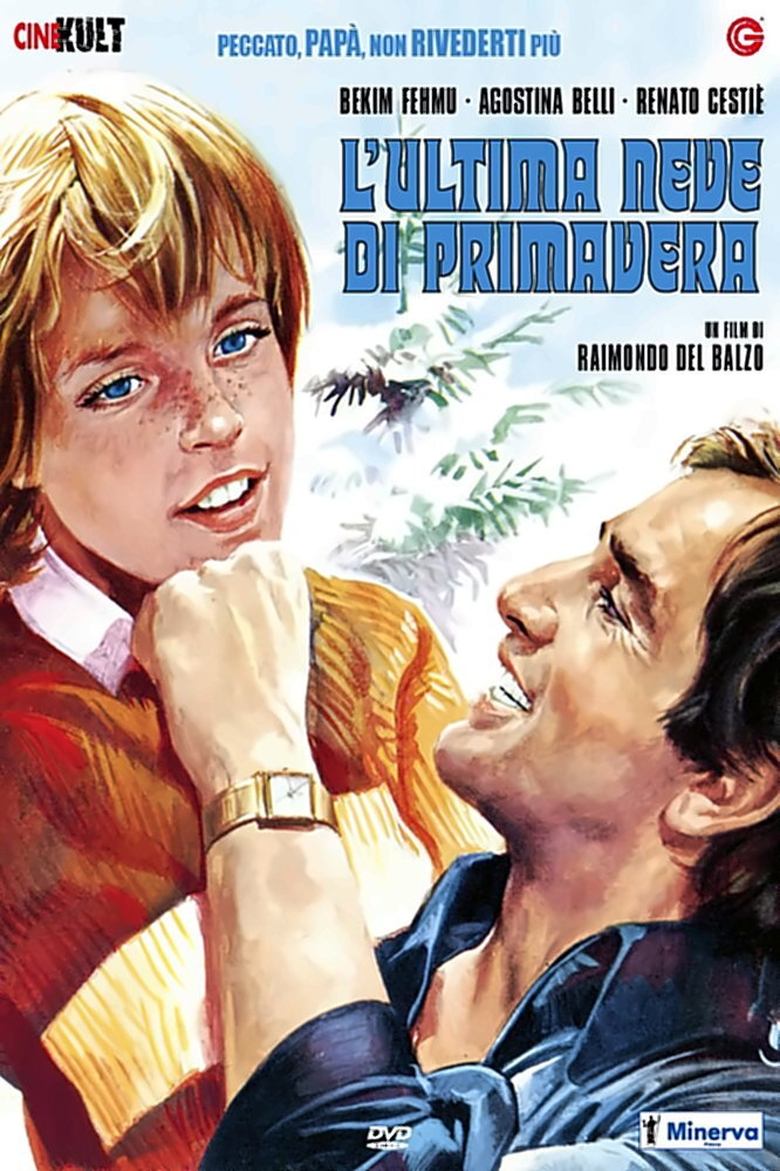
1973
Director
Raimondo Del Balzo
Runtime
95 minutes
Average Rating
No ratings yetSynopsis
A 10-year-old boy starts to die of neglect when his widowed father spends too much time forsaking his parental duties in favour of playboy activities and a jet-set life-style.
Overall Score
Limited
Category Breakdown
LGBTQ+ Representation
The film lacks any visible LGBTQ+ characters or non-cisnormative identities. The narrative focuses strictly on a traditional nuclear family structure involving a father and son.
Gender Representation
The story centers on a male-dominated domestic sphere. While it critiques masculine irresponsibility, the female presence is limited to a widowed mother used primarily as a plot device.
Racial & Ethnic Diversity
The film appears to adhere to traditional Western demographic norms. Given its 1973 Italian production and jet-set setting, it likely reflects a homogeneous, Eurocentric casting approach.
Religious & Cultural Diversity
The film critiques capitalist excess and the playboy lifestyle through a lens of traditional morality. It focuses on parental duty rather than a systemic deconstruction of Western institutions.
Disability Representation
There is no evidence of characters navigating physical, neurodivergent, or mental health disabilities within the narrative.
Strengths
Areas for Improvement
AI Analysis
The Last Snows of Spring functions as a conventional domestic drama that prioritizes traditional moral storytelling over progressive social exploration. While it subverts the archetype of the competent provider by showing a father's neglect, it does so to reinforce family values rather than challenge social hierarchies. The film's perspective is largely limited to a patriarchal framework. The narrative drive stems from the male lead's destructive autonomy, leaving little room for diverse identities or intersectional perspectives. Ultimately, the film reflects the era's tendency toward Eurocentric casting and traditional gender roles, offering a critique of lifestyle choices rather than a broader systemic analysis.
1972
1941

1974
1934
1939

1966

1959
1949
1951
1959

2004
1935
No reviews yet. Be the first to share your thoughts on this movie!
Use the rating form above to leave a star rating and optional review.