
Les beaux dimanches
1974
No user ratings available yet
Representation score: 4.1 out of 10
Representation Score
Minimal
1966
Director
Denys de La Patellière
Runtime
90 minutes
Average Rating
No ratings yetNew Showbiz Analysis
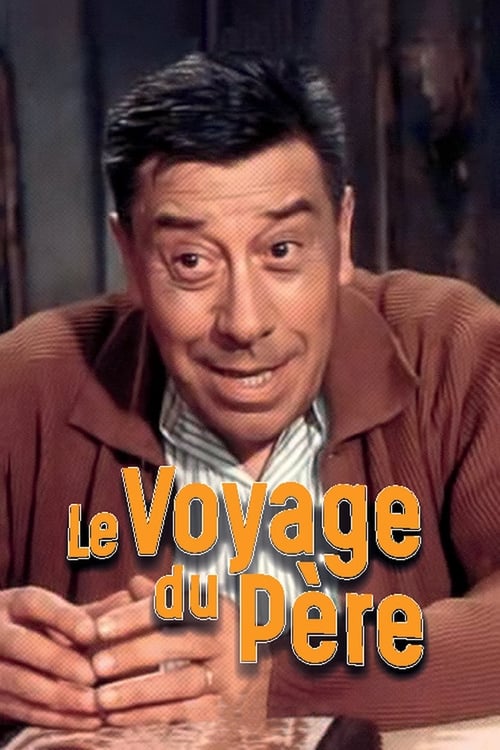
Father's Trip is a traditional domestic drama centered on the preservation of the nuclear family unit. The plot revolves around a father's efforts to reconcile familial bonds and assert his authority within a conventional social structure. The film adheres strictly to mid-20th-century social norms. It lacks complexity in addressing multiple aspects of identity, focusing instead on restoring established hierarchies and traditional family milestones. Ultimately, the work serves as a character study of paternal influence rather than challenging social or gendered expectations.
Category Breakdown
The film portrays a traditional family structure with a father, mother, and daughters. It does not include any non-conforming gender identities or critiques of traditional sexual orientations.
Gender roles in the film are traditional and hierarchical. The father drives the plot through his paternal influence, while the women are primarily defined by their supportive roles or personal charms.
The setting suggests a culturally homogeneous European environment. The narrative reflects the demographic norms of 1960s French cinema, centering on white, Western European populations.
The story emphasizes social stability and the preservation of the nuclear family. It prioritizes traditional milestones and the restoration of family hierarchy over any social critique.
The narrative does not feature characters navigating physical, neurodivergent, or mental health challenges.
Present on Screen
Limited or Absent
Official Synopsis
Determined to assert his paternal rights, Quentin leaves his small village on the Swiss border to go to Lyon to look for his daughter, now a hairdresser, who, busy with her work, hasn't been back to the village for two years. In a few days, it will be Denise's birthday, the youngest of his daughters, and, urged on by his wife, he sets off, determined to bring the prodigal son back to the family celebration. But Denise is now living off her charms.
1974

1970
1958
1965
1956

1979

1961
1963
No reviews yet. Be the first to share your thoughts on this movie!
Use the rating form above to leave a star rating and optional review.