Towards Evening
1990
No user ratings available yet
Representation score: 5.2 out of 10
Representation Score
Minimal
1973
Director
Ilya Averbakh
Runtime
94 minutes
Average Rating
No ratings yetNew Showbiz Analysis
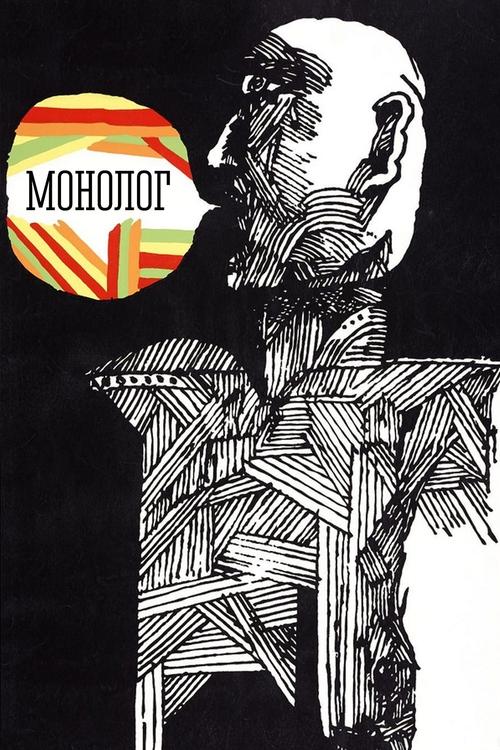
Monologue is a character-driven drama that delves into the psychological world of a lone academic. The narrative explores the tension between professional commitments and personal emotions. The film adheres to the social norms of its time, emphasizing traditional hierarchies and local cultural contexts. It serves as an intimate exploration of individual responsibility rather than a critique of broader societal structures. While the film provides a detailed look at the Soviet intelligentsia, it lacks a wider range of diverse experiences, focusing on a specific cultural reality.
Category Breakdown
The film follows a traditional storyline and does not include any characters with non-straight identities or relationships.
The story revolves around a male professor whose authority drives the plot. Female characters are mainly seen through their relationships to the professor.
The film reflects the predominantly Russian population of its 1973 setting. It does not feature a diverse cast or challenge ethnic stereotypes.
The film portrays the Soviet intelligentsia through a secular perspective, highlighting scientific pursuits and traditional family bonds.
There is no depiction of neurodivergence, physical disabilities, or mental health issues affecting the characters.
Present on Screen
Limited or Absent
Official Synopsis
Professor Sretenski is a scientist and director of a research center in Russia. He is separated from his wife and lives alone. His daughter, who lives with the mother, comes to his home and stays with him for a period, leaving her daughter with him. He raises his granddaughter, feeling a great affection for her.
1990
1961
1961
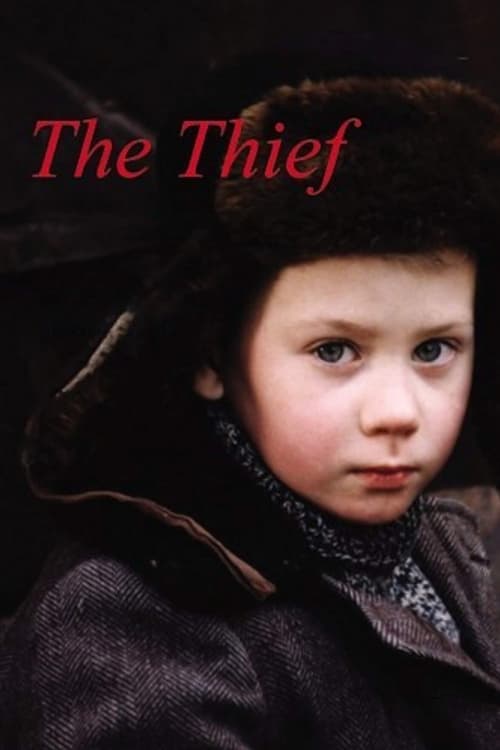
1997

1965
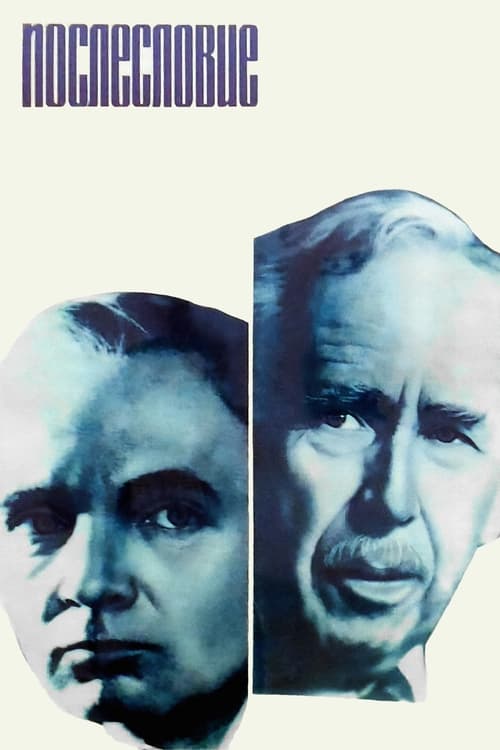
1983
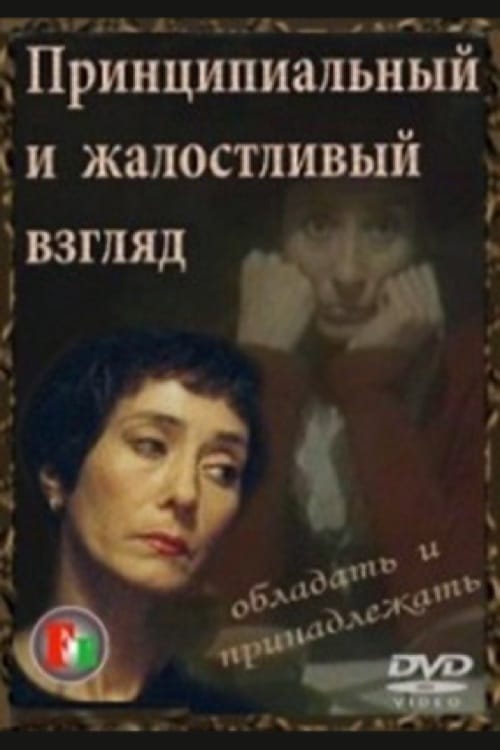
1996
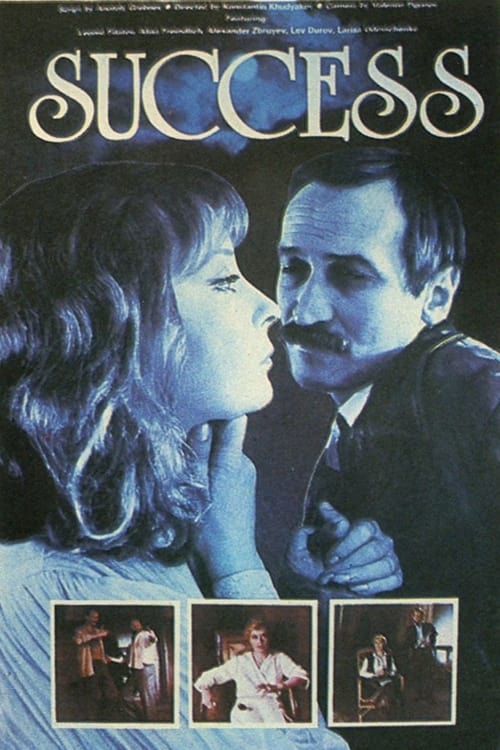
1984
No reviews yet. Be the first to share your thoughts on this movie!
Use the rating form above to leave a star rating and optional review.