
Private Property
2006
No user ratings available yet
Representation score: 7.2 out of 10
Representation Score
Limited
2009
Not RatedDirector
Mia Hansen-Løve
Runtime
111 minutes
Average Rating
No ratings yetNew Showbiz Analysis
Mia Hansen-Løve’s drama is a quiet, character-centric study that prioritizes emotional authenticity over social commentary. It functions as a naturalistic exploration of loss within a specific social class, resulting in a lack of diverse representation. The film maintains a framework centered around straight relationships and a homogeneous demographic. By focusing on the internal landscapes of a Parisian intellectual family, it avoids challenging systemic power dynamics or representing multi-layered identities. Ultimately, the work is a traditional humanistic drama. It excels in its psychological realism but falls short in disrupting demographic norms or representing underrepresented groups.
Category Breakdown
The film focuses on a traditional nuclear family structure. There is no representation of LGBTQ+ identities or same-sex relationships among the main characters.
The narrative provides a balanced look at gendered experiences. It avoids the 'competent patriarch' stereotype by highlighting the protagonist's vulnerability and showing how grief impacts both parents differently.
The story centers on the Parisian intellectual middle class. The cast is predominantly white, reflecting the specific socioeconomic context of the setting.
The film follows a secular, naturalistic approach. It focuses on the fragility of the family unit and individual psychological trauma without engaging in religious or systemic critiques.
There are no prominent depictions of physical or neurodivergent disabilities. The film explores the psychological impact of grief through a lens of naturalistic mourning.
Present on Screen
Limited or Absent
Official Synopsis
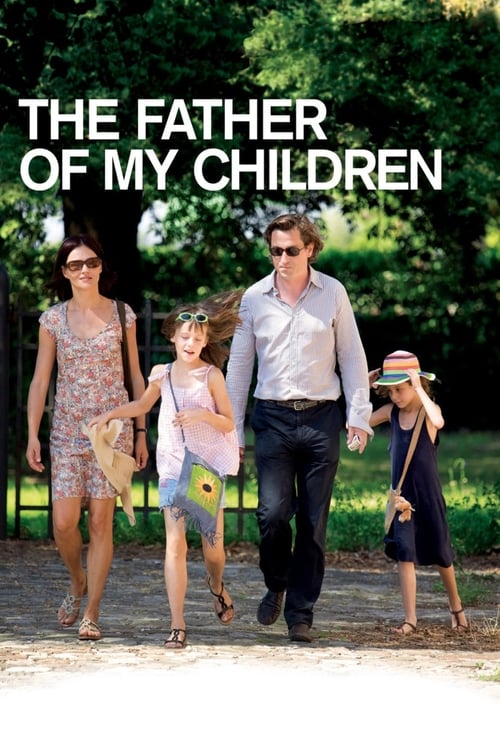
Grégoire Canvel has everything a man could want. A wife he loves, three delightful children, and a stimulating job. He's a film producer. Discovering talented filmmakers and developing films that fit his conception of the cinema-free and true to life-is precisely his reason for living. Yet his prestigious production company, Moon Films, is on its last legs.
2006

2008

2020

1996
2003

2016
2022

2010
No reviews yet. Be the first to share your thoughts on this movie!
Use the rating form above to leave a star rating and optional review.