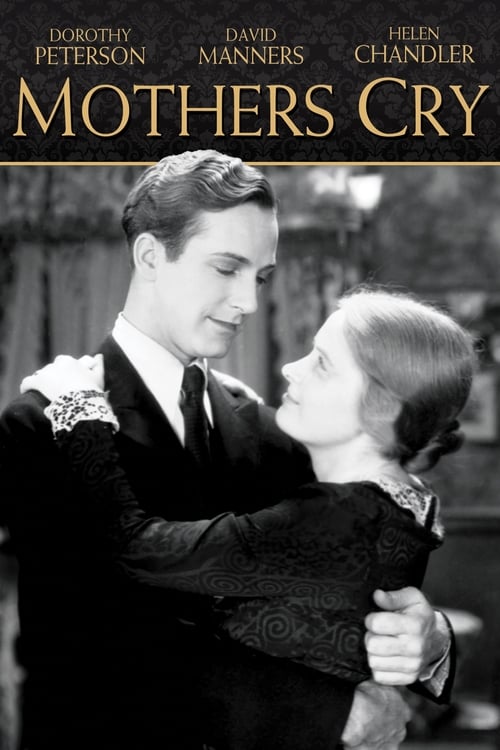
Mothers Cry
1930
No user ratings available yet
Diversity score: 2.2 out of 10
1935
ApprovedDirector
Lambert Hillyer
Runtime
57 minutes
Average Rating
No ratings yetSynopsis
After his divorced wife dies, Jim Burke takes their son who she had been raising and he hasn't seen in many years. Jim Burke is a tough, hard-nosed construction boss on engineering projects, and he is looking forward to molding Little Jim into his own image. Jim Burke is more than a little bit dismayed and a whole lot disgusted when Little Jim arrives and it doesn't take Big Jim long to figure out that Little Jim...ain't nothing but a sissy. Little Jim is fond of practicing on his violin and reading and studying. What's a poor father to do?
Overall Score
Minimal
Category Breakdown
LGBTQ+ Representation
The film uses the character of Little Jim to establish a dichotomy between traditional masculinity and non-conforming behavior. His interests in music and reading are framed as 'sissy' traits, serving as a cautionary trope rather than an exploration of identity.
Gender Representation
The narrative reinforces patriarchal hierarchies through the character of Big Jim, a hard-nosed construction boss. Female agency is entirely absent, as the only woman in the story is a deceased catalyst used to drive the plot.
Racial & Ethnic Diversity
The story centers on a homogeneous domestic unit with no evidence of racial or ethnic diversity. It reflects the era's tendency to depict Anglo-Saxon family structures as the default social norm.
Religious & Cultural Diversity
The film adheres to traditional Western values regarding paternal authority and social conformity. It prioritizes the molding of a child to fit societal expectations rather than celebrating individual expression.
Disability Representation
There is no documented evidence of characters with physical or neurodivergent disabilities portrayed in this film.
Strengths
Areas for Improvement
AI Analysis
The film functions as a period-typical drama that reinforces conventional social hierarchies. It relies on the subversion of 'soft' traits in children to highlight the perceived strength of traditional masculine leadership. By framing gender non-conformity as a source of domestic disgust, the narrative upholds the status quo of the 1930s. The story lacks meaningful representation of diverse identities, focusing instead on the restoration of a rigid patriarchal order. Ultimately, the work serves to validate traditional masculine archetypes through the lens of a father attempting to mold his son.
1930
1941
1927
1959
1936
1935
1939
1939
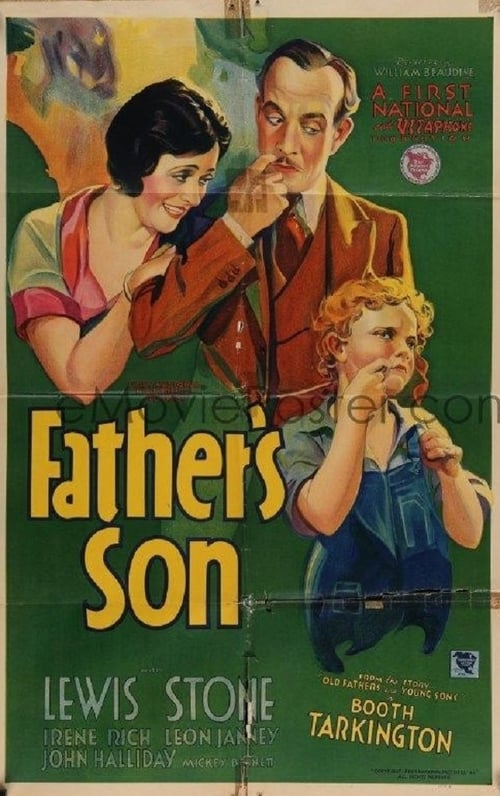
1931

1973
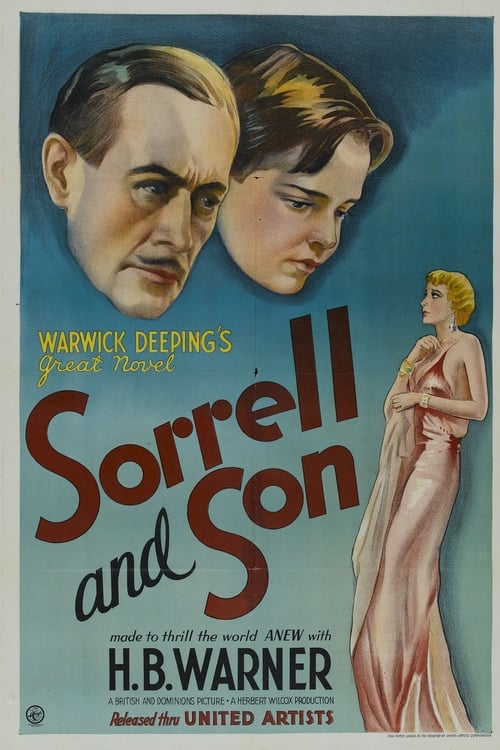
1934
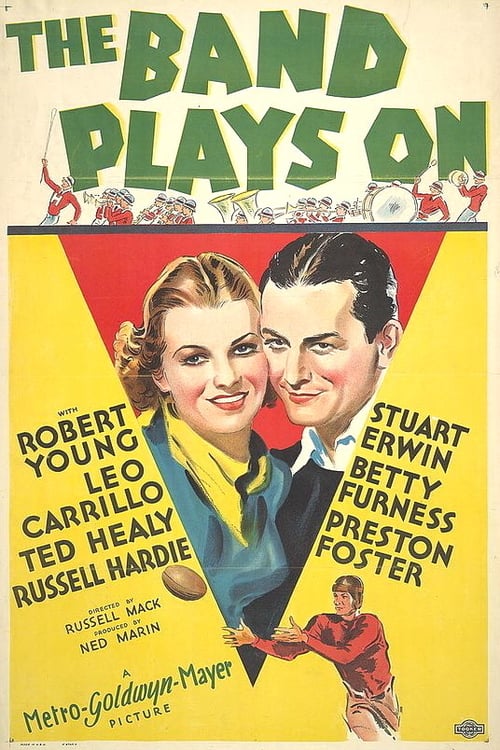
1934
No reviews yet. Be the first to share your thoughts on this movie!
Use the rating form above to leave a star rating and optional review.