A Woman in White
1965
No user ratings available yet
Representation score: 4.5 out of 10
Representation Score
Fair
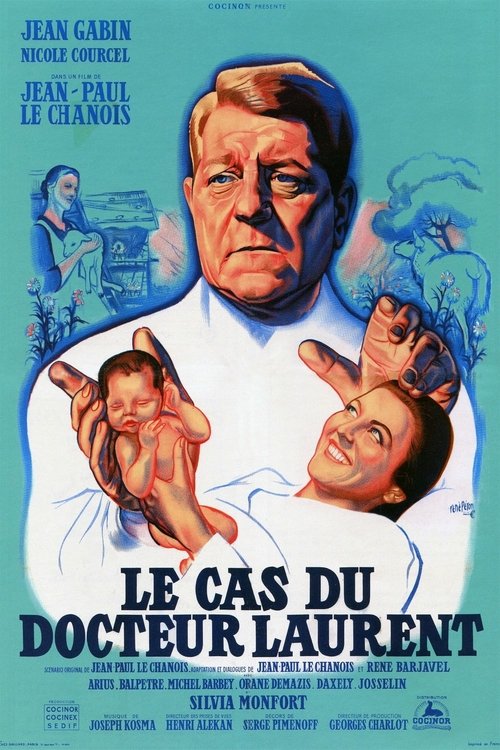
1957
Director
Jean-Paul Le Chanois
Runtime
110 minutes
Average Rating
No ratings yetNew Showbiz Analysis
The film functions as a piece of social realism that challenges the rigid hierarchies of mid-century provincial France. It uses the archetype of the medical outsider to disrupt established communal norms and religious-adjacent social mores. While the work lacks modern markers of diversity like racial or LGBTQ+ identities, it finds strength in its critique of social stigma. By centering on the medical realities of womanhood, it pushes against the era's restrictive expectations. Ultimately, the narrative frames the pursuit of scientific knowledge as a necessary disruption to the 'stone walls of fear' maintained by traditionalist institutions.
Category Breakdown
The film does not include any explicit LGBTQ+ characters or non-straight relationships. The narrative focuses on the biological and social implications of childbirth.
The story challenges traditional gender hierarchies by prioritizing women's ability to drive the story and their bodily autonomy. Nicole Courcel’s role as an unwed mother subverts typical portrayals of submissive femininity.
Set in a rural French community, the film features a relatively homogeneous cast. There is no evidence of significant racial or ethnic diversity.
The film critiques provincialism by framing traditional communal values as obstacles to progress. It prioritizes scientific reasoning over the oppressive social mores of a closed society.
There is no evidence within the provided context to suggest the presence of characters with physical or neurodivergent disabilities.
Present on Screen
Limited or Absent
Official Synopsis
A Paris-based doctor tries to spread the gospel of Natural Childbirth. Working in a cloistered rural community, Gabin runs up against the stone walls of fear and prejudice. His theories are proven sound when unwed mother Nicole Courcel gives birth within Gabin's methodology. The childbirth sequence is filmed straight-on with a delicate combination of taste and frankness. Nonetheless, the lurid ad campaign of Cas Du Dr. Laurent sensationalized this sequence all out of proportion.
1965
1965
1956

2011
1952
2024
1917
2004
No reviews yet. Be the first to share your thoughts on this movie!
Use the rating form above to leave a star rating and optional review.