
The Daughter of Emanuelle
1975
No user ratings available yet
Diversity score: 4.0 out of 10
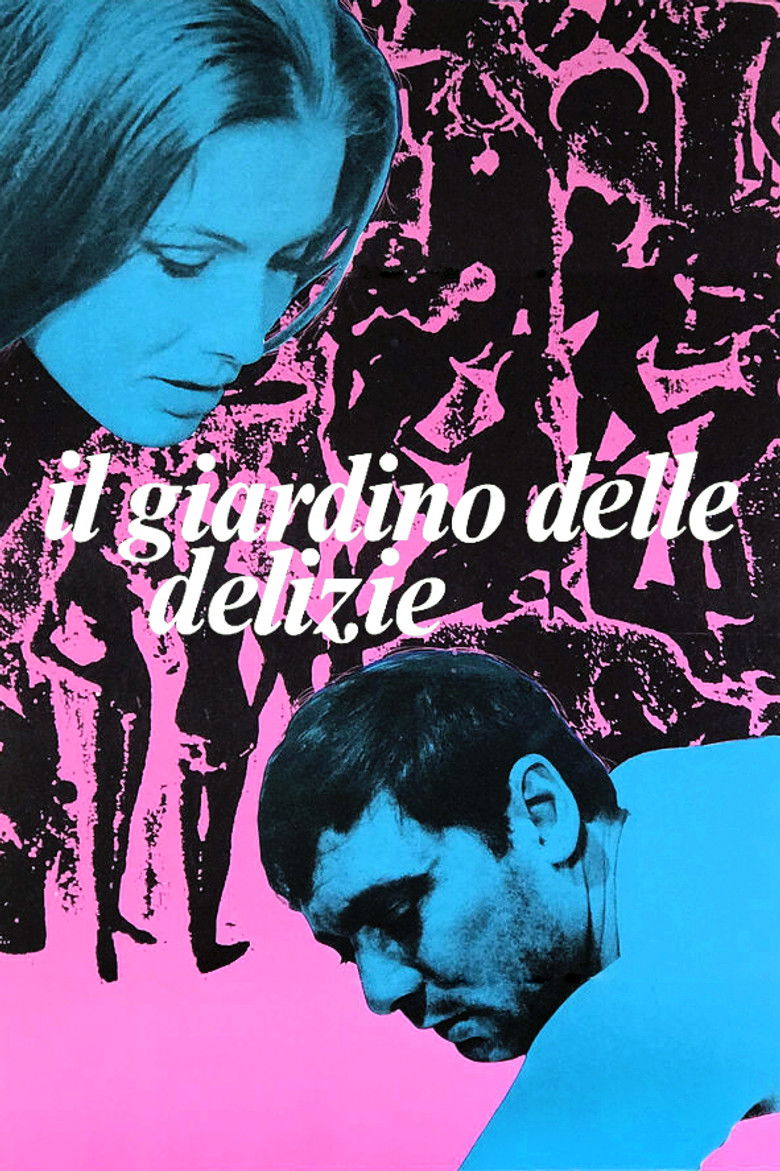
1967
Director
Silvano Agosti
Runtime
72 minutes
Average Rating
No ratings yetSynopsis
Charlo and Carla are on their honeymoon. She is three months pregnant. He, furious about his marriage of convenience, recalls the past and ponders on The Garden of Earthly Delights by Hieronymus Bosch, dear to the Surrealists. While she is bleeding, he spends the night with a beautiful stranger...
Overall Score
Fair
Category Breakdown
LGBTQ+ Representation
The film lacks explicit depictions of LGBTQ+ identities. While the protagonist's infidelity and the disruption of monogamous norms hint at sexual fluidity, no non-heteronormative relationships are confirmed.
Gender Representation
The narrative subverts traditional domestic hierarchies by portraying masculinity as fractured and impulsive. Charlo's emotional volatility contrasts with Carla's physical vulnerability during her pregnancy.
Racial & Ethnic Diversity
There is no evidence of a multi-ethnic cast. The film appears to follow the homogeneous, Western-centric casting standards typical of 1960s Italian cinema.
Religious & Cultural Diversity
The film challenges the sanctity of the nuclear family through themes of infidelity and moral relativism. Boschian surrealism is used to prioritize subjective, dream-like morality over religious dogma.
Disability Representation
No characters with visible or invisible disabilities are documented in the narrative.
Strengths
Areas for Improvement
AI Analysis
Garden of Delights functions as a surrealist critique of mid-century social structures rather than a vehicle for identity-driven representation. It succeeds in deconstructing the stability of marriage and traditional masculinity through psychological unrest and symbolic abstraction. However, the film remains limited by the era's casting norms, showing a lack of racial and ethnic diversity. It lacks explicit LGBTQ+ narratives, focusing instead on the breakdown of conventional monogamy. Ultimately, the work is a study of human impulse and systemic disillusionment, using art-house aesthetics to challenge social institutions rather than to promote intersectional visibility.
1975
1991

1981

1968
1975

1978

1975
1963

1993
1993
1961
1969
No reviews yet. Be the first to share your thoughts on this movie!
Use the rating form above to leave a star rating and optional review.