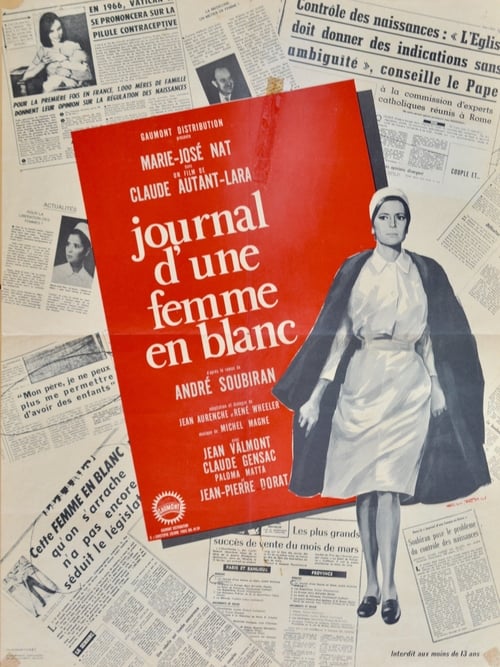
A Woman in White
1965
No user ratings available yet
Representation score: 4.5 out of 10
Representation Score
Fair
1955
Director
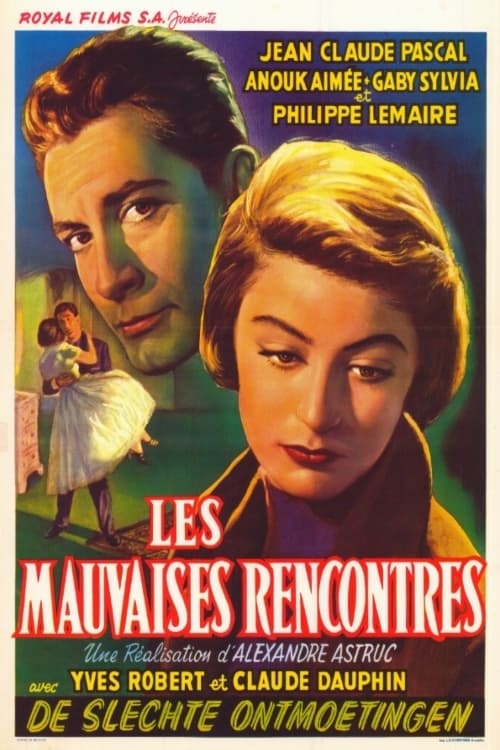
Alexandre Astruc
Runtime
84 minutes
Average Rating
No ratings yetNew Showbiz Analysis
Bad Liaisons stands out as a social drama that challenges mid-century norms through its focus on female professional autonomy. By centering on a journalist who values her career over romance, the film offers a nuanced look at gender roles. However, the film is limited by the demographic homogeneity typical of 1955 French cinema. The lack of visible racial diversity and explicit LGBTQ+ representation prevents a higher cumulative score. Ultimately, the film's strength lies in its critique of medical and legal institutions regarding reproductive rights and the scrutiny of non-conformist women.
Category Breakdown
The film doesn't include explicit stories about LGBTQ+ characters or same-sex relationships. However, the focus on illegal medical procedures hints at a world where underrepresented communities face challenges.
Catherine Racan challenges traditional roles by focusing on her career rather than domestic life. Her portrayal as a professional woman who navigates reproductive choices breaks away from the submissive stereotypes of mid-century women.
The film seems to mirror the demographic makeup of its time, showing no significant mix of races or a diverse cast of non-Anglo-Saxon actors.
The story criticizes traditional institutions by highlighting illegal abortions. It emphasizes secular, individual values over religious and state-imposed laws.
There is no mention of characters with physical or neurological differences in the film.
Present on Screen
Limited or Absent
Official Synopsis
Catherine Racan, a young journalist who always puts her career over her love life, is brought in by the police for questioning. They are looking for a doctor who illegally performs abortions and now they are interrogating all of his previous clients.
1965
1964
1951
1945
1956
1980
2006
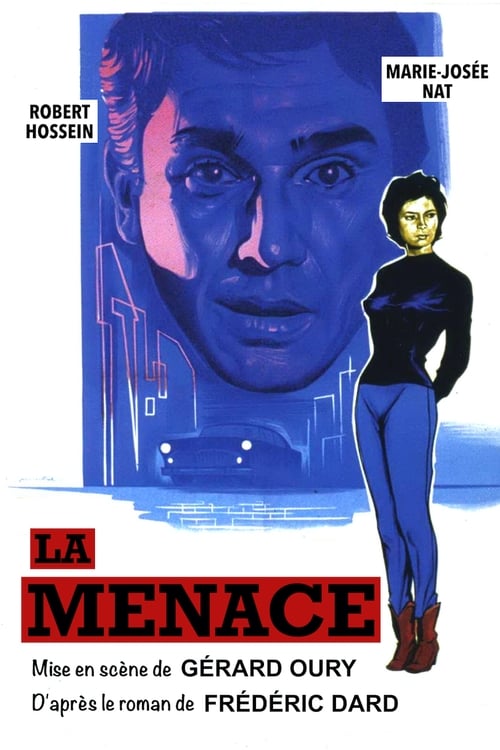
1961
No reviews yet. Be the first to share your thoughts on this movie!
Use the rating form above to leave a star rating and optional review.