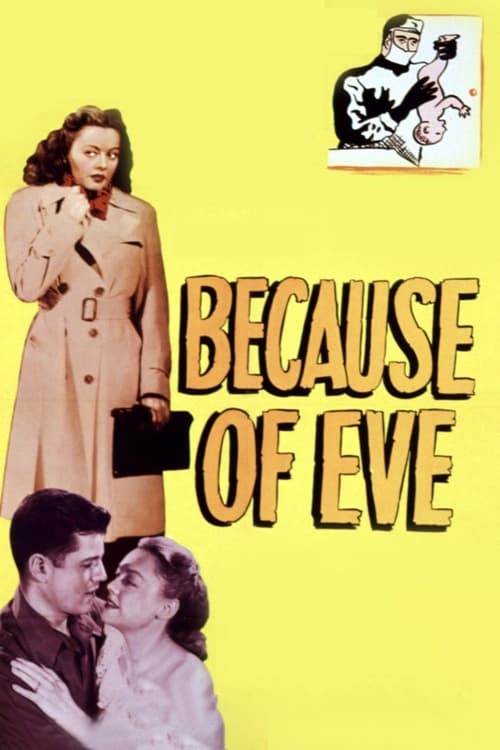
Because of Eve
1948
No user ratings available yet
Representation score: 1.4 out of 10
Representation Score
Limited
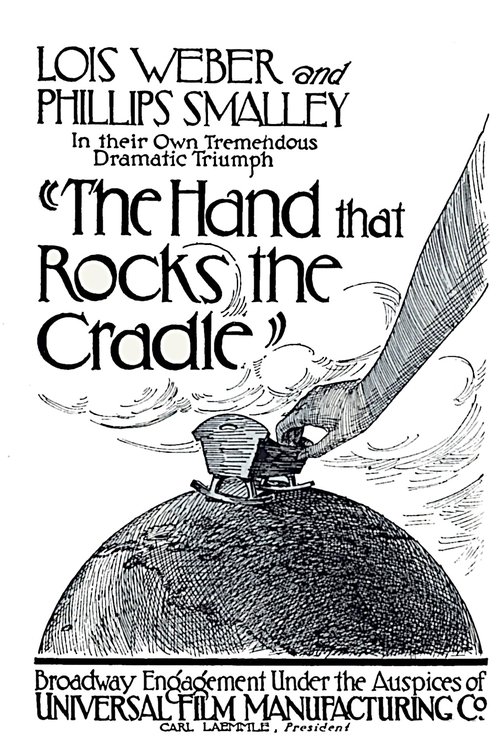
1917
PassedDirector
Lois Weber, Phillips Smalley
Runtime
60 minutes
Average Rating
No ratings yetNew Showbiz Analysis
Lois Weber’s film serves as a provocative historical text that uses melodrama to explore the tension between individual autonomy and institutional authority. While the production is limited by the era's lack of racial and LGBTQ+ diversity, it remains progressive in its thematic intent. The film's strength lies in its gendered narrative structure. By centering a woman's struggle for reproductive education, it challenges the era's restrictive social structures and patriarchal hierarchies. Ultimately, the work functions as a critique of systemic oppression, positioning the protagonist as a driver of social discourse rather than a passive subject.
Category Breakdown
The film does not depict any characters with non-traditional gender identities or sexual orientations. It stays within conventional domestic and marital frameworks.
A female protagonist exercises significant influence by advocating for reproductive rights. She defies patriarchal control, providing a nuanced challenge to submissive feminine stereotypes.
The film features a homogeneous cast with no evidence of non-white actors. This reflects the typical casting practices of 1917 cinema.
The narrative criticizes restrictive religious and state-imposed moralities. It emphasizes individual ability to act and secular social reform over institutional ideals.
There is no documented evidence of characters with physical or neurodivergent disabilities within the story.
Present on Screen
Limited or Absent
Official Synopsis
A doctor's wife is arrested for educating impoverished women about birth control.
1948
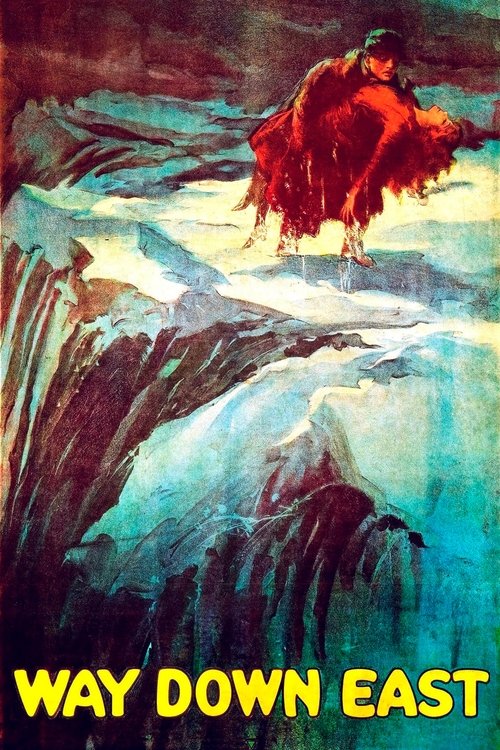
1920

1918

1929
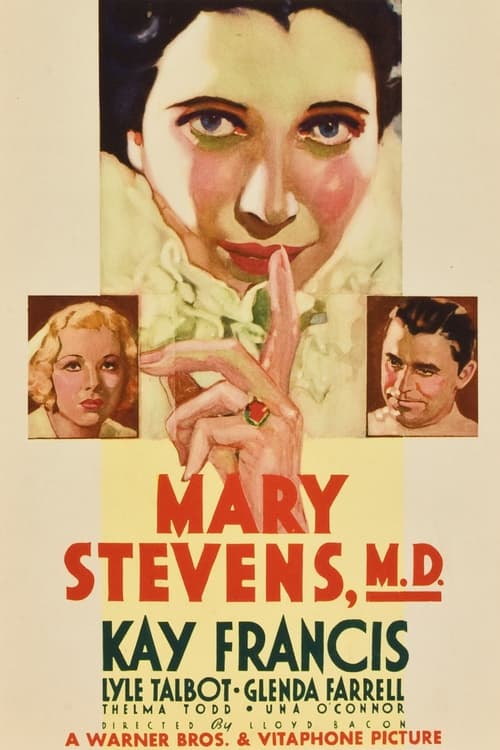
1933

1920

1918

1956
No reviews yet. Be the first to share your thoughts on this movie!
Use the rating form above to leave a star rating and optional review.